Share This Article
FANTASY BOYS and Doha just deepened PocketDol's crisis
FANTASY BOYS and BAE173 member Doha have won injunctions suspending their PocketDol Studio contracts, widening one of K-pop's biggest agency disputes.
April 22, 2026
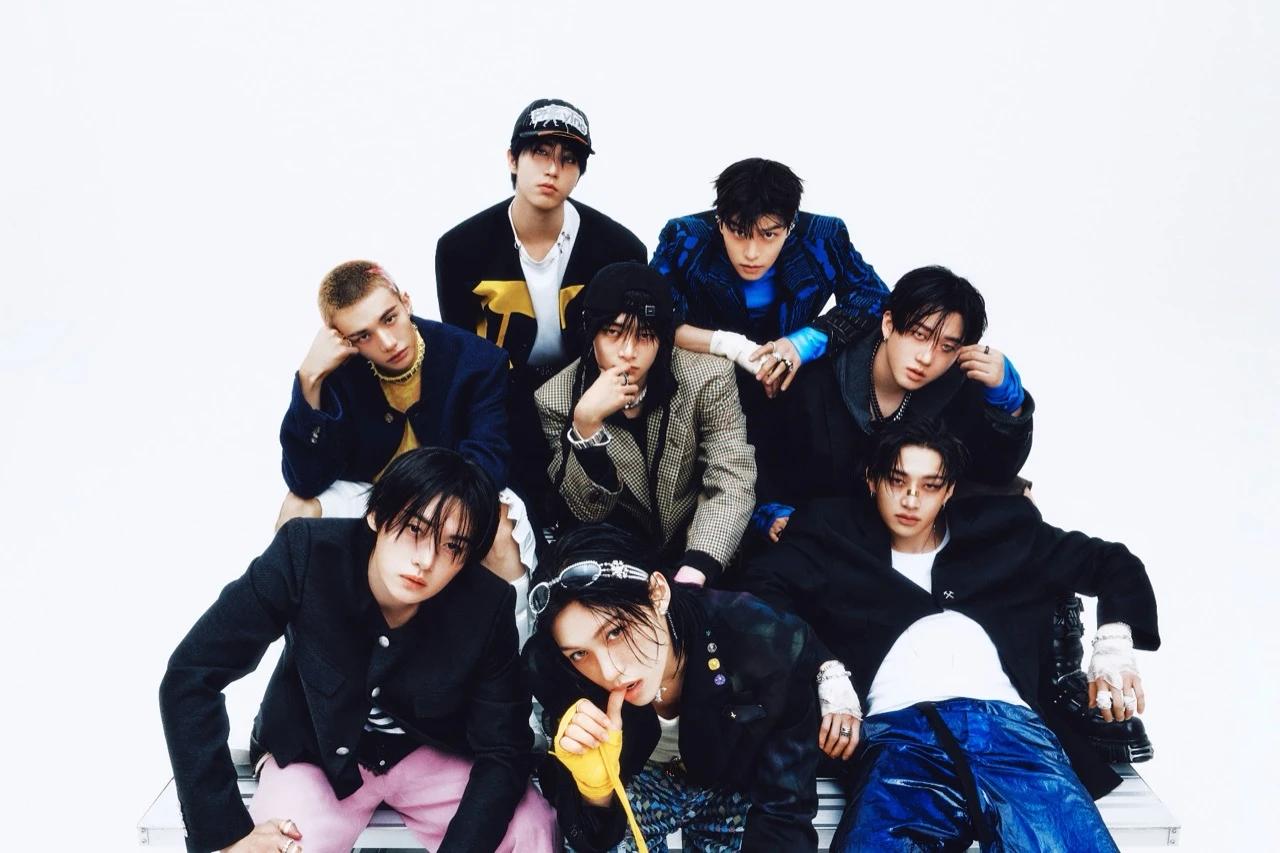
FANTASY BOYS and BAE173 member Doha have now won court-backed injunctions suspending their exclusive contracts with PocketDol Studio, a ruling that now puts one of K-pop's messiest agency disputes under even brighter light. According to Soompi's April 21 report, the six FANTASY BOYS members named in the case are Kang Minseo, Lee Hanbin, Hikaru, Hong Sungmin, Kim Gyurae, and Kaedan, while Doha won a separate injunction against the same company. The legal core is blunt: the court pointed to thin settlement detail and missing supporting documents as a breakdown of trust, and that matters because contract transparency is not side drama in K-pop. It is the whole business model. When judges start saying the paperwork itself is not credible enough, the agency story stops being messy gossip and starts looking like structural failure. That is why this ruling lands as a business warning, not just a fandom flashpoint. It also raises a harder question about how many more artists will challenge the same paperwork if settlement records and supporting documents keep falling short under court review. The pattern already echoes another major agency breakdown we tracked earlier this year, which makes PocketDol's crisis look less like a one-off scandal and more like a structural warning.
The timeline makes the PocketDol Studio crisis look wider, not smaller. According to the same Soompi report, Doha and the six FANTASY BOYS members first filed in November 2025 seeking confirmation that their exclusive contracts did not exist and injunctions suspending their validity. The court granted the six FANTASY BOYS members relief on April 16, then confirmed on April 21 that Doha won his injunction too. CBS NoCut News reported that Doha's ruling also bars PocketDol Studio from interfering with his entertainment activities or restricting deals with third parties, which is a serious practical shift, not a symbolic one. If you have been tracking PocketDol for a while, this is the point where a label dispute starts reading like an agency stability problem. One group conflict can be explained away. Parallel wins across two acts under the same company are much harder to brush off as isolated friction.
The court's reasoning cuts straight to accounting and artist rights
Seoul Central District Court's reasoning centered on whether PocketDol Studio provided transparent settlement data, and that is where the company lost ground. According to CBS NoCut News, the court found that Doha had requested settlement materials in September 2025 and that the agency's failure to provide them broke the trust needed to sustain an exclusive contract. The court also said forcing an entertainer to keep working under that kind of broken relationship could excessively infringe on personal rights and freedom of occupation. That is a sharper finding than the usual fan-level reading of a contract case. It frames transparent revenue accounting as a core duty, not clerical busywork. In a sector where idols routinely sign away years of leverage early, that distinction lands hard. It also gives other artists a clearer legal standard to point to when settlement data goes missing.
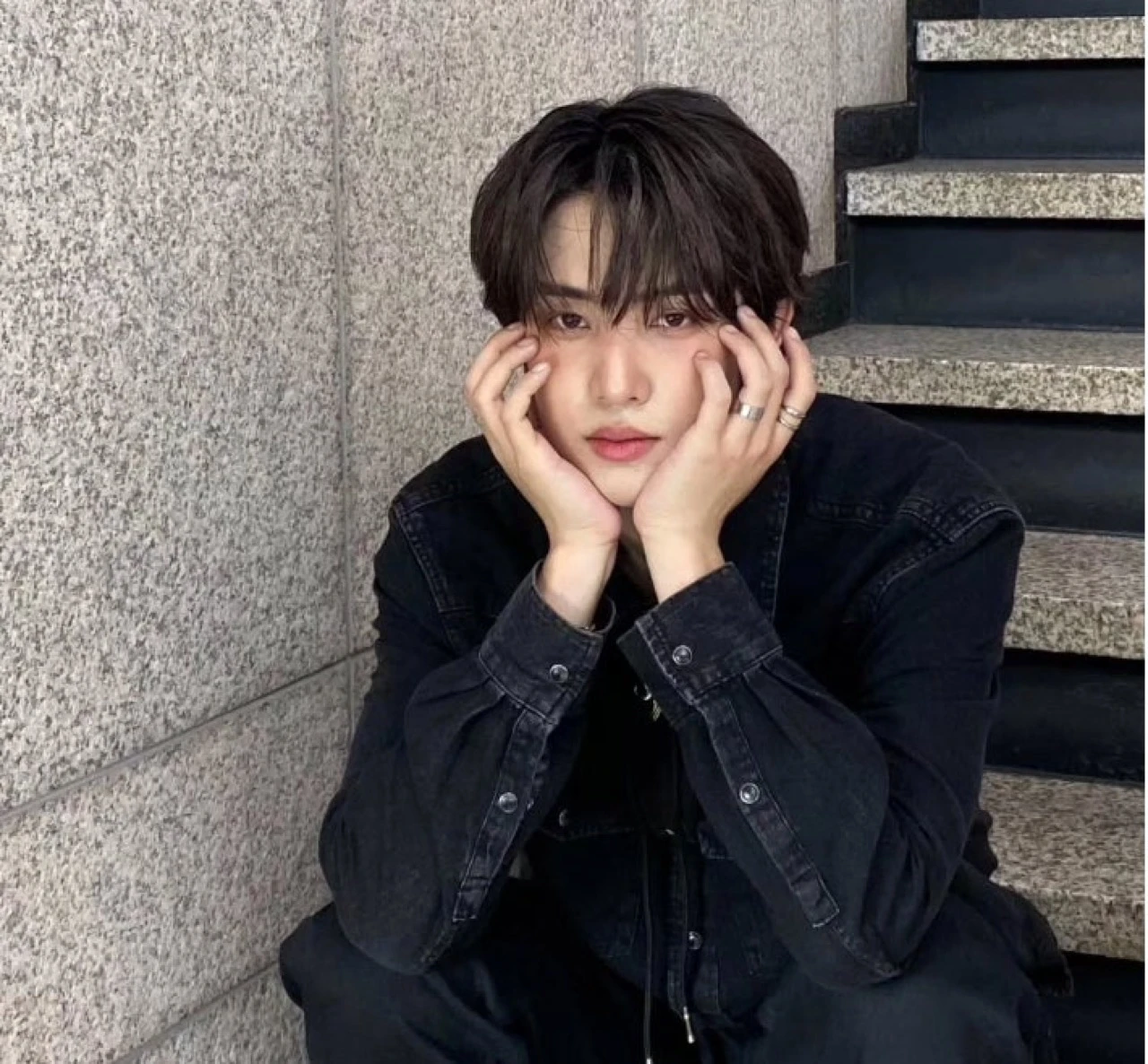
PocketDol and Phunky Studio are still fighting, but the optics are rough
PocketDol Studio and Phunky Studio are not accepting the ruling quietly. As reported by Sports World via Naver Entertainment, the agencies said they would appeal immediately and argued that the court focused too heavily on procedural requirements without fully considering how entertainment management works in practice. That is the official line. The harder truth is that once a court frames incomplete settlement records and missing proof as a trust issue, the PR recovery gets steep fast. Fans do not hear "administrative deficiency" and think everything is fine. They hear another agency saying the paperwork problems are minor while artists are already in court. We have seen enough K-pop contract wars, from the agency exodus around THE BOYZ and VIVIZ to Taemin's Big Planet Made split, to know that labels rarely win the public narrative once judges and multiple artists are aligned against them at the injunction stage.
What this means next for FANTASY BOYS, Doha, and PocketDol
The immediate takeaway is that Doha and the six FANTASY BOYS members now have real legal breathing room while the broader lawsuits continue. Doha wrote on Instagram after the decision that he had moved past the situation that brought everything to a standstill and intended to move forward again. That message matters because it comes from the artist himself, not a recycled agency talking point, and it signals the ruling is not just technical relief. It opens the door to actual activity if the injunction remains in force. For PocketDol Studio, the bigger problem is reputational drag across two active boy-group brands at once. For fans, the next watch point is simple: whether the appeal changes anything material, or whether this becomes another landmark reminder that K-pop agencies still get judged on transparency first and branding second.