The Pulse of K-Entertainment

Na Hong-jin
Artist

Na Hong-jin

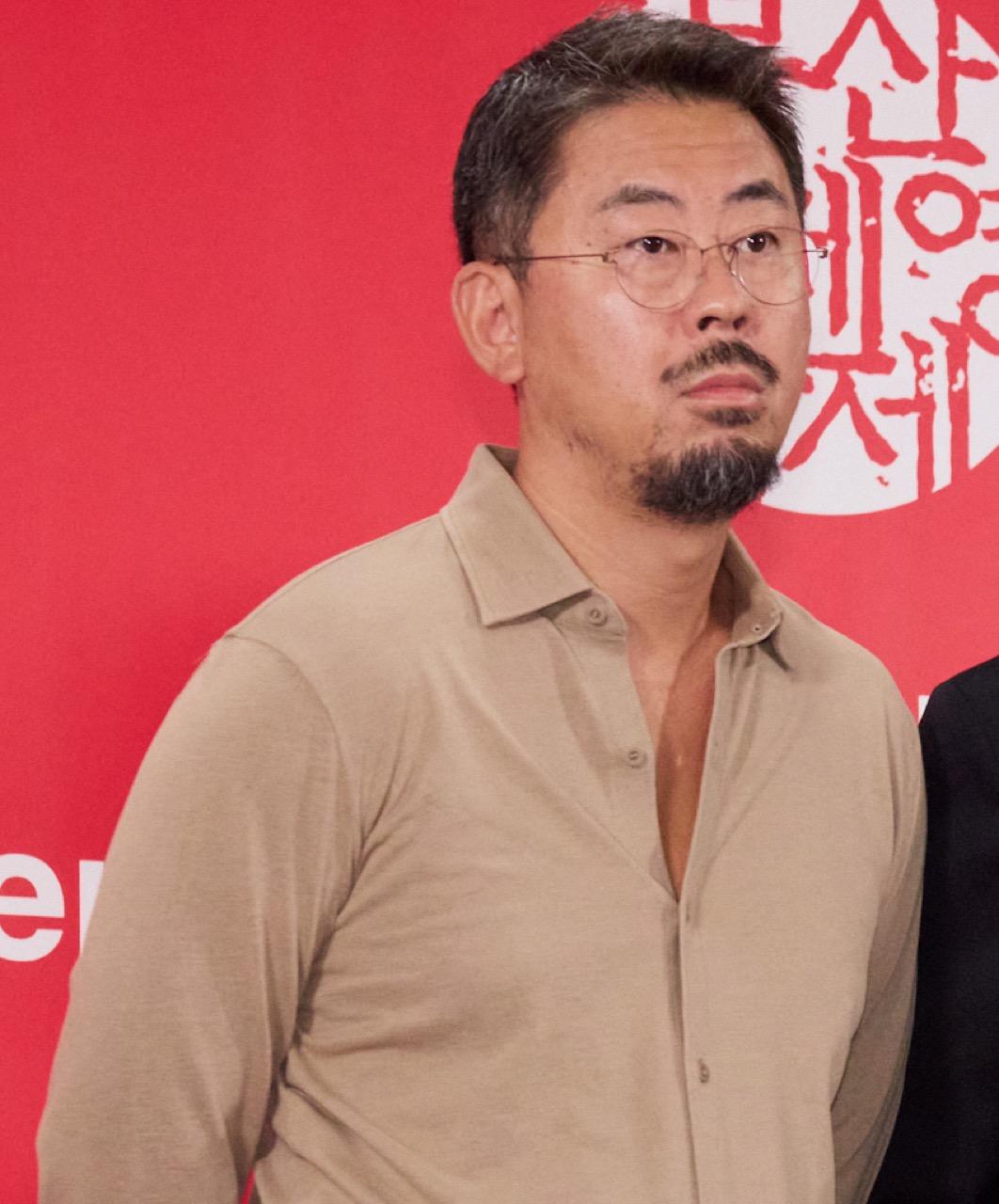
Na Hong-jin (나홍진) works on the kind of schedule only a few directors can get away with. He disappears for years, comes back with something feral, and resets the conversation around Korean genre filmmaking. The Chaser announced him as a thriller director with no interest in neat morality. The Yellow Sea expanded the scale. The Wailing turned dread, religion, slapstick, and procedural panic into one of the defining Korean films of the 2010s.

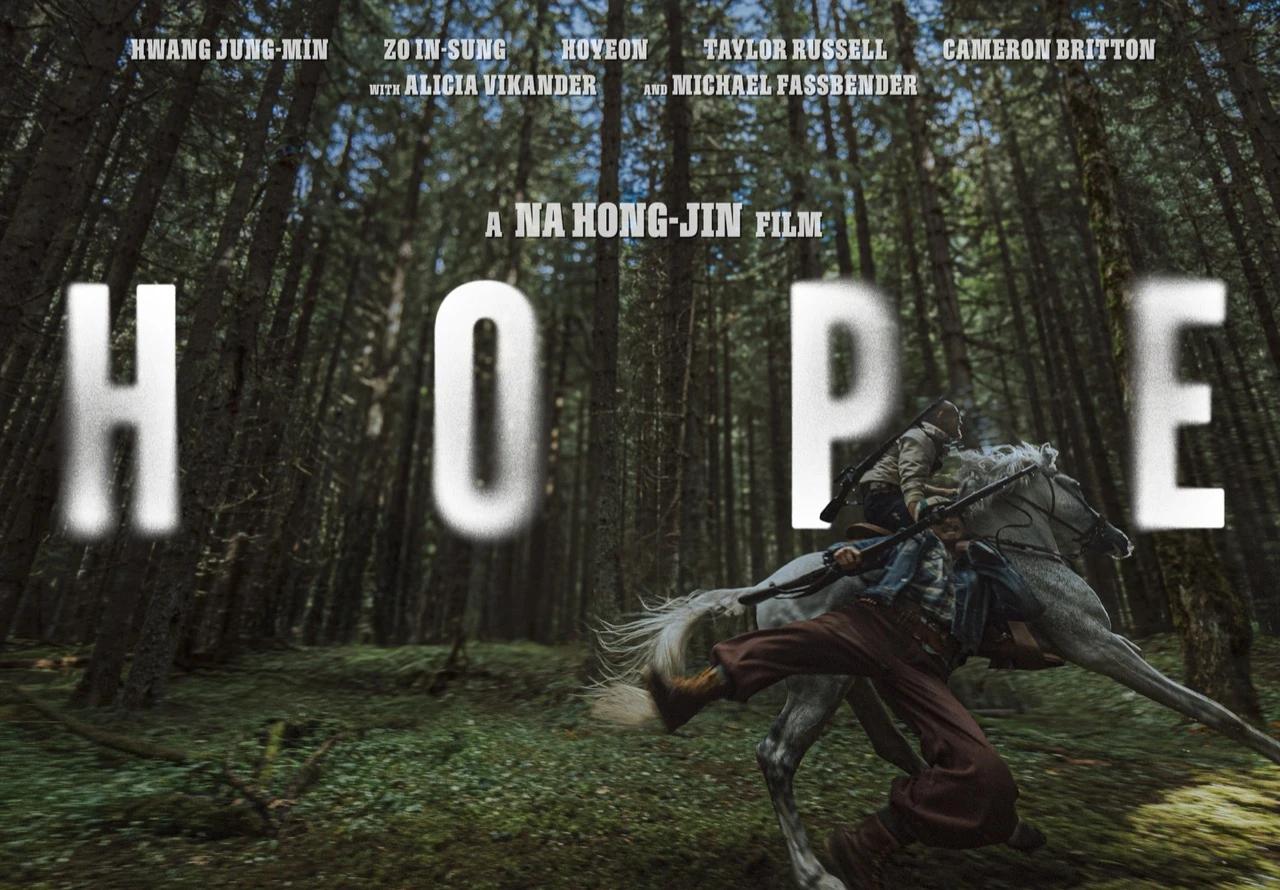
What makes Na important is not just intensity. It is control. His films feel physically overwhelming, but they are built with precision, from chase geography to tonal collapse to how long he lets uncertainty hang before impact. That reputation gave Hope unusual weight long before release. With Plus M Entertainment backing the project and actors including Hwang Jung-min and Jung Ho-yeon on board, the film arrived as both an event title and a test of how far Na could push his world outward without losing his signature pressure.

Cannes competition is a fitting lane for that kind of return. Na has never made films for easy consumption, but he has made himself unavoidable whenever he reappears. In Korean cinema, that is a rarer position than fame.

0 articles5 creditsSouth Korean

Gallery

Filmography

2021
The MediumFilm
Producer and Screenwriter
2016
The WailingFilm
Director and Screenwriter
2010
The Yellow SeaFilm
Director and Screenwriter
2008
The ChaserFilm
Director and Screenwriter

Fans Also Ask

What films made Na Hong-jin important in Korean cinema?
Na Hong-jin built his reputation through The Chaser in 2008, The Yellow Sea in 2010, and The Wailing in 2016. Those three features established him as one of Korean cinema's most intense genre stylists, known for violent momentum, moral instability, and a rare ability to fuse thriller mechanics with horror and dark comedy without losing control.
Why is The Wailing considered such a major Na Hong-jin film?
The Wailing is often treated as Na Hong-jin's signature film because it pushes beyond a standard horror setup into something stranger and more layered. Released in 2016, it combined occult dread, procedural tension, rural panic, and black comedy, then backed it up with critical acclaim and strong commercial performance. It remains one of the key Korean horror films of its decade.
What is Hope in Na Hong-jin's career?
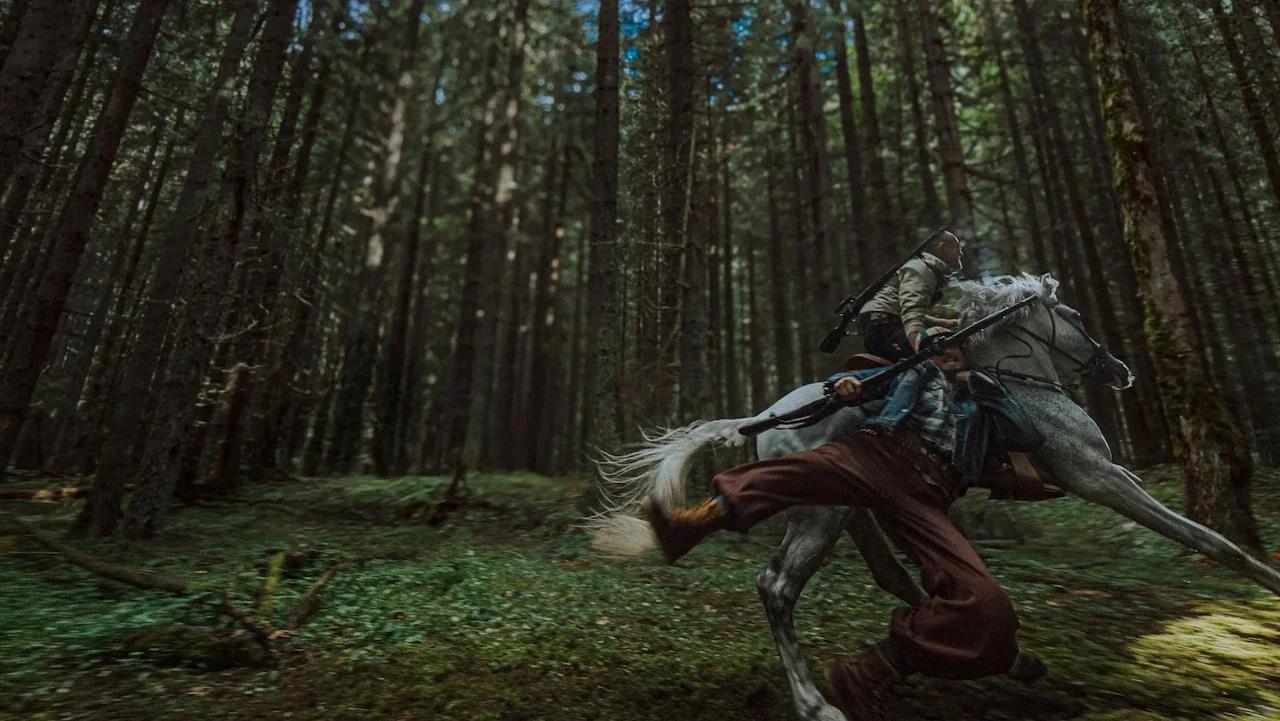
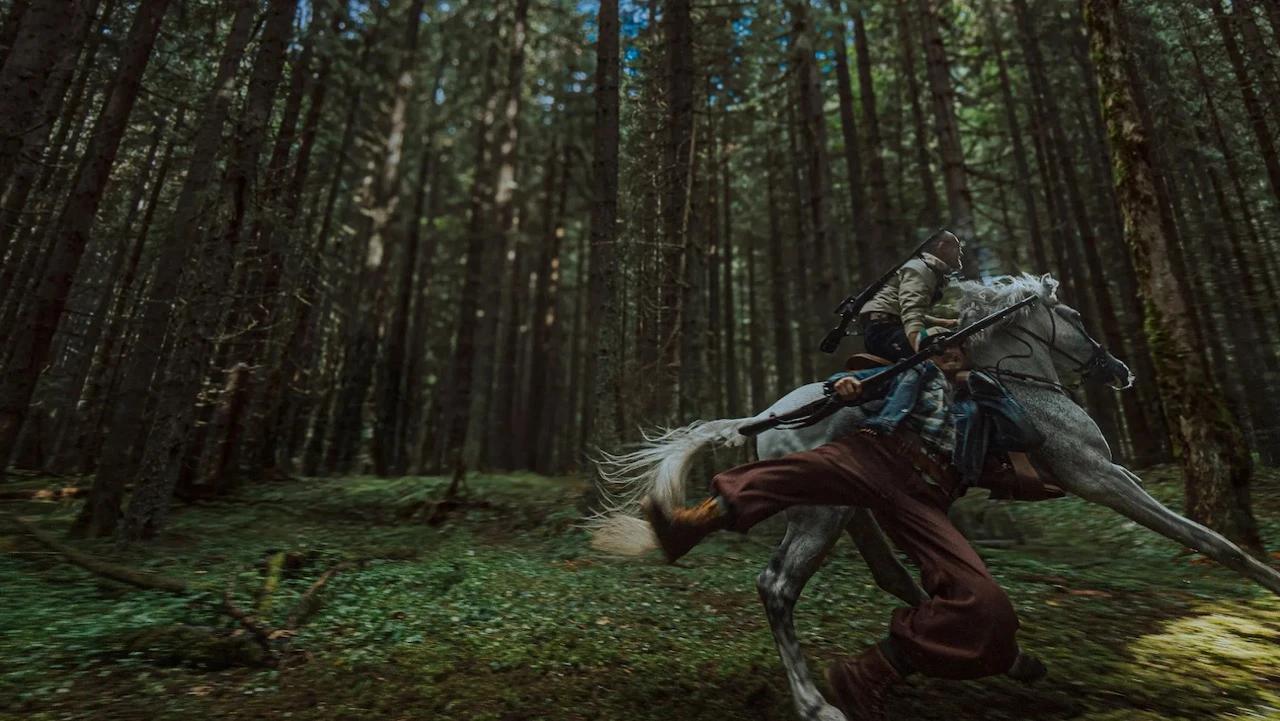
Hope is Na Hong-jin's 2026 return as a feature director and his first film invited into the main Cannes competition. The project carries unusual scale, pairing Korean actors like Hwang Jung-min and Jung Ho-yeon with international names including Michael Fassbender and Alicia Vikander. That makes it both a festival title and a test of how his style travels inside a larger international production.
Did Na Hong-jin work in film before directing features?
Yes. Before his feature breakthrough, Na Hong-jin made short films including 5 Minutes, A Perfect Red Snapper Dish, and Sweat. Those early works helped him build industry attention before The Chaser arrived in 2008. He also studied at Korea National University of Arts after starting out in advertising, which gave him a route into filmmaking from outside the usual directing pipeline.
Does Na Hong-jin make films often?
No. Na Hong-jin is known for long gaps between features, which is part of why each new project lands as a real event. He tends to spend years developing and shaping his films rather than working on an annual cycle. That slow pace has not hurt his standing. If anything, it has reinforced the idea that a Na Hong-jin film arrives only when it is fully built on his terms.

Latest Articles

No articles about Na Hong-jin yet

Check back soon for the latest coverage.