The Pulse of K-Entertainment

LG Electronics
Brand

LG Electronics

LG Electronics is one of South Korea's foundational consumer-tech companies, established in 1958 as GoldStar before adopting the LG Electronics name in 1995. The company's official history tracks a straight line through Korea's hardware milestones: its first radio in 1959, its first refrigerator in 1965, and Korea's first TV in 1966. That manufacturing base is why LG still matters beyond product launches. It helped build the domestic electronics infrastructure that later became part of Korea's wider cultural export machine.

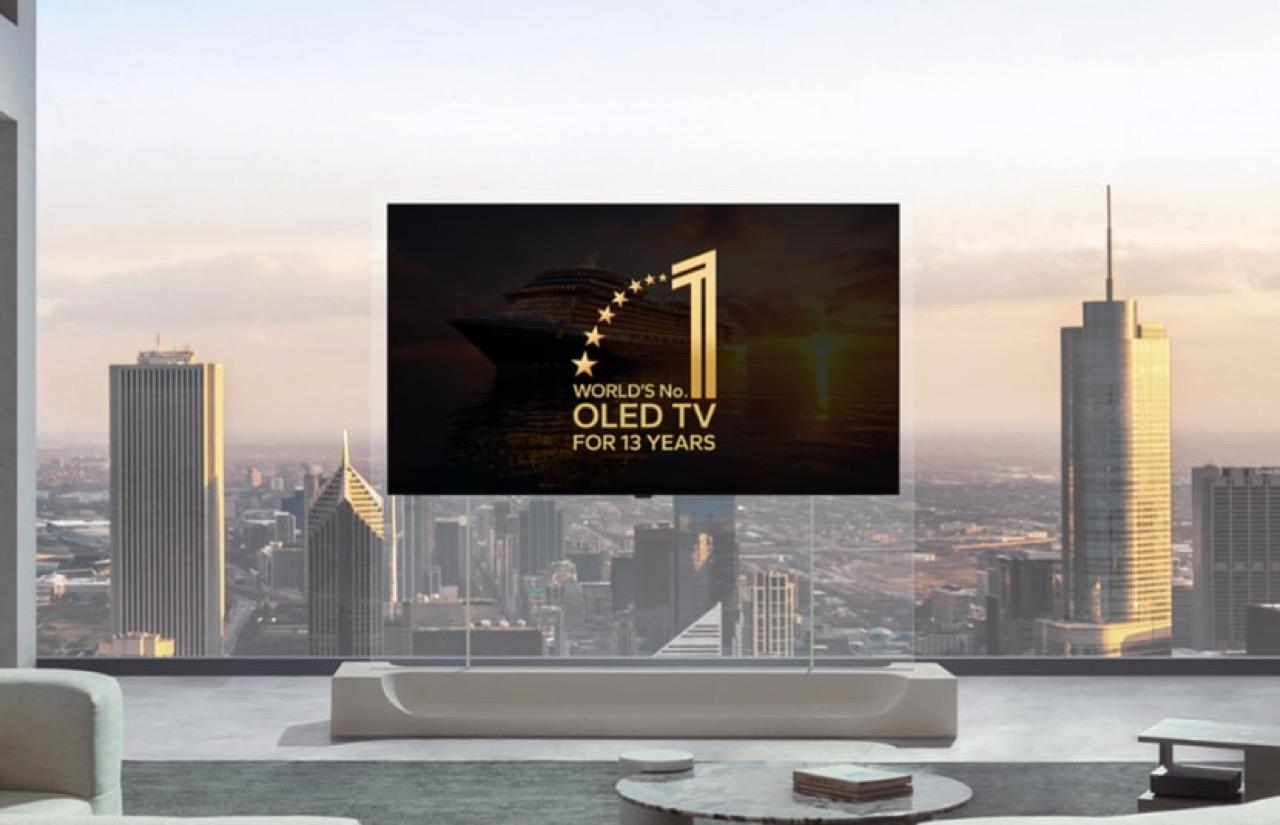
In the current entertainment economy, LG is especially relevant through premium TV hardware, webOS, and the expansion of LG Channels. The company has kept sharpening its home-entertainment position through OLED leadership and connected-TV distribution, putting it in the same living-room platform conversation as Samsung. When Korean media groups talk about FAST as a second revenue lane for library content, LG is part of the infrastructure layer that makes that idea commercially real.

1 articleslg.com

Gallery

LG official logo and newsroom imagery
Fans Also Ask

When was LG Electronics founded?
LG Electronics traces its origin to 1958, when GoldStar was established in South Korea. The company later rebranded as LG Electronics in 1995. Its official corporate history also credits the business with producing Korea's first radio in 1959, first refrigerator in 1965, and first TV in 1966, which explains its long-standing weight in the country's consumer-tech sector.
What does LG stand for?
Historically, LG is tied to the Lucky-GoldStar era, while the modern company presents the brand through its current LG identity and the Life's Good slogan. The official corporate timeline confirms GoldStar as the electronics business founded in 1958 and notes the company rebranded as LG Electronics in 1995 as it expanded into a broader global brand.
What is LG Channels?
LG Channels is LG Electronics' free streaming and FAST service for compatible LG Smart TVs. The company uses it to deliver live channels and on-demand entertainment through the webOS ecosystem without a separate hardware add-on. That matters because LG is no longer only selling screens. It is also building a distribution layer inside the connected-TV viewing experience.
Why is LG important in the TV market?
LG matters because it has stayed at the high end of home entertainment while scaling globally. In March 2026, the company's official newsroom said LG had led the global OLED TV market for 13 consecutive years. Combined with webOS and LG Channels, that gives the company influence over both premium hardware and the software layer shaping how audiences discover streaming content.

Latest Articles