Share This Article
Korea and India Turn K-Pop Momentum Into a Film Co-Production Play With Amor
Korea and India are moving beyond K-pop fandom into a formal film co-production lane with Amor, a planned Mumbai Korea Center, and a broader push to build K-content infrastructure in India.
April 27, 2026
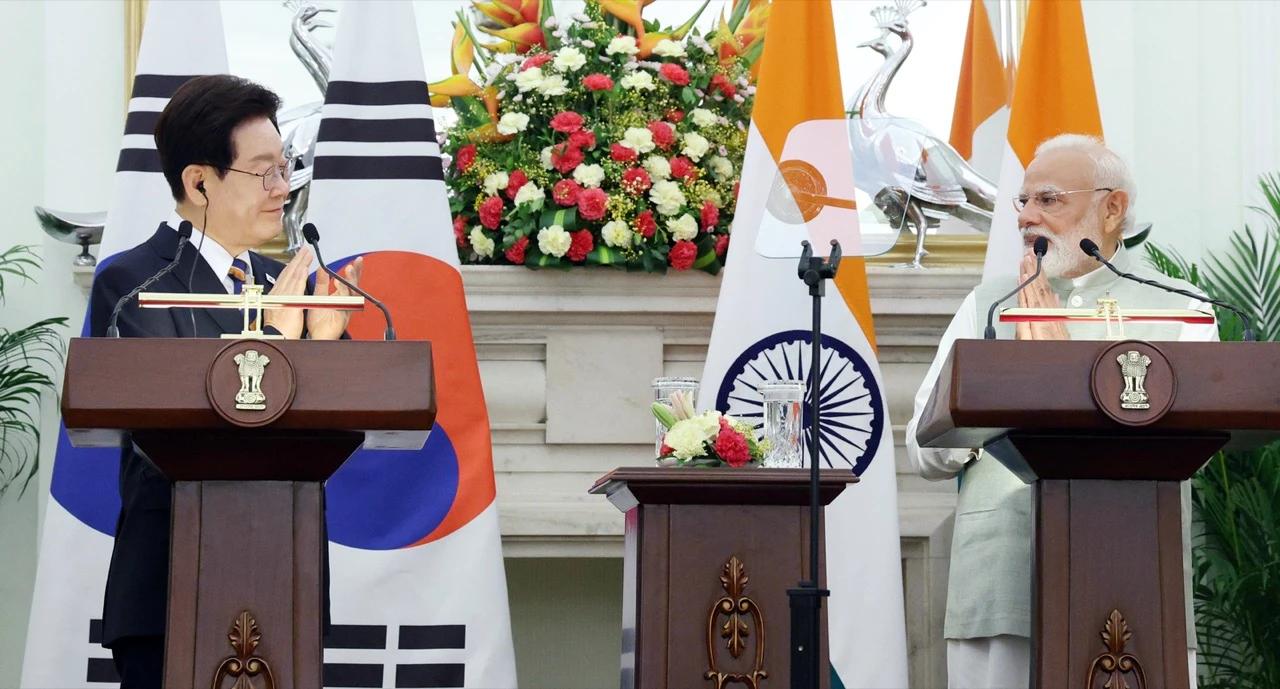
Korea and India are turning K-pop era goodwill into film business, with Korean studio Flix Oven and India’s Studio Shakti signing a co-production deal for Amor during President Jae-myung Lee’s April visit to New Delhi. According to Seoul Economic Daily, the project is targeting a September 2026 shoot, while Korea JoongAng Daily reported that the same summit package also introduced a five-year cultural exchange program and plans for the Mumbai Korea Center. The Korea Times also confirmed that the New Delhi roundtable included a formal signing ceremony for Amor, which gives the story more weight than a generic cultural MOU. That combination matters because it pushes the relationship beyond fandom headlines and into production infrastructure, policy backing, and long-term local market investment. From HYBE’s Mumbai office to the Amor signing, Korea is now testing whether Indian demand can support a repeatable content corridor rather than a one-off diplomatic photo op. It is a meaningful test of whether bilateral hype can become bankable production business.
That matters because this is not another vague K-wave headline. As reported by Korea JoongAng Daily, Korea is now building an India strategy across films, live performance, and local market infrastructure, and we have already seen in our look at K-pop’s diplomatic power how state-level attention can open a wider cultural-business lane. From HYBE’s Mumbai office to the policy push around Amor, the current move looks more structural than symbolic. If Made in Korea proved India-Korea screen collaboration can travel, Amor looks like the first serious attempt to make that lane repeatable.
Amor turns diplomacy into an actual production play
Amor matters because it arrived with names, timing, and institutional backing instead of the soft language that usually surrounds cultural MOUs. Seoul Economic Daily reported that Flix Oven and Studio Shakti are targeting September 2026 for filming, and The Korea Herald confirmed that the signing happened as Korean and Indian film executives gathered in New Delhi alongside Jae-myung Lee’s visit. Korea Times also framed the roundtable as an effort to combine India’s scale as the world’s biggest film producer with Korea’s content muscle, which is exactly why this story lands harder than a one-day ceremony photo. Korea is no longer just exporting finished music and drama into India and hoping the audience follows. It is testing a co-production model with local partners, official policy support, and a business case that already has momentum thanks to cross-market titles, streaming performance, and a much clearer read on Indian demand than the industry had even two years ago.
The Mumbai Korea Center is the bigger clue
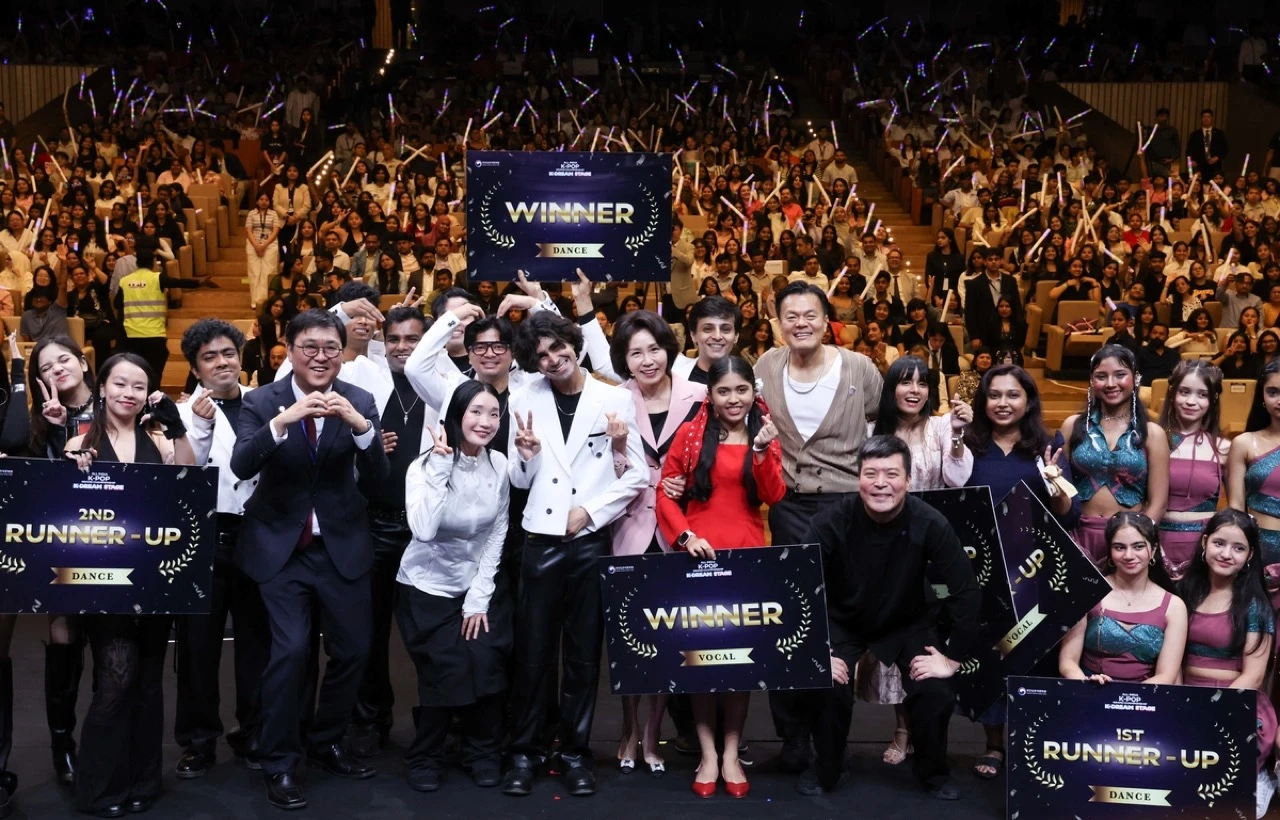
The planned Mumbai Korea Center may end up being the most important detail in this whole package because it signals permanent infrastructure, not a one-off event. Korea JoongAng Daily reported that the center is being pitched as a permanent K-pop performance hall and overseas K-culture hub, while The Korea Herald described it as a platform for future collaboration between K-pop and Bollywood. Put that next to HYBE opening its Mumbai office in 2025 and the strategy becomes easy to read. Korea wants a durable base inside India’s entertainment economy, one that can support concerts, training, partnerships, screenings, and the kind of local relationship building global content businesses need if they want to scale. That is a smarter play than treating India as a streaming afterthought. India is too large, too young, and too culturally noisy for that. The next phase was always going to be co-creation.
There is also a fandom story underneath the policy story. India has been visible in cross-border K-pop experiments for years, and NextShark noted as far back as 2021 that Indian members were already part of regional idol projects built around Asian cultural exchange. That earlier wave did not create a full industrial bridge on its own, but it showed the audience signal was real. The new difference is scale. This time Korea is pairing fan demand with institutions, from the summit-level cultural agreement to the roundtable that included Korean Film Council leadership and production executives. We have seen plenty of markets consume Korean culture. India now looks like a market Korea wants to build with.
What HITKULTR is watching next
The next proof points are straightforward. Amor needs to start shooting on schedule, Flix Oven and Studio Shakti need to reveal cast and distribution details, and the Mumbai Korea Center needs to move from diplomatic headline to construction and programming reality. If those pieces land, this stops being a symbolic partnership and starts looking like a durable Korea-India content corridor. If they stall, the story drops back into the familiar pile of cultural announcements that sound big and change little. Right now, though, the signal is stronger than usual. According to Seoul Economic Daily, the roundtable was designed to produce practical cooperation plans, and The Korea Herald framed the moment as an era of co-creation. Korea is betting that India is not just a fan market anymore. It is a partner market.