Share This Article
BewhY shuts down Dejavu Group after 9 years and says “I failed”
BewhY ended Dejavu Group on May 1 and called the move his own failure, turning a label shutdown into one of the rawest Korean hip-hop business stories of the week.
May 4, 2026
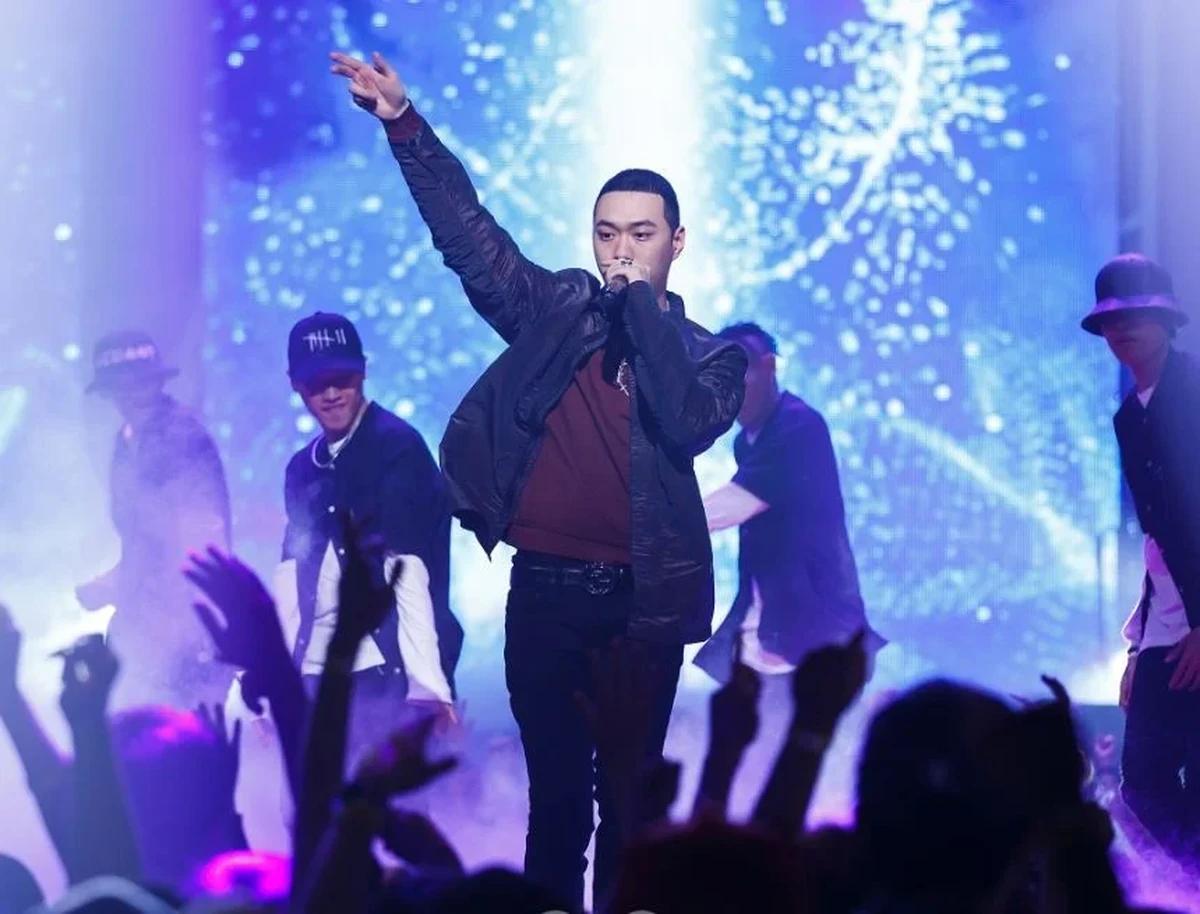
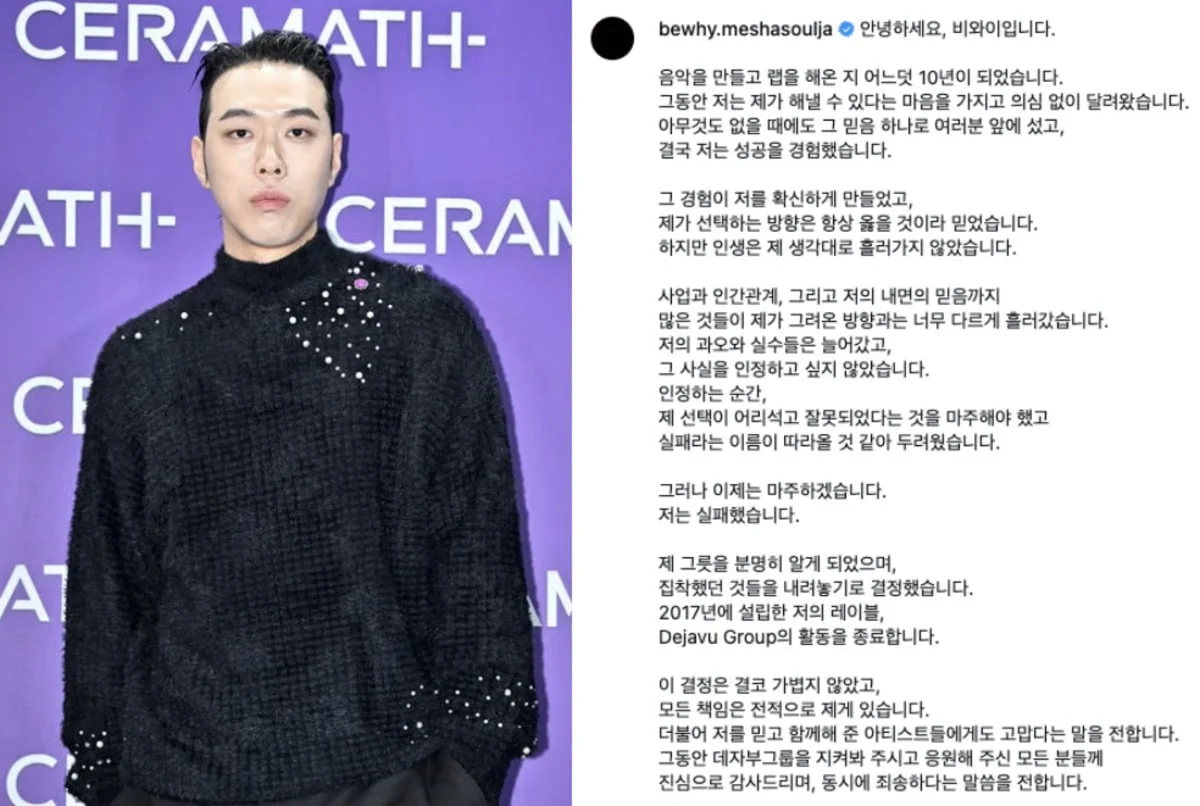
BewhY (비와이) said on May 1 that he is ending Dejavu Group (데자부 그룹), the label he founded in 2017, and the bluntness of his explanation is why this story hits harder than a routine company closure. In his May 1 Instagram statement, BewhY said, “I failed,” and added that all responsibility for the shutdown sits with him. As reported by Sports Kyunghyang, that confession quickly turned a business update into one of the rawest Korean hip-hop statements of the week. That matters because artist-led labels in Korean hip-hop are usually sold as proof of independence, control, and long-term credibility. BewhY just gave the opposite headline. He turned a business exit into a public self-audit. For a rapper whose rise has long been tied to conviction, precision, and technical authority, this was an unusually raw admission, and it instantly made Dejavu Group’s end feel bigger than one more roster reshuffle in a crowded market.
What BewhY actually said about Dejavu Group
BewhY did not frame the shutdown like a neat strategic pivot or a mutual parting of ways. According to his May 1 Instagram statement, later translated and contextualized by Kyunghyang, he said the business, his relationships, and even his inner convictions drifted far from the direction he had imagined, then admitted that he had been afraid to accept that his choices were foolish and wrong. That is the line that changes the story. Korean entertainment companies close, rebrand, and reshuffle all the time, but public language this self-critical is rare. BewhY’s statement reads less like corporate cleanup and more like a final personal audit from the founder himself. He also thanked the artists who trusted him and apologized to the people who supported the label, which gave the shutdown a human weight that most label notices never bother to carry.
Why this closure lands harder than a normal label story
Dejavu Group was never just another quiet shell company. It was part of the broader Korean hip-hop promise that a successful rapper could build an independent lane, sign talent, and turn personal credibility into institutional power. That promise still matters in a scene that values autonomy almost as much as chart results. It is also why this ending feels instructive. BewhY is not saying the market failed him. He is saying he misread his own capacity. In a scene that treats independence almost like a badge of honor, that kind of candor cuts deeper than a standard farewell post. It turns Dejavu Group into a case study about how hard it is to scale an artist identity into a stable business, especially when leadership, relationships, and day-to-day operations all start pulling in different directions.
BewhY’s own career is why the shutdown matters
BewhY’s story already carries more symbolic weight than the average label founder. He debuted in 2014, then broke into the mainstream after winning Mnet’s Show Me the Money 5, a run that helped define him as one of the most technically admired rappers of his generation. According to Sports Kyunghyang's May 2 report, he later launched Dejavu Group as a one-man agency before expanding it into a fuller hip-hop label in 2019. That timeline matters because the company was built after success, not before it. Dejavu Group was supposed to be the structure that extended BewhY’s authority, not the gamble that created it. When someone with that résumé says the venture still ended in failure, the takeaway is bigger than one artist stepping back from management. It is a reminder that acclaim and business durability are not the same skill, even in a scene that often treats them like they should overlap.
What to watch next
For now, the cleanest read is that BewhY is closing a chapter, not disappearing from music. His statement targeted the label, not his career as a rapper, and the distinction matters. The bigger question is what Korean hip-hop artists will take from how openly he handled the exit, especially in a market still testing bigger business plays like our report on Lee Young Ji's Warner Music partnership. According to BewhY's own post, this was not a light decision and the responsibility is entirely his. That line will probably travel further than any formal shutdown notice. It gives the story a rare afterlife as an industry lesson about ego, scale, and the limits of founder mythology. Even if Dejavu Group is done, the way BewhY chose to end it has already become the part people will keep quoting.