Dejavu Group
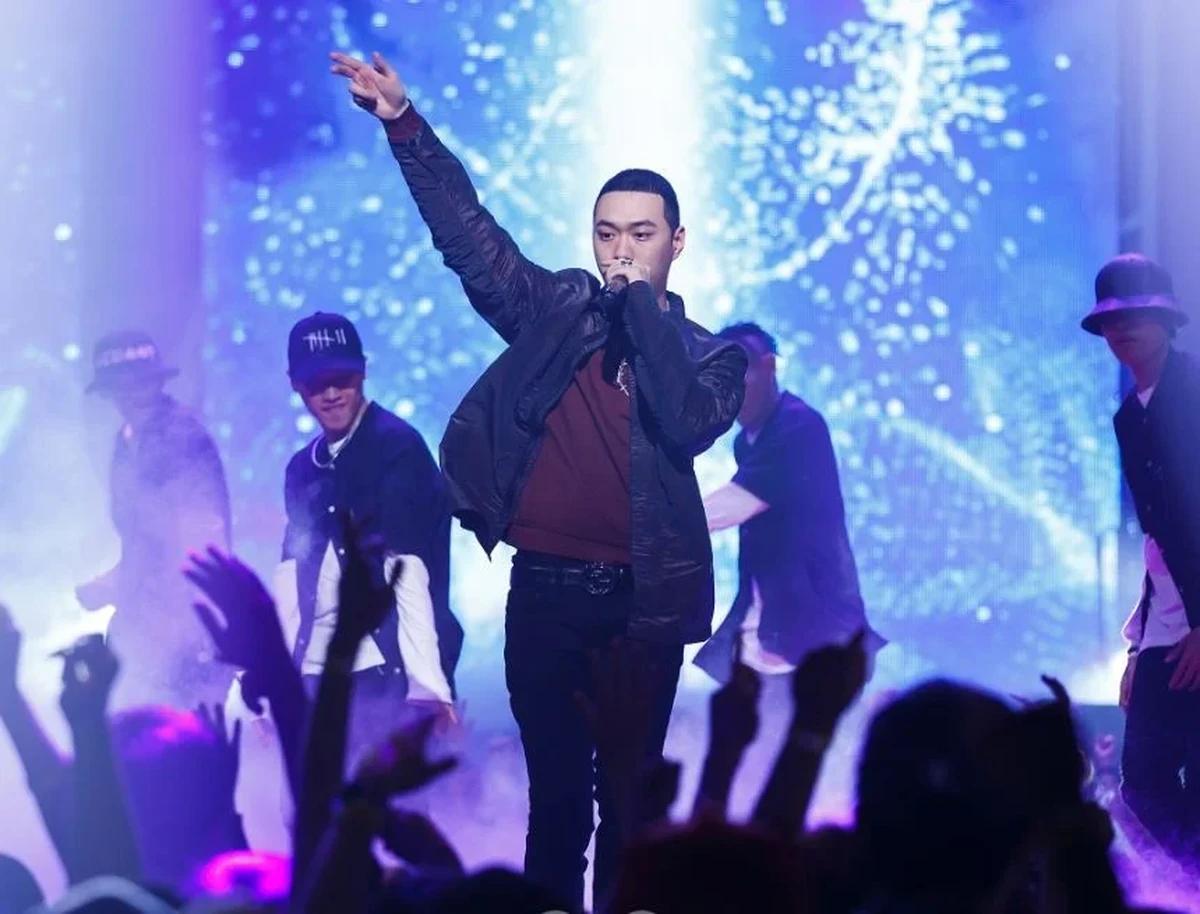
Dejavu Group was the artist-built Korean hip-hop label founded by BewhY in 2017 after his breakthrough run on Mnet. It began as a tighter home for BewhY's post-Show Me the Money 5 momentum, then grew into a more recognizable independent label identity with its own channels, site, and visual language.
What made Dejavu matter was not sheer roster scale. It was the way the company turned one rapper's breakout into a self-directed infrastructure play. That independence gave BewhY room to connect release strategy, label branding, and cross-platform visibility, including soundtrack-era attention around projects carried by platforms like Netflix. In a Korean hip-hop market that often relies on loose affiliation, Dejavu tried to look and operate like a fully authored house.
That chapter closed in May 2026, when BewhY announced the end of Dejavu Group's operations and took direct responsibility for the outcome. The shutdown does not erase the label's significance. It leaves behind one of the clearest examples of how a top-line rapper tried to build lasting independent structure, even if the business runway ultimately ran out.
Gallery