Share This Article
Solo Leveling's live-action enters production as Netflix's Korean IP bet gets real
Byeon Woo Seok says Solo Leveling starts filming this month, turning Netflix's biggest Korean fantasy adaptation from casting buzz into a real production story.
May 11, 2026
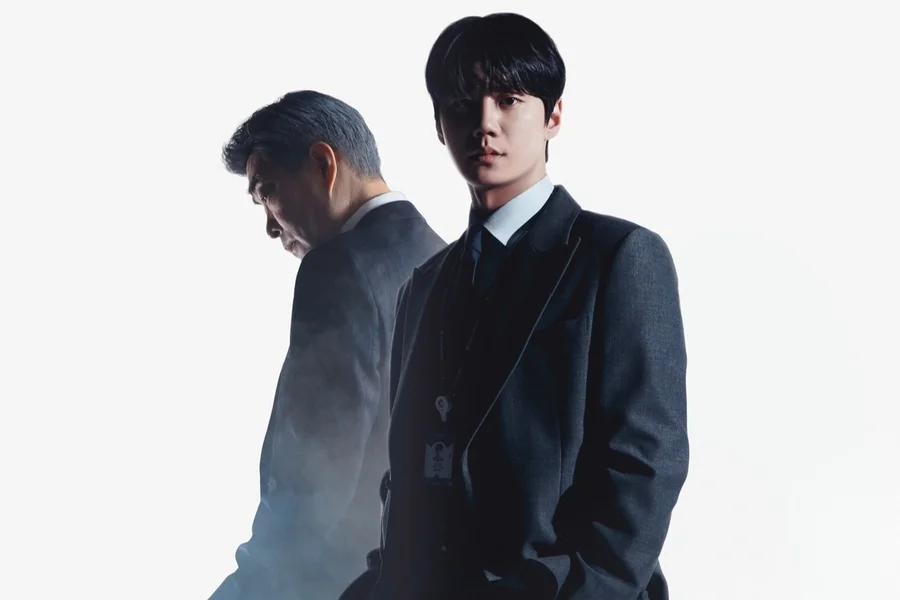
Netflix's live-action Solo Leveling has finally moved from announcement mode into real production movement, with Byeon Woo Seok saying filming starts this month and the streamer already on record about the project's scale. That is the clearest production signal fans have had since the adaptation was first revealed. That matters because this is not just another adaptation headline. According to Netflix's July 2025 announcement, the series brings together Byeon in the lead role of Sung Jin-woo, producers including Kakao Entertainment, and a world-class VFX push around one of Korea's most exportable fantasy IPs. Netflix also said the franchise had reached 14.3 billion cumulative views worldwide across its web novel and webtoon footprint. When a title that big finally gets a filming update, the story stops being casting noise and starts looking like a real production bet.
Solo Leveling live-action is now a production story, not a casting rumor
Byeon Woo Seok gave the clearest public update yet when he told fans via Weverse that he is filming Solo Leveling this month, as reported by ScreenRant after the message spread through the fandom. Outlook Respawn separately reported the same production turn and framed May 2026 as the moment the project finally enters active filming. That shift is the whole point. We already knew Netflix wanted the adaptation. What we did not have was a cast-facing signal that cameras were actually close to rolling. For an IP this effects-heavy, that matters more than another recycled casting roundup. It means the live-action is now moving into the expensive part, where scheduling, VFX planning, and on-set execution start deciding whether one of Korea's biggest crossover properties can survive contact with reality.

Netflix is betting on a Korean IP that already proved it can travel
Netflix's official announcement did the heavy lifting here, with the franchise's scale confirmed by Netflix when it described Solo Leveling as a Korean-origin property that expanded from web novel to webtoon, anime, and gaming before landing at live action. The streamer explicitly sold the series on scale, monsters, dungeons, and VFX. That is why this project sits closer to a strategic franchise play than a normal K-drama pickup. We have already seen Korean adaptation talk heat up across the market, from Romance 101's screen move to our look at how K-dramas are experimenting with bigger shared-world logic. Solo Leveling is a different beast because the audience is already global and the expectations are already brutal. If Netflix lands this, it strengthens the case that Korean story IP can jump formats without losing commercial momentum.
The cast is becoming part of the sell, especially for Netflix's global audience
Byeon Woo Seok was always going to be the center of the adaptation's early marketing because he arrived with post-Lovely Runner heat and enough romantic-drama goodwill to soften some fan skepticism. Kang You-seok also gives the project a rising actor with strong recent streaming visibility, which helps Netflix package the series like a mainstream Korean tentpole instead of niche gamer bait. What's smart here is that the streamer is selling familiar star power first, then letting the fantasy scale do the rest. Even Byeon's own profile helps the pitch. He is represented by Varo Entertainment, and his casting puts one of Korean TV's most commercially bankable current faces at the center of the adaptation. That is a cleaner way to sell a risky effects-heavy drama to viewers who might know the actor before they know the IP.
The bigger risk is not casting. It is whether the production can make the world look expensive enough
This is where the hype gets tested. According to Netflix, the series is being built with a world-class global VFX team and co-directed by Lee Hae-jun and Kim Byung-seo, which is exactly the kind of language you use when the visual burden is obvious. Sung Jin-woo's rise, the dungeon raids, the shadow-soldier spectacle, and the monster scale are the product. If those elements look cheap, nothing else will matter. Reports collected by What's on Netflix also point to a reported seven-episode first season and an early May filming window, though Netflix has not confirmed the episode count itself. That sounds lean, but maybe that is the right call. A tighter run gives the production a better chance of concentrating budget where the franchise absolutely needs it.
Fandom pressure is real, and the anime already raised the bar
The live-action is not arriving in a vacuum. The anime already turned Solo Leveling into a wider international conversation piece, and even outside the core fandom the property has been treated like an event title. A review from backlink prospect In Asian Spaces captured how quickly the anime's first episode grabbed attention beyond the webtoon diehards, even from a critic who was not fully sold on the series as a whole. That matters because it shows the franchise has already broken out of its original lane. Fans on Reddit and across anime circles have also been split for months between excitement over the cast and anxiety over whether any live-action version can carry Jin-woo's progression arc without flattening the charm. We are in the same place. The production update is exciting. The real verdict starts when footage drops.
Why this matters now
Solo Leveling entering production is a meaningful check-in on where Korean entertainment is headed. The safest version of the story is that Netflix is making a flashy adaptation of a famous property. The more interesting version is that one of the biggest Korean-origin franchise ecosystems on the market is now being tested in the most unforgiving format. Live action exposes every weak seam. If Netflix gets the tone, scale, and pacing right, this becomes one of the clearest examples yet of Korean IP moving across formats at full global speed. If it misses, the disappointment will be just as loud. Either way, the production update means the project has finally entered the stage where the market gets real evidence instead of waiting on vibes.