The Pulse of K-Entertainment

Deep Purple
Group

Deep Purple

Deep Purple are one of hard rock's foundational bands, a London-born group whose early-1970s run helped define the weight, speed, and keyboard-guitar attack that heavy rock still feeds on. Few catalogues can move from canonical records like Deep Purple in Rock and Machine Head to a credible modern touring life half a century later.

The reason is not just nostalgia. Deep Purple kept recording, reshaping lineups, and building a stage reputation that still sells internationally, with later releases such as Whoosh!, Turning to Crime, and =1 extending the story rather than simply replaying the classic era. That longevity is rare, even among legacy acts with far larger marketing machines.

In HITKULTR terms, the band matters because it helps explain the new breadth of Korea's concert economy. A 2026 touring footprint that can absorb Deep Purple alongside newer global names says something real about the market depth now being activated by promoters like Live Nation Korea and venue players such as Paradise City.

0 articles5 creditsBritish

Gallery

Discography

2024
=1Album
2021
Turning to CrimeAlbum
2020
Whoosh!Album
1972
Machine HeadAlbum
1970
Deep Purple in RockAlbum

Fans Also Ask

When did Deep Purple form?
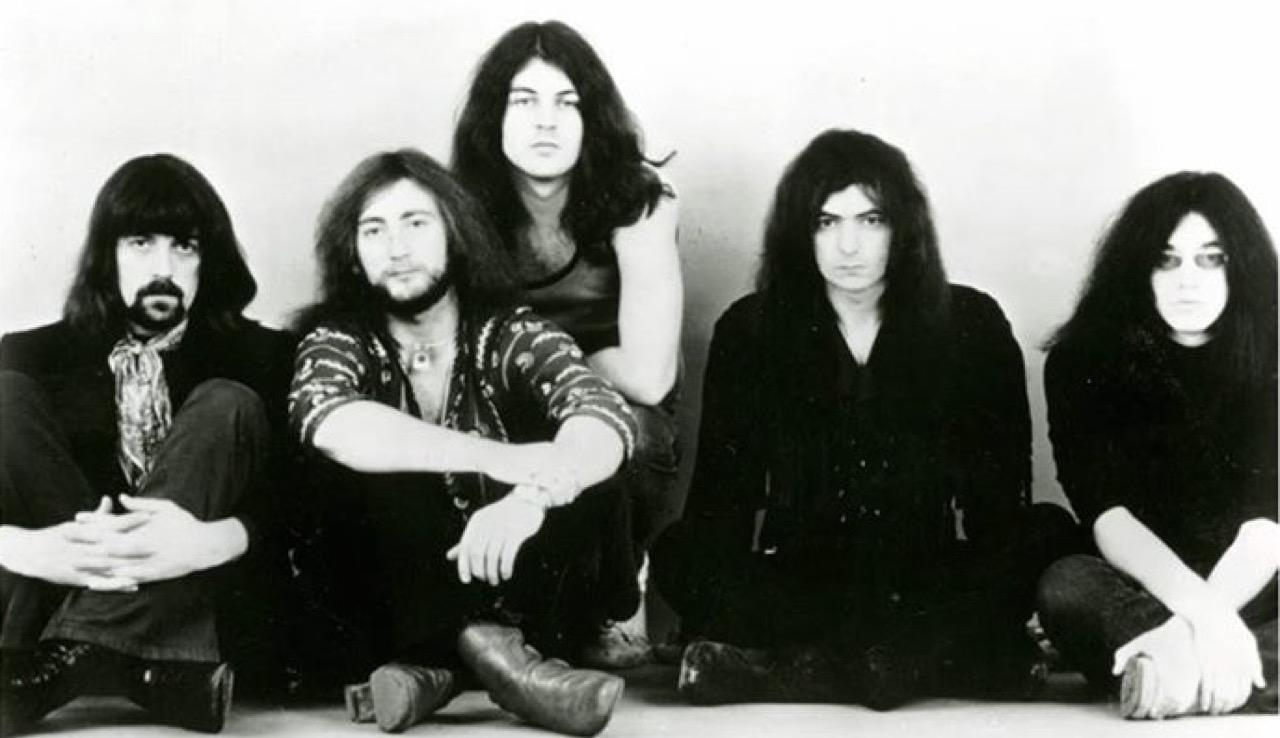
Deep Purple formed in London in 1968. The band first emerged from the late-1960s psychedelic and progressive scene, then rapidly evolved into one of the central groups in early hard rock as the heavier 1970s sound took shape.
Why is Deep Purple important to rock history?
Deep Purple is one of the bands that helped build hard rock's core vocabulary: heavy riffing, organ-and-guitar interplay, and a level of instrumental aggression that fed directly into later metal. Albums like <i>Deep Purple in Rock</i> and <i>Machine Head</i> remain reference points because they still sound muscular, fast, and technically sharp.
What are Deep Purple's essential albums?
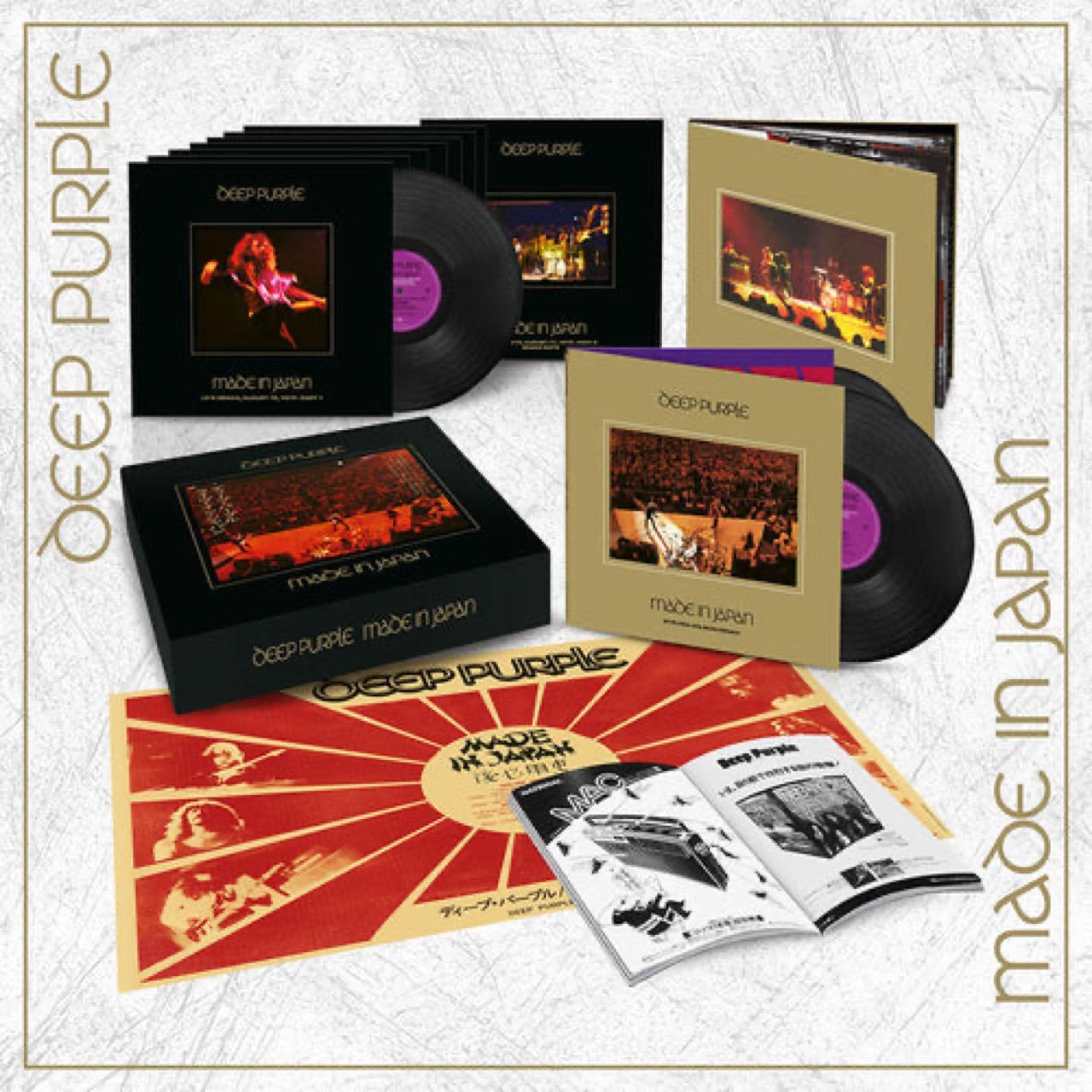
The headline titles are <i>Deep Purple in Rock</i>, <i>Machine Head</i>, and the live milestone <i>Made in Japan</i>, with later-era records like <i>Whoosh!</i>, <i>Turning to Crime</i>, and <i>=1</i> showing how the band kept recording well beyond its classic 1970s peak.
Is Deep Purple still active?
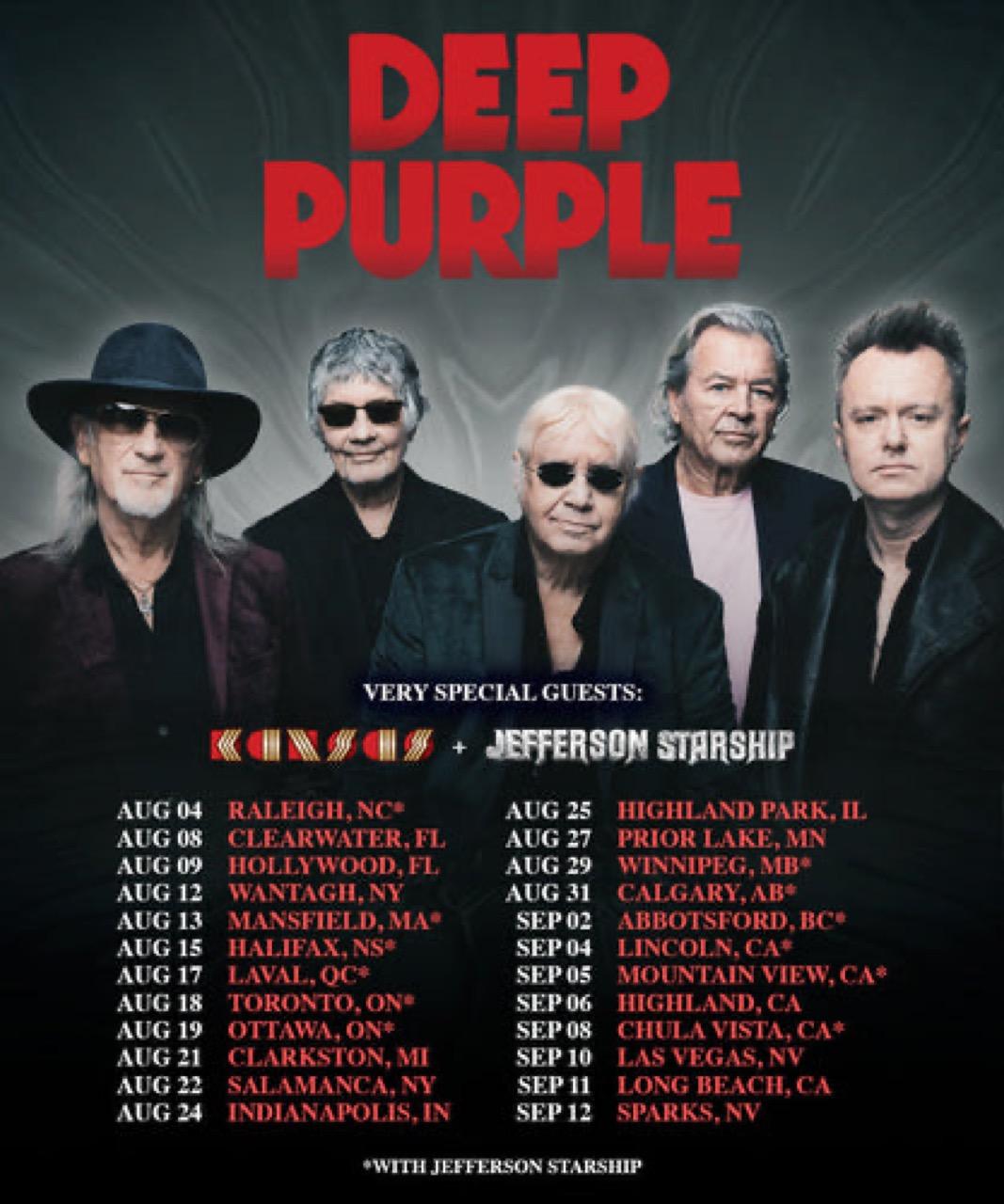
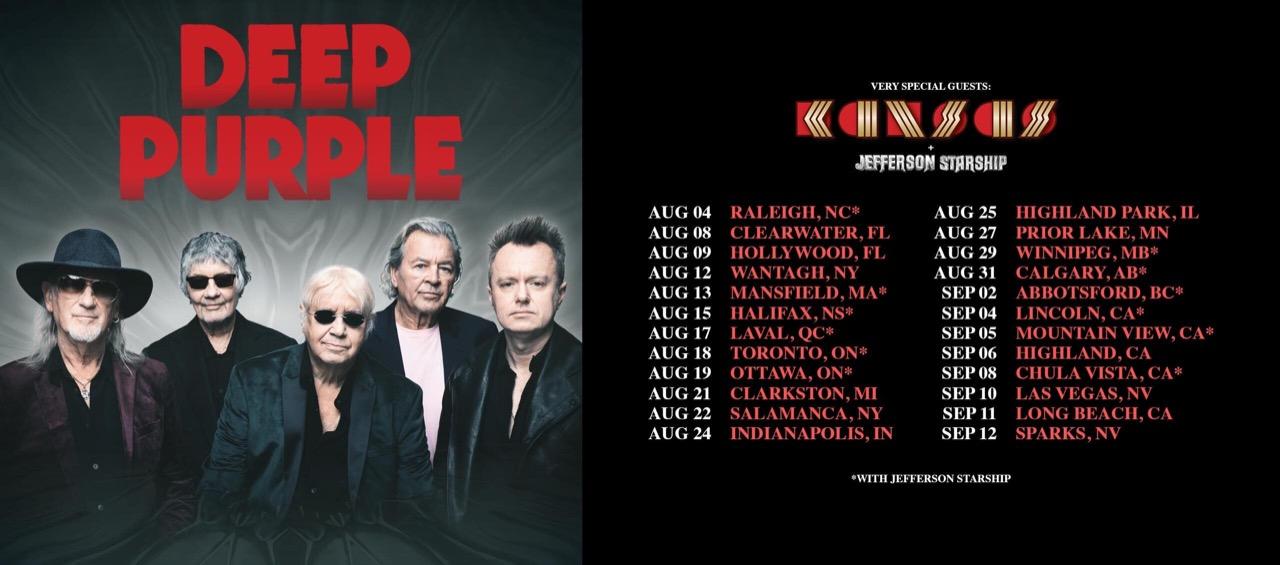
Yes. Deep Purple remains an active recording and touring band, and the official site continues to publish extensive 2026 routing across Europe and North America. That level of activity is part of why the group still matters in current live-market reporting instead of existing only as a legacy catalogue name.
Why does Deep Purple matter to Korea's 2026 concert conversation?
Deep Purple's ongoing touring presence signals the range of artists now viable in Korea's expanding concert ecosystem. When a market can support both current pop stars and a classic hard rock institution with real international demand, it suggests a deeper live-business base for promoters and venues alike.

Latest Articles

No articles about Deep Purple yet

Check back soon for the latest coverage.