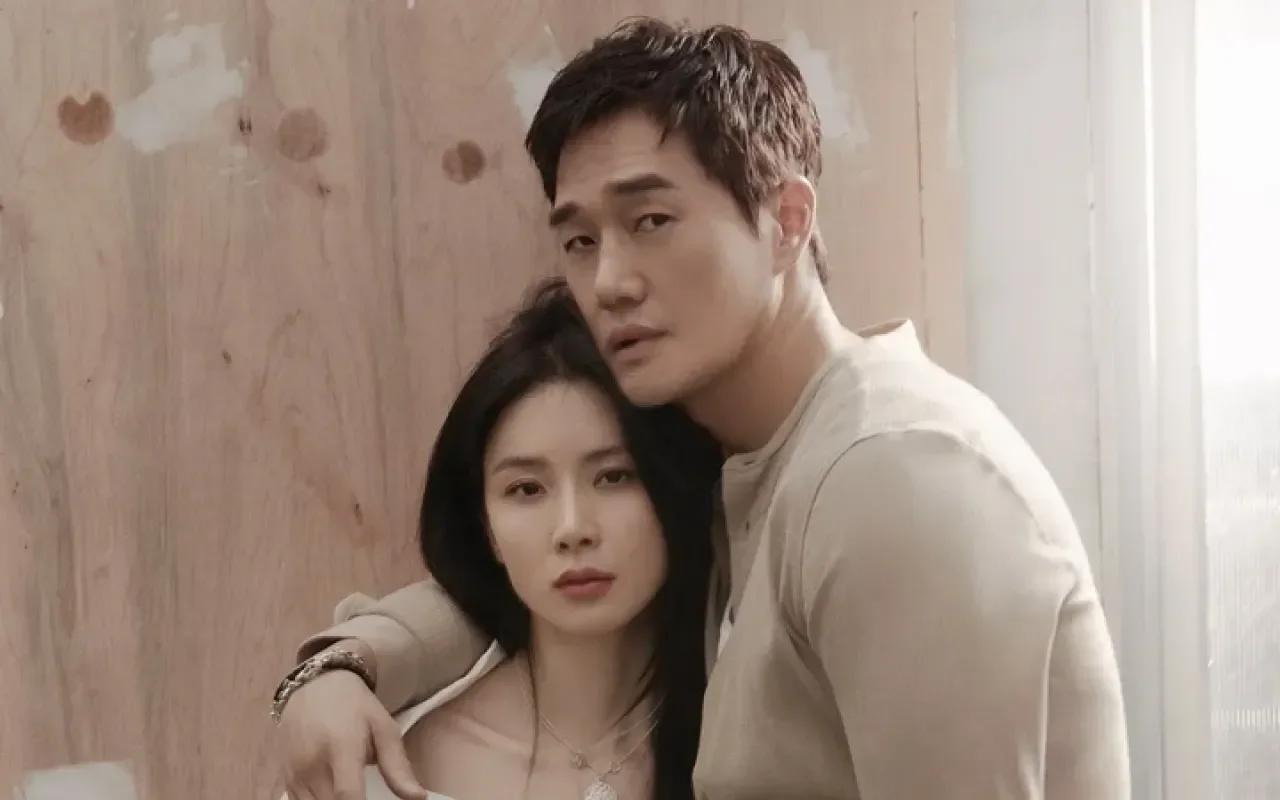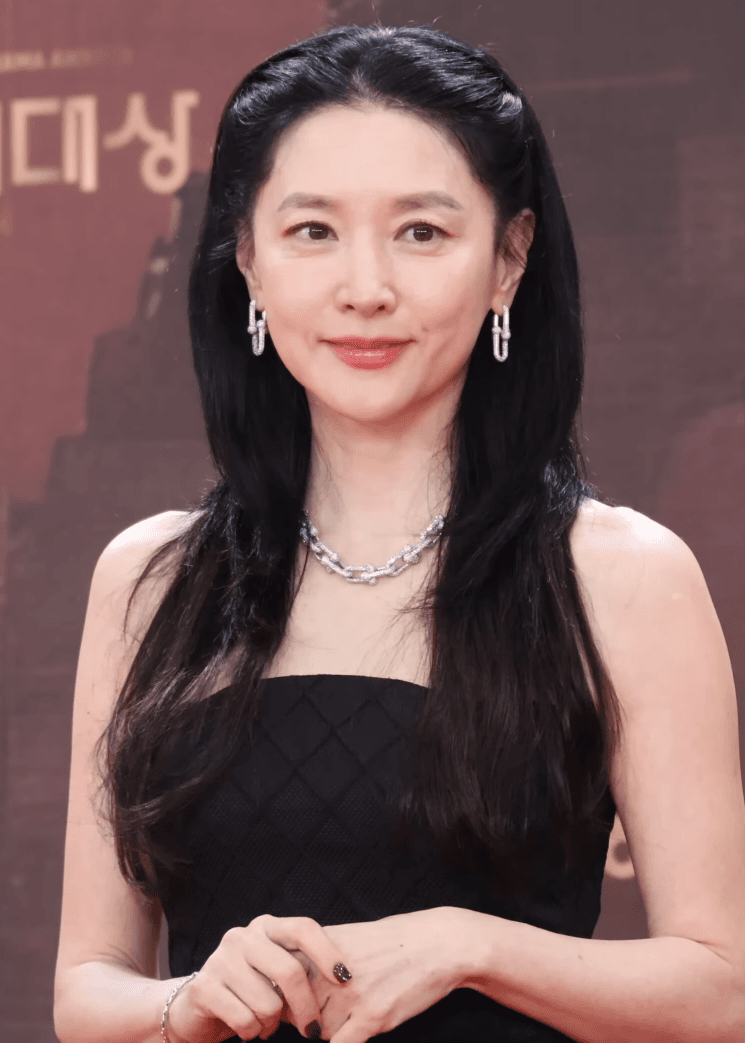
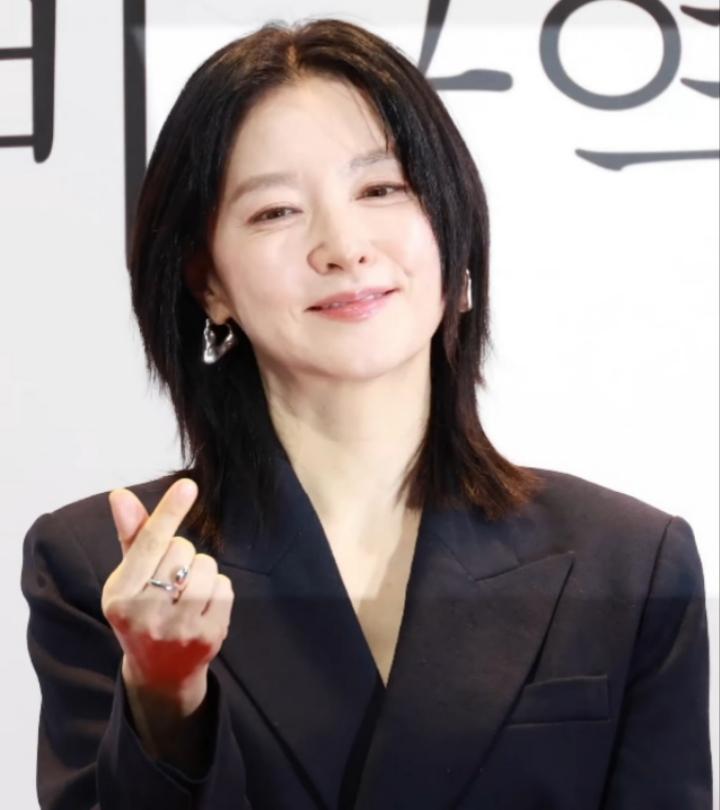
Lee Young-ae
Lee Young-ae (이영애) still functions like shorthand for Korean prestige screen acting because her career sits at the intersection of mass reach and exacting taste. She became one of the defining faces of the first Hallyu wave through Jewel in the Palace, then reinforced that scale with film work sharp enough to keep her relevant long after the early-2000s export boom cooled.
The breakthrough was not just about popularity. Jewel in the Palace averaged 46.3 percent viewership in Korea, peaked at 57.8 percent, and traveled to more than 90 markets, turning Lee into a pan-Asian star years before streaming globalized Korean drama. Films such as Joint Security Area, One Fine Spring Day, and Park Chan-wook's Sympathy for Lady Vengeance proved she could move between mainstream melodrama, auteur cinema, and psychologically colder material without losing audience pull.
Her later career has been selective rather than constant, which is part of why it carries weight. Long gaps never erased the demand. They made each return feel deliberate, whether through Inspector Koo, Maestra: Strings of Truth, or 2026 mystery romance Jae Yi's Young In, which reunites her with Yoo Ji-tae for the first time since One Fine Spring Day. That strategy protects the aura instead of diluting it through overexposure.
Gallery
티비텐 / CC BY 3.0