A Bathing Ape (BAPE)
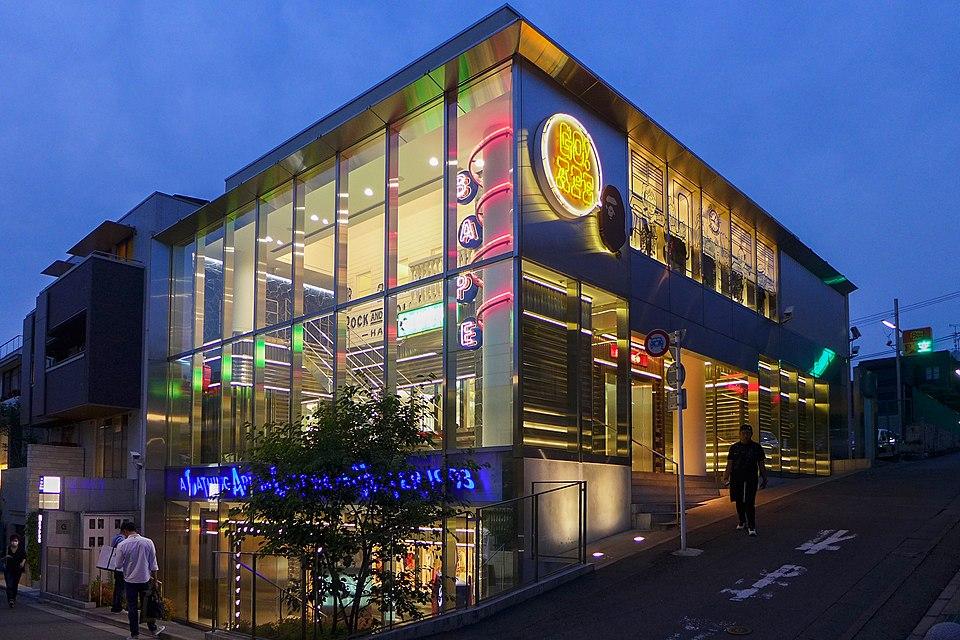
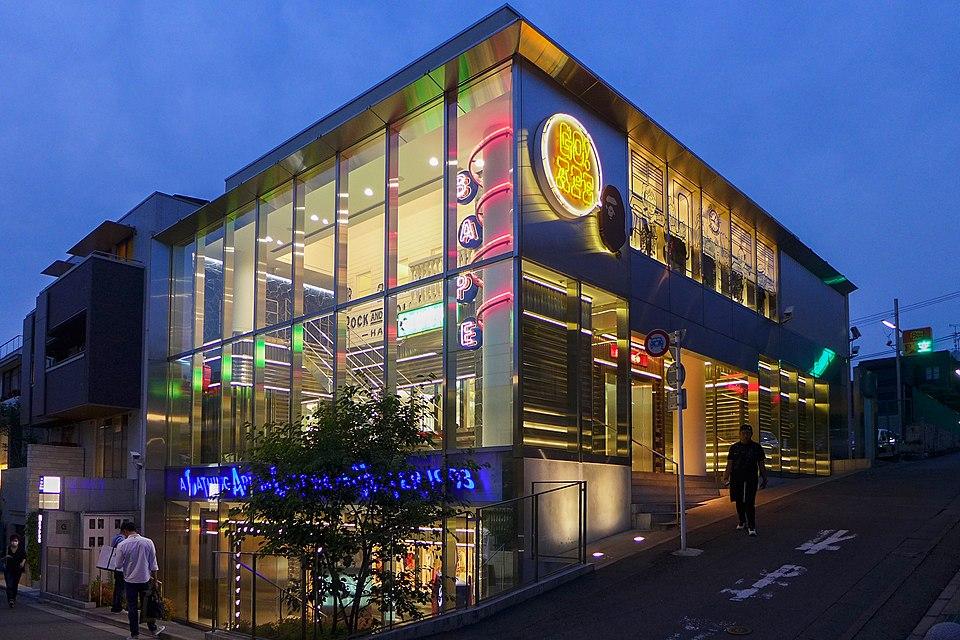
A Bathing Ape (ア・ベイシング・エイプ), better known as BAPE, is one of the foundational names in Japanese streetwear. Founded by Nigo in Tokyo's Ura-Harajuku scene in 1993, the label turned a tightly controlled local cult into a global shorthand for graphic excess, camouflage, sneaker obsession, and luxury-coded hype. The ape-head logo, Shark Hoodie, and Bapesta sneaker became era-defining signatures long before most fashion houses understood how streetwear would reshape the market.
BAPE's importance comes from timing and influence. It bridged Japanese street culture, early-2000s hip-hop visibility, and the limited-drop psychology that now drives huge parts of global fashion. Even after the 2011 sale to I.T Group and Nigo's eventual exit, the brand kept enough identity to remain culturally legible. It still trades on strong iconography, aggressive collaborations, and retail presence across Japan, Hong Kong, Seoul, and other key fashion cities.
That staying power matters in K-entertainment too. BAPE has remained visible in idol styling, Seoul retail culture, and crossover fashion moments involving artists like Jungwon and ENHYPEN. The appeal is simple: BAPE still signals fluency in streetwear history while carrying enough commercial weight to matter in the current luxury-fashion ecosystem, which is why the brand continues to show up in the same visual conversation as legacy hype labels and newer high-low fashion crossovers.
Gallery
Ambassadors & Partners
Fans Also Ask
Who founded BAPE?
What is BAPE known for?
Who owns BAPE now?
Is BAPE still important in streetwear?
Does BAPE have official social media?
Latest Articles
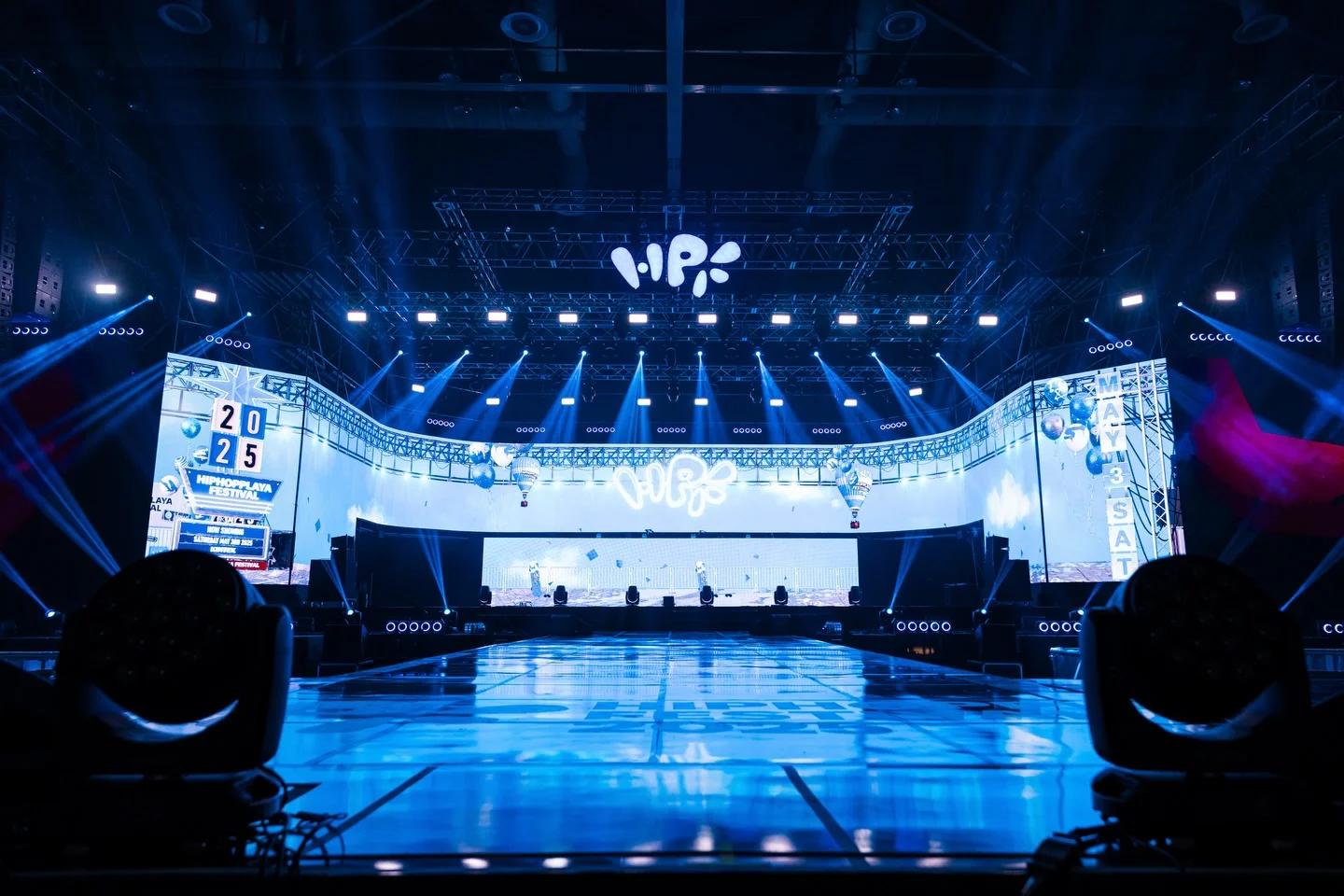
Hiphopplaya Festival 2026: Final Lineup Confirmed With Jay Park, Crush, Lee Young-ji, and More
Hiphopplaya Festival 2026 drops its complete lineup for May 2 at KINTEX: Jay Park x LNGSHOT, the full VVD crew (120 minutes), E Sens, Lee Young-ji, C Jamm x Black Nut, Lil Moshpit, and more.
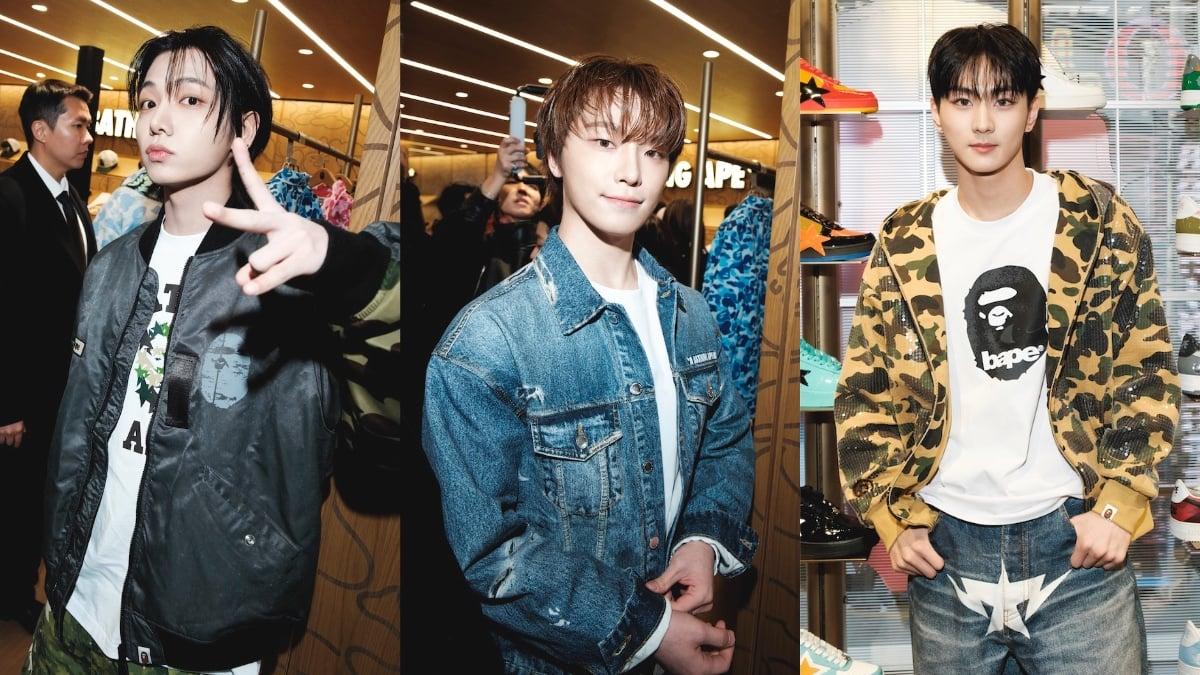
BAPE Opens Seoul Flagship with Star-Studded K-Pop Attendance
Japanese streetwear icon BAPE landed in Gangnam with a four-level flagship and a guest list that reads like a K-pop roll call: SEVENTEEN, ENHYPEN, BOYNEXTDOOR, and Sandara Park all showed up.