
The Pulse of K-Entertainment

Levi's
Fashion

Levi's

Levi's is one of the few fashion companies that still operates like a cultural shorthand. Founded in San Francisco in 1853 and responsible for the first riveted blue jeans in 1873, the brand turned workwear into a global style language, then kept that position by making denim feel permanent instead of seasonal. The 501 remains the reference product, but the larger business is really about keeping heritage commercially alive.

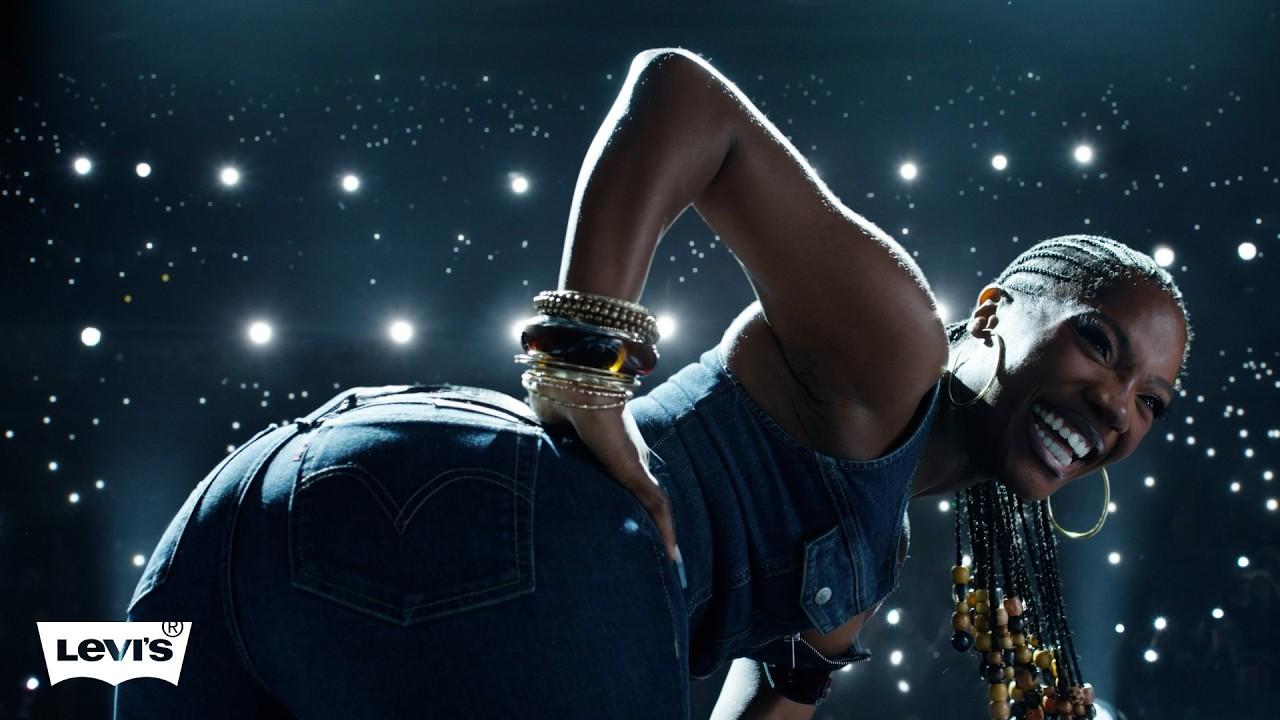
That is where the current music strategy matters. Levi's used the 2026 Behind Every Original campaign to frame itself less as a nostalgia house and more as an active culture brand, casting Rosé and Doechii in a global push that ran through Super Bowl weekend and the broader year-round marketing cycle. Rosé's presence matters because it places BLACKPINK's global fan economy directly inside one of denim's most established names.

The business underneath that campaign is still massive. Levi Strauss & Co. sells in more than 100 countries, operates as a publicly traded company, and has enough category authority that every new ambassador choice reads as a statement about where mainstream fashion attention is moving next. On HITKULTR, Levi's matters because it is not just a heritage logo. It is one of the clearest examples of an old American brand using K-pop star power to stay current at true global scale.

1 articleslevi.com

Gallery

Levi's "Behind Every Original" campaign with Rose and Doechii, Super Bowl 60, February 2026

Fans Also Ask

Has Levi's collaborated with K-pop artists?
Yes. Levi's has partnered with multiple K-pop artists and groups across its Asia Pacific and global campaigns. The brand has worked with acts including BTS, BLACKPINK's Lisa, and various K-pop-adjacent talent for brand activations, limited-edition collections, and festival campaigns in South Korea. Levi's maintains a strong presence at Korean music events and in K-pop fan culture through strategic ambassador partnerships.
What is Levi's 501 jeans and why are they iconic?
The Levi's 501 is the original and most iconic denim jean, patented on May 20, 1873, making it the first pair of blue jeans in history. Known for its straight cut, button fly, and shrink-to-fit denim, the 501 has remained virtually unchanged in silhouette for over 150 years. It has appeared in countless music videos, film, and fashion campaigns, and remains Levi's flagship product globally.
Where are Levi's products manufactured?
Levi Strauss & Co. sources and manufactures products through a global network of third-party suppliers primarily across Asia, including Bangladesh, Pakistan, Mexico, and other countries. The company does not manufacture in the United States at scale for commercial product, but maintains its headquarters and brand operations in San Francisco, California, where it was founded in 1853.
What is Levi's sustainability record?
Levi Strauss & Co. has introduced several sustainability initiatives, including its Water<Less manufacturing process, which reduces water use in the denim finishing process by up to 96% for some techniques. The company has also committed to climate targets including reducing greenhouse gas emissions and increasing use of more sustainable cotton through its Better Cotton sourcing program. Levi's also promotes clothing longevity through its Levi's SecondHand resale program.
Is Levi's publicly traded?
Yes. Levi Strauss & Co. went public on the New York Stock Exchange (NYSE) under the ticker symbol LEVI in March 2019, ending a 34-year run as a private company. Prior to the IPO, Levi's had been privately held by the Haas family, descendants of founder Levi Strauss, since 1985. The company has annual revenues exceeding five billion US dollars.

Latest Articles