Manchester City
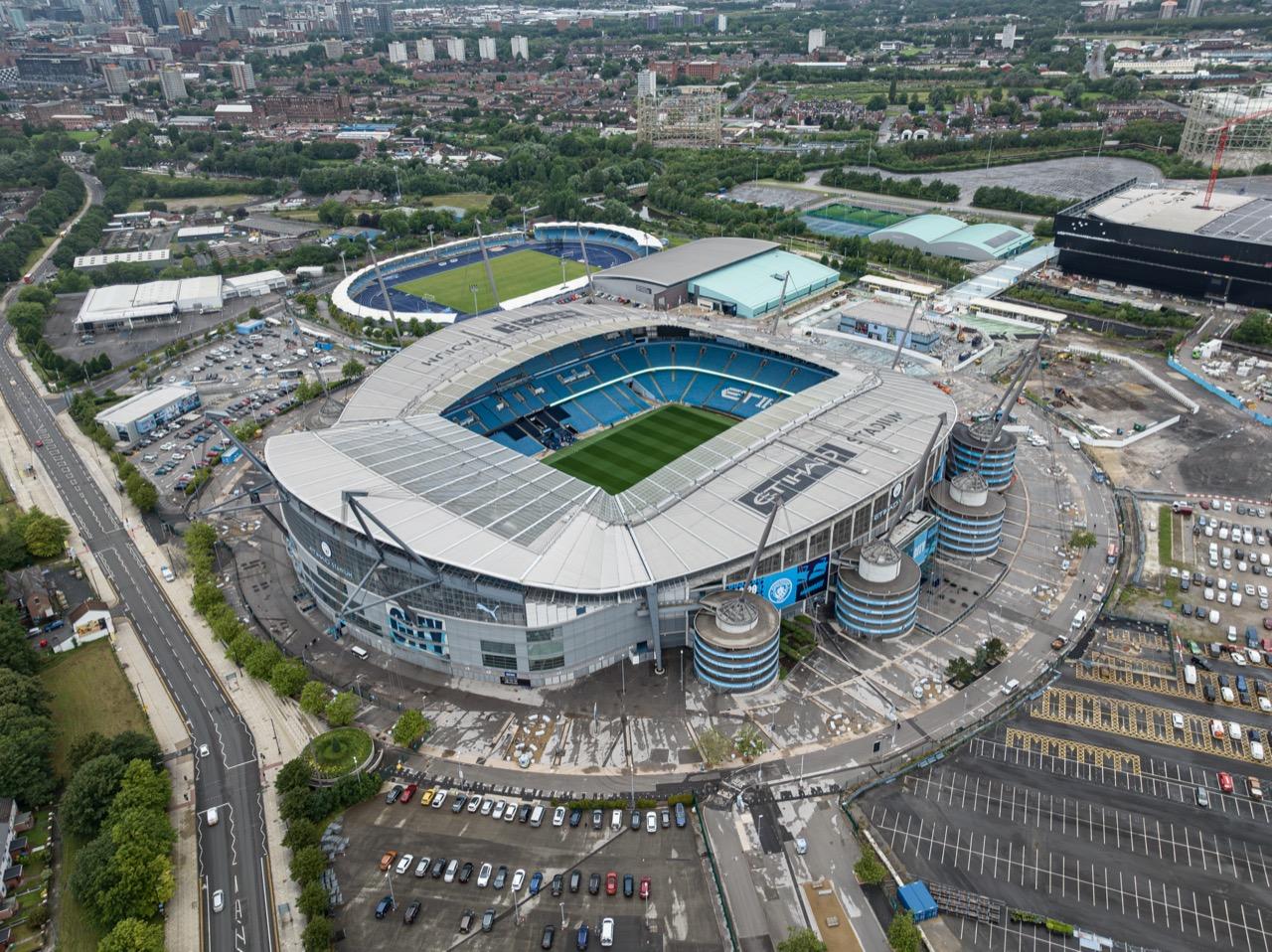
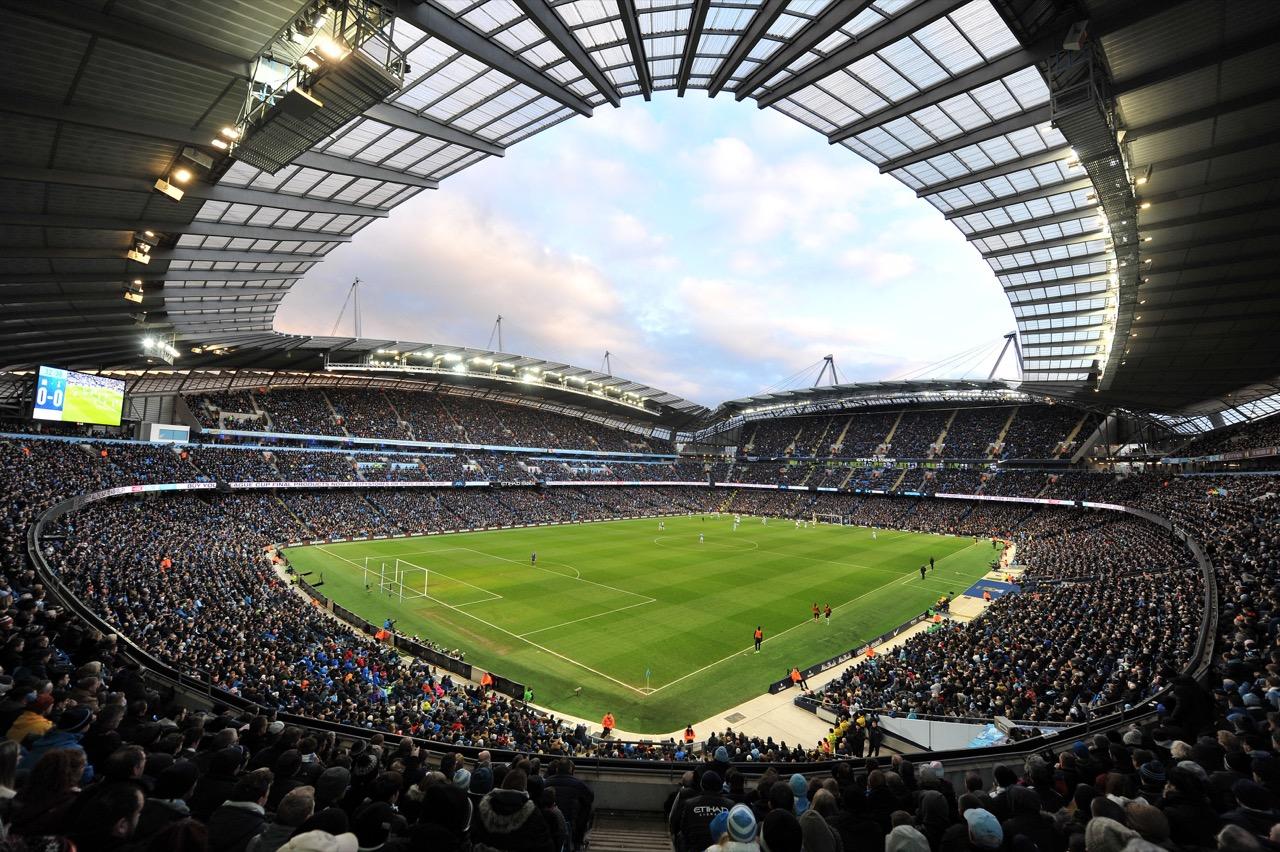
Manchester City is one of the most commercially dominant clubs in world football, but the brand now travels like entertainment IP as much as a team badge. Founded in 1880 and now operating out of the 61,000-seat Etihad Stadium, the club turned Abu Dhabi-era investment into a modern winning machine under Pep Guardiola, then converted that success into a global media footprint that extends far beyond matchday.
That scale matters in K-culture too. Manchester City has become a useful prestige asset for Korean platforms trying to turn sports rights into broader pop programming, most recently through a Seoul crossover that pulled RESCENE into a Coupang Play variety format tied to the club's Korea stop. For a rookie act managed by The Muze Entertainment, that kind of borrowed scale is exactly what makes the club relevant beyond football.
On the business side, Manchester City sits at the center of the wider City Football Group network and remains one of the richest clubs in the sport. Deloitte ranked City top of the Football Money League at the end of the 2021-22 season, while Forbes valued the club at $4.25 billion in 2022. The team is still defined by silverware, but the real story is how efficiently that success now converts into global cultural reach.
Gallery
Ambassadors & Partners
Fans Also Ask
When was Manchester City founded?
Who owns Manchester City?
Why was Manchester City part of a RESCENE and Coupang Play crossover?
Latest Articles
No articles about Manchester City yet
Check back soon for the latest coverage.