
The Pulse of K-Entertainment

Ray-Ban
Fashion

Ray-Ban

Ray-Ban is one of the few accessories brands that still reads like cultural infrastructure instead of just product. Founded in 1937 and now operating under EssilorLuxottica, the label built its authority through frames like the Aviator and Wayfarer, then turned those silhouettes into permanent fixtures across film, music, sport, and luxury fashion. It sits in that rare tier where a product name can function like visual shorthand.

That legacy matters in K-culture because eyewear brands rarely cut through at a truly global level unless they carry both design history and modern campaign relevance. Ray-Ban still has both. Its heritage business remains tied to classic optical and sunglass icons, but the label has also kept itself current through the Ray-Ban Meta line, an EssilorLuxottica and Meta collaboration that pushed the brand deeper into consumer-tech conversation without abandoning the core fashion identity that made it valuable in the first place.

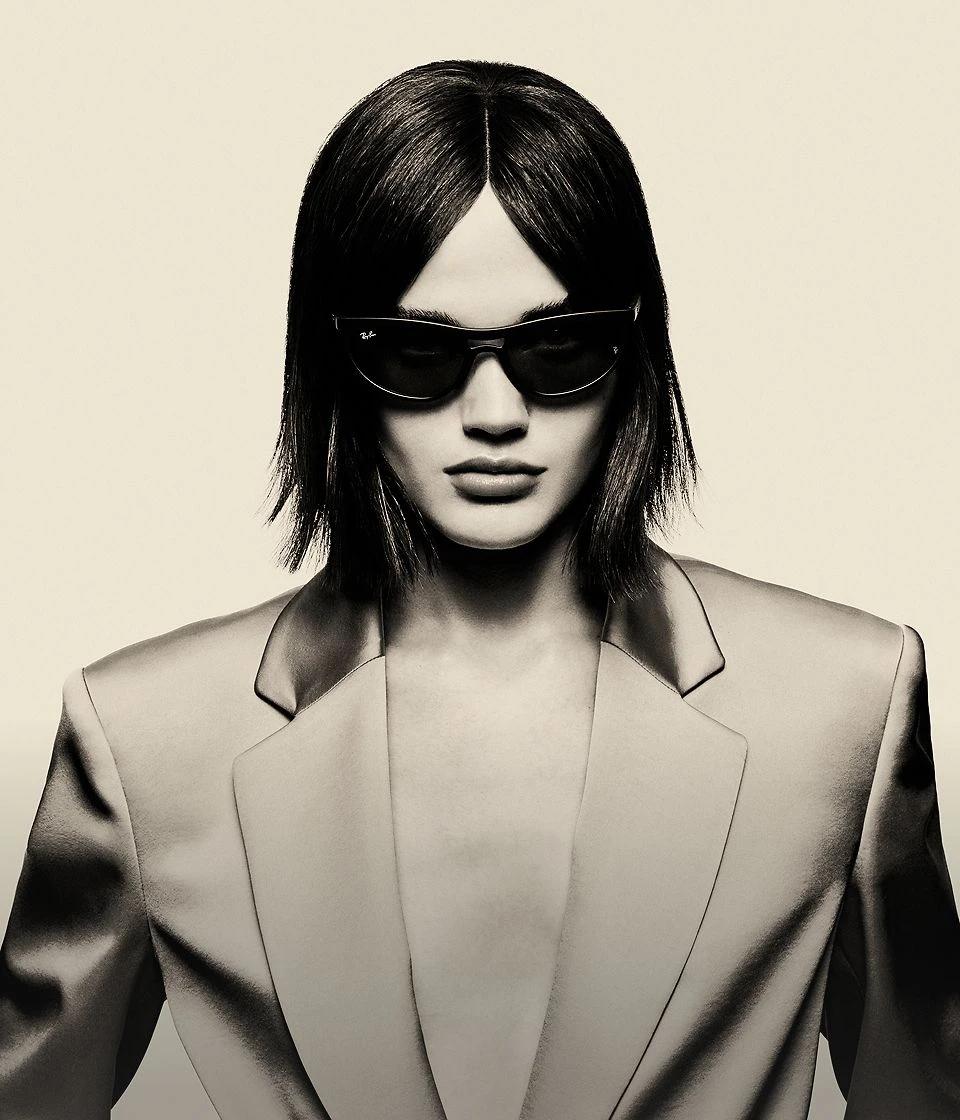
Its April 2026 partnership with Jennie sharpened that positioning for a younger global audience. Ray-Ban did not just pick a celebrity with reach. It chose one of fashion's most influential K-pop figures, someone whose personal style already moves product and image cycles across luxury, beauty, and streetwear at once. That made the campaign feel commercially obvious in the best way. It linked a heritage eyewear giant to a star who can still make classic frames feel current rather than archival.

On HITKULTR, Ray-Ban matters less as a generic retail brand and more as a crossover player. Its relationship to EssilorLuxottica ties it into one of the biggest eyewear groups in the world. Its Jennie partnership gives it direct K-pop relevance. And its continued push through smart glasses proves the company is not living on old iconography alone.

1 articlesray-ban.com

Gallery

Ambassadors & Partners

2026
Ray-Ban Global Brand AmbassadorEndorsement
Global Brand AmbassadorJennieArtist

Fans Also Ask

Who owns Ray-Ban?
Ray-Ban is owned by EssilorLuxottica, the global eyewear group created through the merger of Essilor and Luxottica. Within that portfolio, Ray-Ban is one of the company's most important labels, sitting alongside other major names in optical retail and premium eyewear while keeping its own distinct heritage identity.
When was Ray-Ban founded?
Ray-Ban was founded in 1937. The brand first gained recognition through the Aviator frame developed for US military pilots, then expanded into broader fashion and pop-culture territory through styles like the Wayfarer and Clubmaster. Those products helped turn Ray-Ban into one of the most enduring names in eyewear.
What are Ray-Ban's most iconic frames?
Ray-Ban's best-known frames include the Aviator, Wayfarer, and Clubmaster. Those silhouettes became category-defining because they moved beyond eyewear utility and into film, music, and street-style culture. Even as Ray-Ban adds newer lines, those core shapes still anchor the brand's image and commercial strength.
What is Ray-Ban Meta?
Ray-Ban Meta is the smart-glasses line developed through the partnership between Ray-Ban's parent group EssilorLuxottica and Meta. The project keeps Ray-Ban inside the wearable-tech conversation while still leaning on the brand's fashion credibility, making it one of the clearest attempts to merge eyewear heritage with mainstream consumer technology.
Is Jennie a Ray-Ban ambassador?
Yes. Ray-Ban named Jennie its global brand ambassador in April 2026. The move gave the label a sharper K-pop and luxury-fashion link at a moment when Jennie remained one of the most commercially powerful style figures in Korean pop culture, making the partnership highly visible across both fashion media and fan ecosystems.

Latest Articles