
Spotify
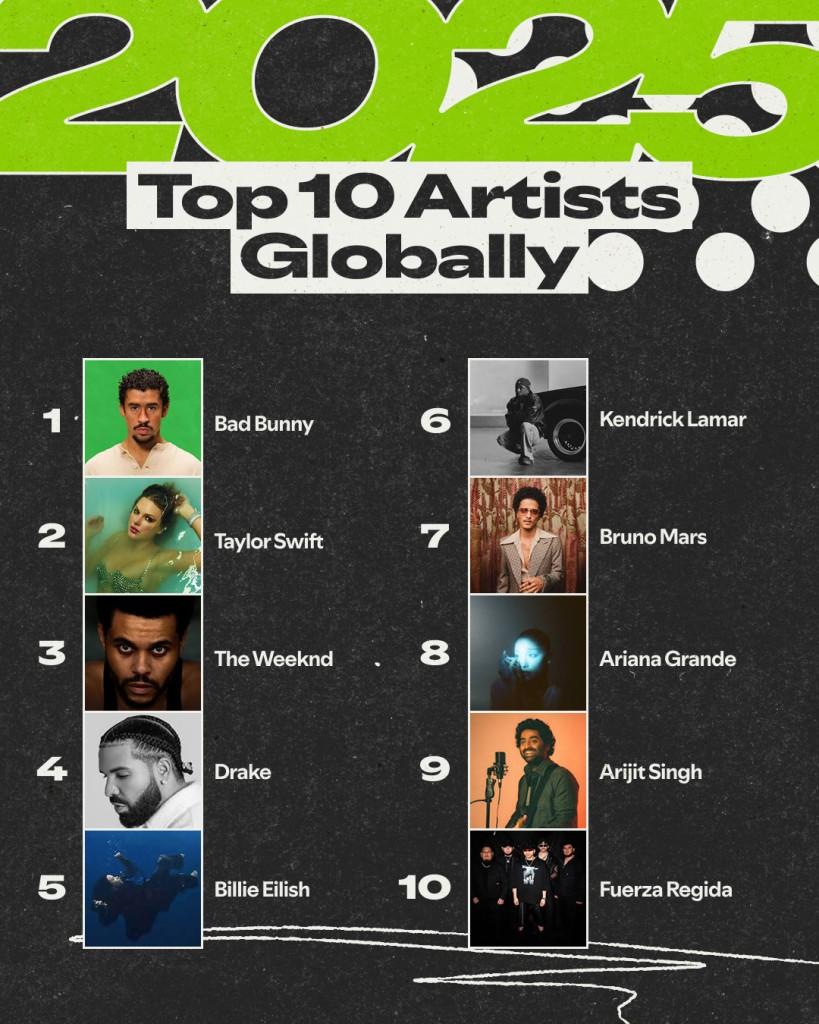
Spotify turned music streaming from a piracy-era workaround into the default listening infrastructure for the global industry. Founded in Stockholm in 2006 and launched publicly in 2008, the platform built its scale on a freemium model that made convenience, recommendation, and infinite catalog access feel normal long before labels were fully comfortable with what that shift would do to artist economics.
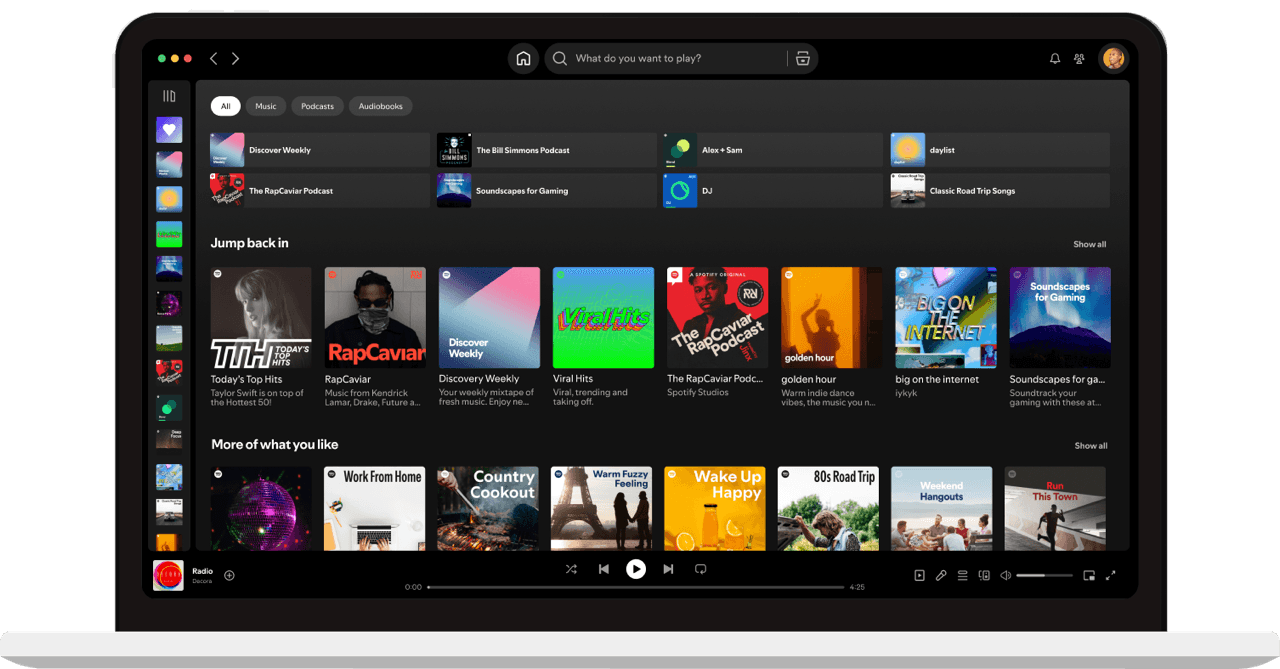
It now sits at the center of how pop moves. Spotify's editorial playlists, algorithmic recommendation systems, and yearly Wrapped campaigns do not just reflect listening habits. They actively shape the conversation around what is rising, what travels, and which artists have managed to convert fandom into repeatable global demand. That leverage has made the company indispensable to labels and regularly controversial to artists at the same time.
For K-pop, Spotify has become both a scoreboard and a distribution layer. BTS, BLACKPINK, Stray Kids, and TOMORROW X TOGETHER have all turned the platform into part of their global scale story, while in March 2026 Spotify deepened its tie to HYBE through a video podcast partnership designed to bring HYBE artists and fandom culture closer to the platform's audio-first ecosystem. That move made clear Spotify is no longer just hosting K-pop demand. It is trying to program against it.
Gallery
Ambassadors & Partners
Fans Also Ask
How many users does Spotify have?
Who founded Spotify?
Is Spotify free to use?
What is Spotify's 2026 partnership with HYBE?
Why does Spotify matter so much in K-pop?
Latest Articles

i-dle Lands on Forbes 30 Under 30 Asia List for 2026
i-dle made Forbes' 2026 30 Under 30 Asia list, turning its rebrand, streaming scale, and million-selling momentum into a broader business signal.

Hearts2Hearts Just Turned Lemon Tang Into a Real Rookie Repeat Test
Hearts2Hearts returns with Lemon Tang on June 22, turning the SM rookie group's next comeback into its clearest proof-of-repeat test yet.

Kim Chaewon Pauses LE SSERAFIM Activities Ahead of PUREFLOW
Kim Chaewon is stepping back from LE SSERAFIM activities after neck pain, forcing Source Music to reshape the opening stretch of the group's PUREFLOW pt. 1 comeback week.
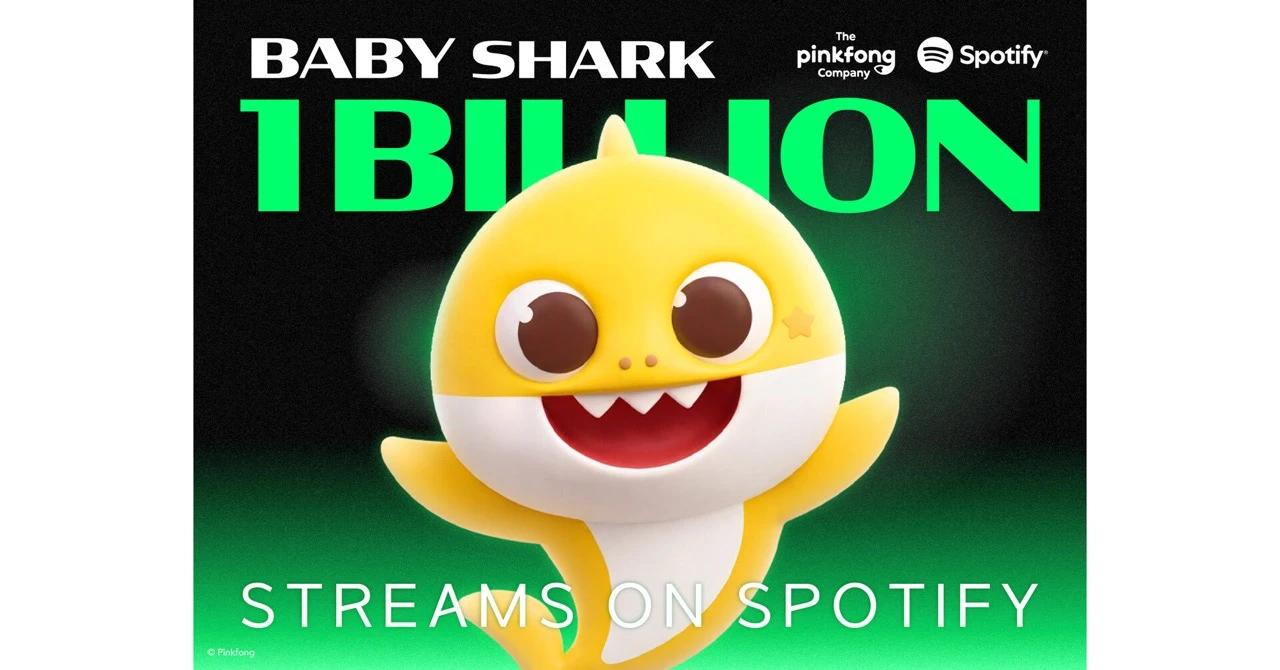
Baby Shark Hits 1 Billion Spotify Streams, Giving Pinkfong a Rare Global IP Win
Baby Shark just became Spotify's first 1 billion-stream children's song and first character-driven IP in the Billions Club. For Pinkfong, that is more than a viral throwback. It is proof that a Korean family franchise can keep compounding like elite global pop.

BTS "Life Goes On" Crosses 1 Billion Spotify Streams
BTS's "Life Goes On" hit 1 billion cumulative streams on Spotify as of March 21, 2026, making it the sixth BTS track to reach the milestone.

HYBE and Spotify Partner on Global K-Pop Video Podcast Channel
HYBE and Spotify have announced a global partnership to launch an original K-pop video podcast channel on the streaming platform. The first show debuts March 23, 2026.