
The Korea Society
The Korea Society is a New York nonprofit founded in 1957 to strengthen the relationship between the United States and Korea. That long institutional history matters, but the brand is more useful on HITKULTR when read through what it does now: it runs a live mix of policy forums, arts-and-culture programming, educational initiatives, and public-facing Korea literacy for audiences far beyond the peninsula.
The society's own overview positions arts and culture as a major pillar alongside policy and education. Its programming spans exhibitions, films, literature, cuisine, and dedicated performing-arts events, while the wider site shows a calendar structure built for recurring engagement rather than occasional headline moments. That makes The Korea Society a durable overseas infrastructure brand for Korean culture, not just a nonprofit with a legacy name.
It also helps explain why organizations tied to cultural access and export strategy keep surfacing around it. When Korean stage work, film conversations, or K-pop-adjacent programming travel abroad, institutions like The Korea Society show where real sustained audience-building happens. In that sense it sits in the same broader ecosystem as public-facing culture operators such as the Korea Tourism Organization and technology-forward access projects like Smart Theater, even though its model is nonprofit rather than platform-first.
Gallery
Fans Also Ask
What is The Korea Society?
What kinds of programs does The Korea Society run?
Does The Korea Society present Korean performing arts?
Why does The Korea Society matter for Korean culture abroad?
Latest Articles

Disney's Frozen Sets Its Korean Premiere Cast for Seoul
Disney's Frozen has unveiled its Korean premiere cast for Seoul, with triple cast Elsa and Anna leads fronting a 47 performer company at Charlotte Theater.
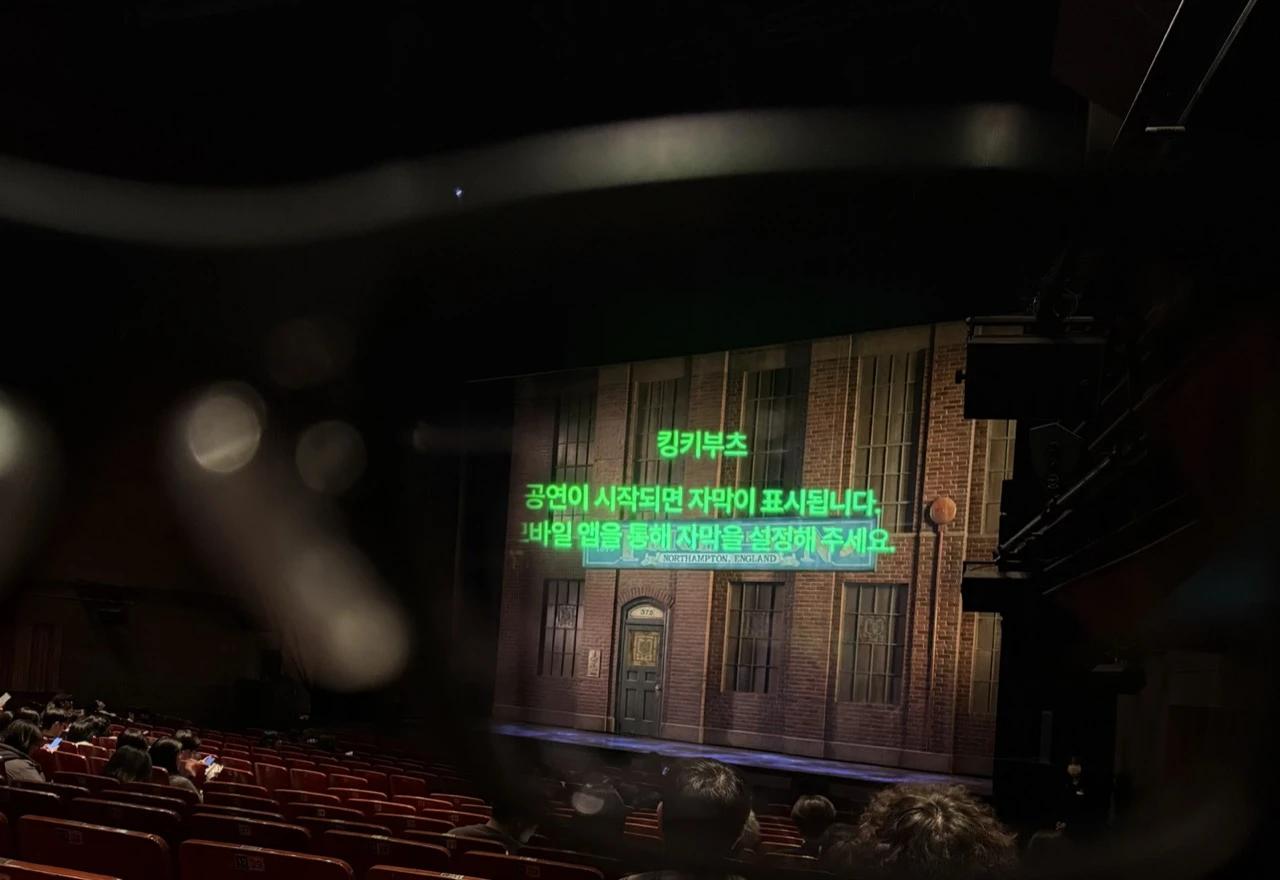
AI Subtitle Glasses Are Giving Korean Musicals a Real Global Access Play
AI subtitle glasses have moved into real Seoul theater use, giving Korean musicals a more scalable way to reach tourists and non-Korean-speaking fans without breaking immersion.