Share This Article
AI Subtitle Glasses Are Giving Korean Musicals a Real Global Access Play
AI subtitle glasses have moved into real Seoul theater use, giving Korean musicals a more scalable way to reach tourists and non-Korean-speaking fans without breaking immersion.
May 4, 2026
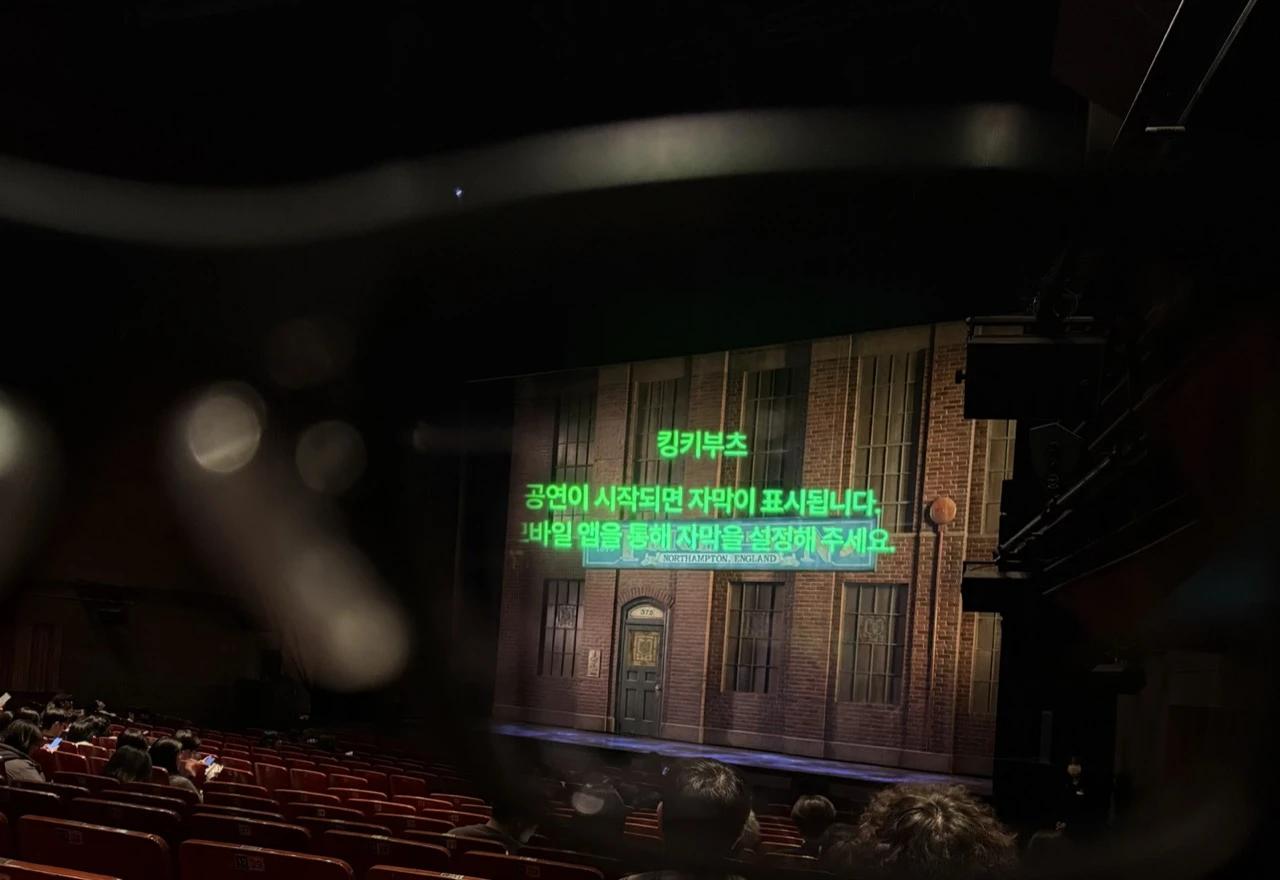
Korean musicals are starting to solve one of the Korean wave's last stubborn bottlenecks inside the venue itself. AI subtitle glasses backed by the Korea Tourism Organization's Smart Theater program moved from festival-scale showcase to real commercial use in Seoul by early 2026, letting foreign visitors read dialogue and lyrics in their line of sight instead of glancing at side screens. According to The Korea Times' January 14 report, the service was already available to general audiences at major venues including Charlotte Theater's run of Kinky Boots, while The Korea Herald's September 2025 coverage had already framed Smart Theater as a government-backed tourism play. That shift matters because Korean stage producers do not have a content problem. They have a language-access problem. If K-pop taught the world to stream in Korean and K-dramas taught viewers to binge with subtitles, live theater now wants its own friction-light entry point.
Smart Theater has already moved beyond pilot mode
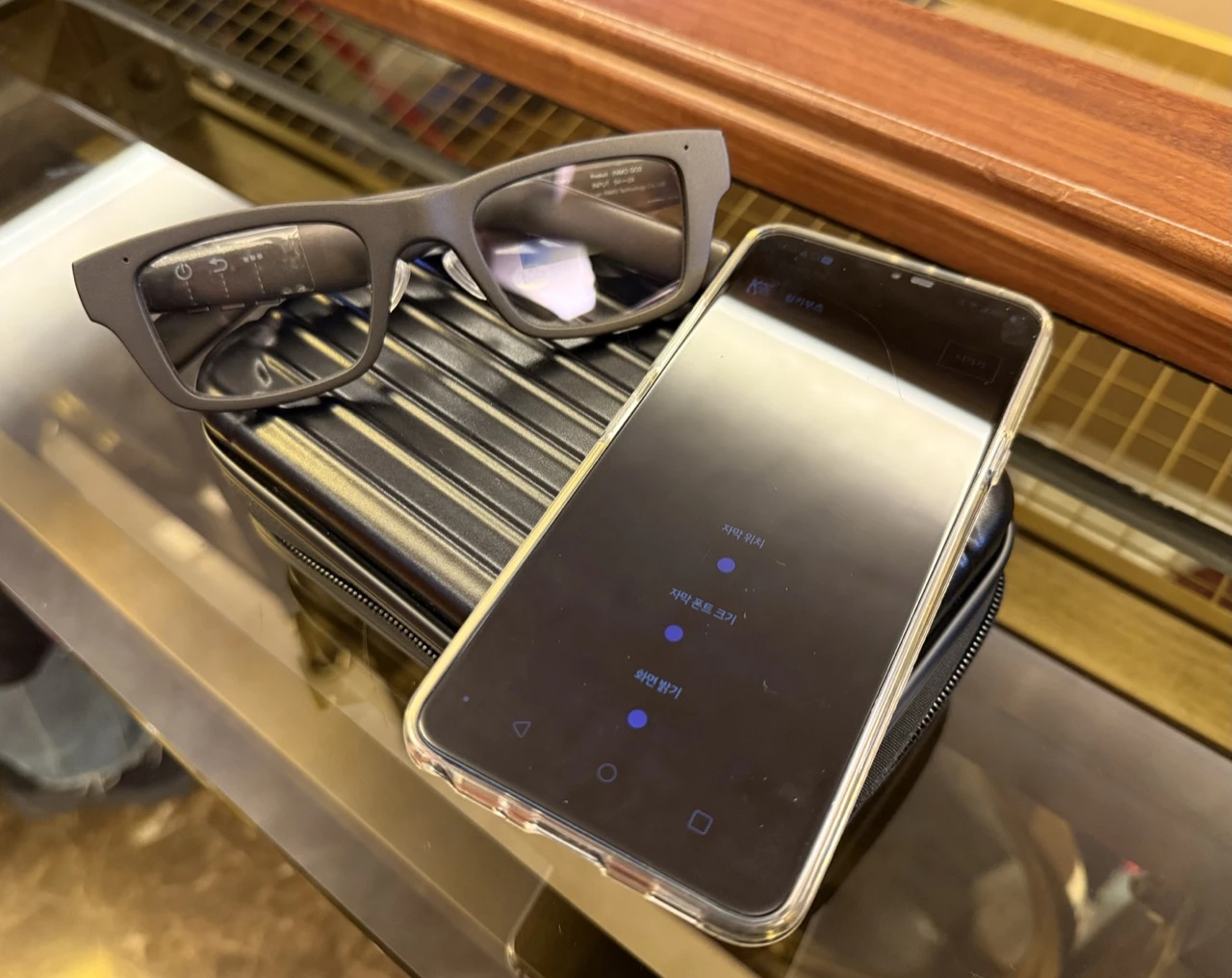
Smart Theater is already operating like real audience infrastructure, not a clever demo. According to Korea JoongAng Daily, theatergoers can rent the glasses in the lobby, watch hologram-like captions appear directly in their field of vision, and follow both spoken lines and song lyrics in real time as the system recognizes actors' voices. The Korea Times added that current language options include English, Japanese, simplified Chinese, and traditional Chinese, with a Korean caption mode that also helps audience members with hearing impairments. That is a smarter fix than the old side-screen setup because musicals punish split attention. If a punchline lands while your eyes are offstage, the scene loses half its force. For a production like CJ ENM's Kinky Boots at Charlotte Theater, which depends on timing, dialogue, and swagger as much as songs, keeping the text inside the viewer's sightline is the whole point. The reported rental price of 15,000 won, or about $10, also feels consumer-friendly enough to test at scale.
This matters because Korean musicals already have export momentum
Korean theater's export ceiling has always been less about quality than discoverability. We argued in our recent look at Korean musicals going global that the pipeline for original stage IP is getting stronger, but those shows still need a cleaner way to meet travelers and first-time overseas fans. According to Digital Trends, Korea Tourism Organization support helped productions use the glasses in Seoul and at select overseas showcases, which is exactly why this story feels bigger than one clever rental device. Even The Korea Society's performing arts programming reflects real overseas curiosity around Korean stage culture. The missing layer has been in-room accessibility. If audiences can keep their eyes on the performers and still catch the text, Korean musicals become easier to sell as a live tourism experience instead of a niche bet for fluent speakers only.
The real test is whether producers keep paying once the subsidy fades
A subsidy can launch a habit, but it cannot prove a market on its own. According to The Korea Times, XpertINC is now preparing about 40 to 50 pairs per performance for some productions, while Project Jiwoo chief executive Hwang Ki Hyun argued that overseas audiences increasingly want Korean performances in the original language rather than flattened into English-only remakes. That is the smartest part of this rollout. The upside is not simply translation. It is preservation. If XpertINC keeps improving timing and accuracy, Korean musicals can stay Korean onstage while becoming more legible to tourists, diaspora audiences, and curious first-timers. That is a much more scalable export model than pretending language itself has to be erased. Korean theater does not need its own Broadway clone. It needs better access plumbing, and Smart Theater looks like the first serious version of that.