
Brand
University of Oxford
The University of Oxford is the oldest university in the English-speaking world and one of the few academic brands whose name still signals global cultural authority on its own. That weight matters in entertainment coverage because Oxford does not move like a trend-chasing institution. When it expands a field, it usually does so through long-horizon infrastructure, not short-cycle hype.
That is why Oxford's 2026 move around Korean studies carries real significance. The planned Oxford Centre for Korean Studies positions Korea-focused language, politics, history, and culture work inside one of the world's most influential humanities ecosystems. It reframes Korean studies as a durable academic lane, not a passing pop-culture spike.
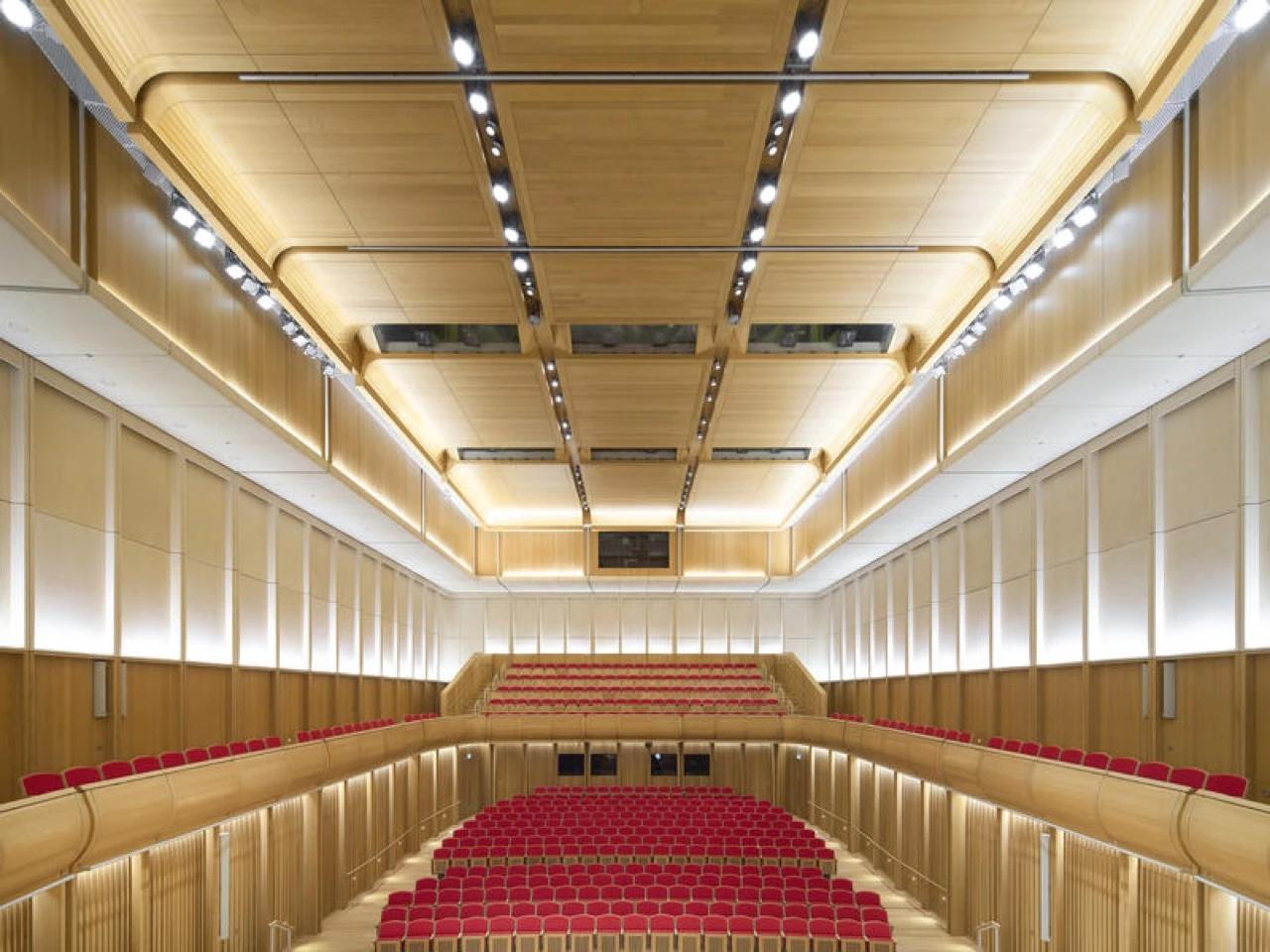
Oxford's broader public-facing humanities push, including the Schwarzman Centre era, only sharpens that signal. The university remains a prestige institution first, but it is also expanding how scholarship meets audiences, which is exactly why its Korea-facing moves resonate beyond campus news.
1 articlesox.ac.uk
Gallery
Fans Also Ask
What is the University of Oxford best known for?
The University of Oxford is best known as the oldest university in the English-speaking world and one of the most influential research institutions anywhere in higher education. Its reputation spans the humanities, sciences, politics, and public life, with especially strong global visibility in history, literature, philosophy, and area studies.
Why is Oxford expanding Korean studies?
Oxford is expanding Korean studies because demand now reaches well beyond language electives or pop-culture curiosity. By backing the planned <a href="/brands/oxford-centre-for-korean-studies">Oxford Centre for Korean Studies</a>, the university is giving Korean language, politics, culture, and history a clearer institutional home inside one of the world's most influential academic systems.
Does Oxford have a major new humanities hub?
Yes. Oxford has been building out a stronger public-facing humanities identity through the Schwarzman Centre era, which brings research, performance, and exhibition space into one flagship setting. That broader push helps explain why its Korea-focused academic expansion carries cultural weight outside the university itself.