Share This Article
Oxford Is Launching a Korean Studies Centre. Hallyu Gets Academic Weight
Oxford University plans to launch the Oxford Centre for Korean Studies as early as October, turning Hallyu's academic momentum into permanent infrastructure at one of the world's most influential universities.
April 27, 2026
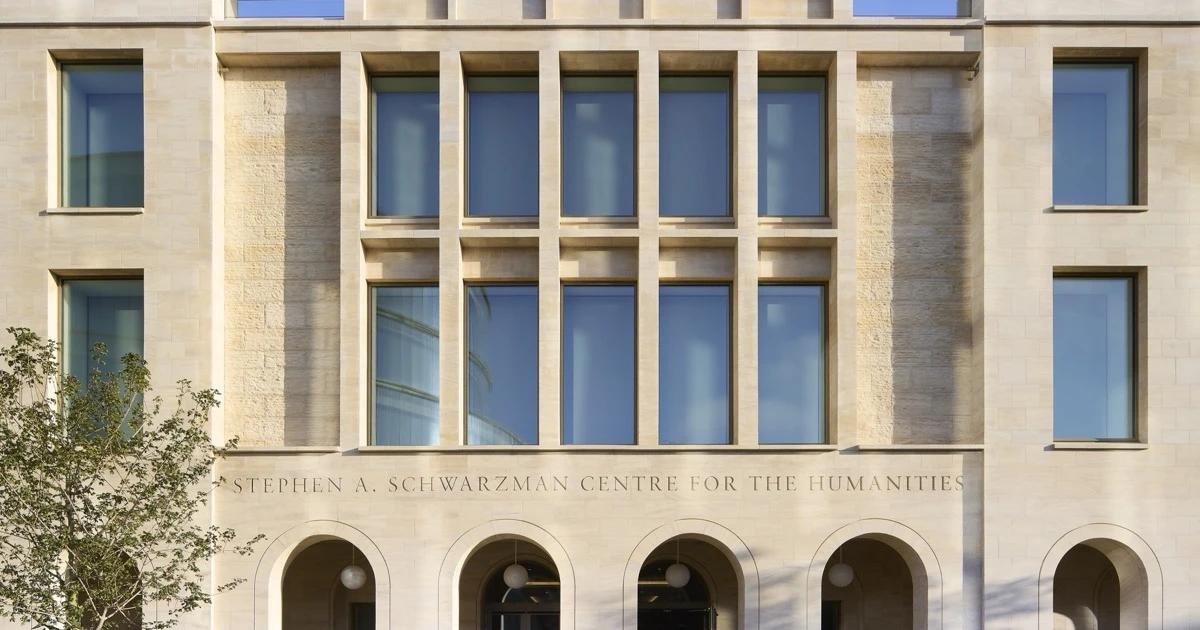
Oxford University plans to launch the Oxford Centre for Korean Studies as early as October 2026, with the announcement tied to the April 25 public opening of the Stephen A. Schwarzman Centre for the Humanities, according to Yonhap’s April 25 report. That is more than symbolic timing. It places Korean studies inside one of Oxford’s biggest new humanities investments instead of leaving the field as a side program hidden inside a department. Oxford already teaches Korean language, history, and culture across its existing academic structure, but a dedicated centre gives that work a clearer public face, a stronger research base, and a better shot at long-term institutional momentum. In a year when Hallyu keeps proving its economic and diplomatic reach, Oxford is effectively saying Korean politics, language, literature, and culture deserve the same permanent infrastructure the university already built for neighboring East Asian fields.
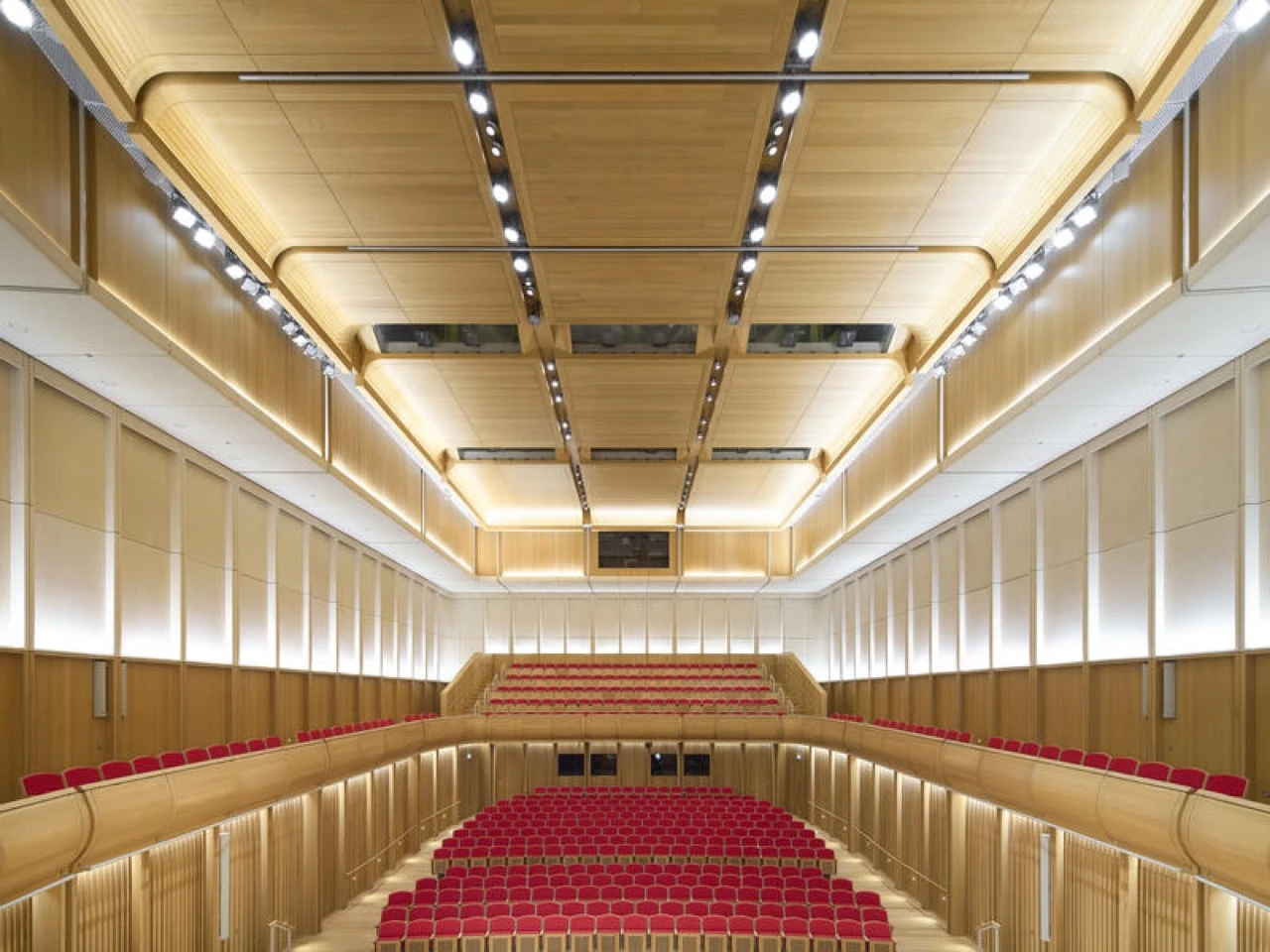
The initiative is being led by Jieun Kiaer, James Lewis, and Chi Young-hae, and Yonhap reported that Oxford faculty gave the centre final approval in March. According to Oxford’s Korean studies team, the new centre will oversee Korea-related research and lectures while expanding work in modern Korean politics, the economy, literature, culture, language, and history. Oxford’s Humanities Division has already framed the Schwarzman Centre as a public-facing arts and research hub with performance, exhibition, and teaching space opening to the public this month. That matters because the Korean studies launch is arriving through one of Oxford’s biggest new humanities investments, not as a quiet administrative reshuffle inside one department.
Oxford is treating Korean studies as a permanent field, not a pop-culture spike
Oxford is adding the Korean studies centre after establishing dedicated centres for Japanese studies in 1981 and Chinese studies in 2008, according to Yonhap and Korea JoongAng Daily, so the timing reads less like trend-chasing and more like institutional catch-up. That distinction matters. Universities do not build named centres because one drama went viral or one idol group sold out stadiums. They do it when they believe a field will keep producing language learners, research output, cultural capital, and policy relevance for decades. Yonhap also reported that Oxford faculty approved the centre in March, which means the project cleared internal academic scrutiny before the public opening of the Schwarzman Centre. Oxford is not inventing global interest in Korea here. It is giving that demand a permanent, elite academic structure that can outlast the normal hype cycle around entertainment.
This matters because Hallyu now lands in boardrooms, governments, and universities at once
Hallyu is no longer moving through entertainment alone. It is moving through economics, diplomacy, and now higher education at the same time. We have already tracked that wider reach in our report on K-pop's diplomatic power and in our IFPI analysis of album-market dominance. Oxford's move adds a different kind of validation. It says Korea's global relevance is durable enough to justify dedicated research infrastructure in one of the world's most influential universities. Kiaer also stressed, according to Yonhap, that English-language scholarship is essential to the long life of Korean cultural research. That point hits. Fandom can create velocity, but universities create archives, syllabi, conferences, and the kind of scholarship that keeps a subject legible long after the hype cycle moves on.
What to watch next at Oxford
The practical next step is whether Oxford turns this centre into a real public platform rather than a prestige label. The university has already confirmed via its official Humanities Division announcement that the Schwarzman Centre is designed as a public-facing humanities campus with performances, exhibitions, teaching space, and global cultural programming. If the Oxford Centre for Korean Studies plugs into that machinery properly, it could become one of the most visible academic homes for Korea-focused work in Europe. As reported by Yonhap, the centre is expected to launch as early as October. That gives Oxford a short runway to prove this is more than symbolic applause for Hallyu. The bigger win would be turning Korean studies into a durable part of the university's public intellectual life.