Share This Article
The King's Warden Is Making Audiences Review-Bomb a 500-Year-Old King's Tomb
A $6.9 million Korean historical drama has crossed $39 million at the box office, sparked a nationwide review-bombing campaign against a 500-year-old king's tomb, and turned a remote mountain county into a pilgrimage destination.
HITKULTR
February 24, 2026
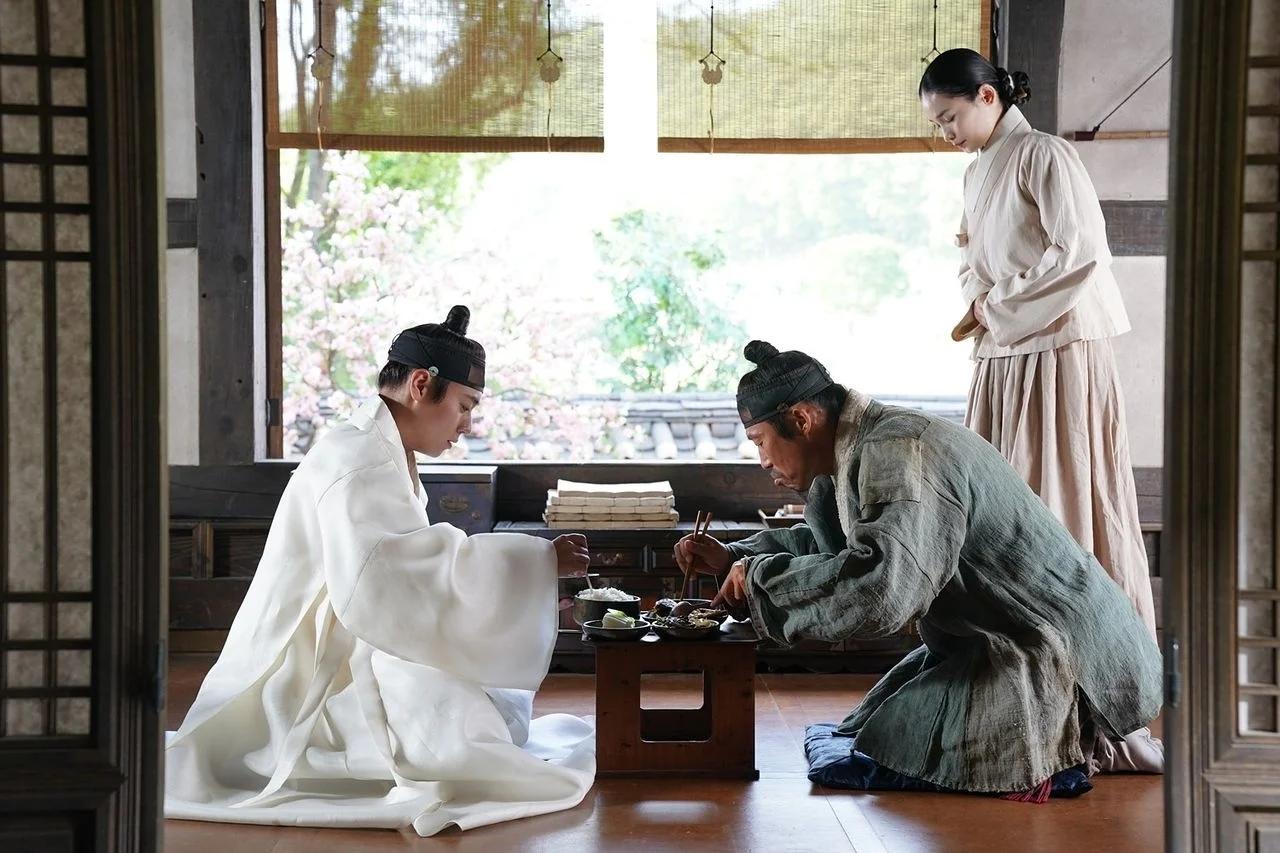
The King's Warden turned a mid-budget Korean historical drama into one of 2026's clearest box office events, opening with $6.4 million and holding the top spot through late February, according to Variety's Korea box office reports and KOBIS tracking. The film's theatrical run then kept climbing, later crossing 13 million admissions and then 15 million, as reported by Variety in March. That commercial surge explains why the conversation around director Jang Hang-jun's film quickly spread beyond cinephiles. A Joseon-era tragedy about King Danjong became a nationwide talking point, a tourism driver for Yeongwol, and one of the rare sageuk titles that pulled younger moviegoers into a story they already knew from school but had not felt this viscerally in years. We also rarely see a period film turn textbook history into this level of contemporary public behavior.
What made the film feel bigger than a normal hit was the emotional spillover. According to The Korea Herald, local landmarks tied to King Sejo and Han Myeonghoe were hit with angry map reviews from viewers still carrying the film's grief out of the cinema. That reaction is unusual even by Korea's standards for historically charged releases, and it helps explain why the movie stopped behaving like a prestige period piece and started functioning like a public mood. The box office numbers matter, but the cultural aftershock matters more. Audiences were not just buying tickets. They were re-litigating a 15th-century betrayal in real time, turning a schoolbook chapter into a live social conversation that spilled into tourism, local history, and online reputation platforms. That is when a hit stops being commercial and starts becoming cultural infrastructure.
The Box Office Run Was Not a Fluke
Variety reported that The King's Warden topped the South Korean box office in its opening weekend, then kept control through the week of February 16 to 22 with 73.76% of total weekend revenue share. That level of dominance is not normal for a period drama, which is why the film immediately registered as an outlier rather than a respectable specialist hit. By early March, The Korea Herald noted that the release was nearing 10 million admissions, and Variety later confirmed it had moved past 13 million and then 15 million. Those figures matter because they shift the movie out of the prestige lane and into modern-event territory. A sageuk with mass pull is still a special thing in Korea's theatrical market, especially after years of industry anxiety around what can still get audiences off the couch.
Why the Story Hit a Nerve
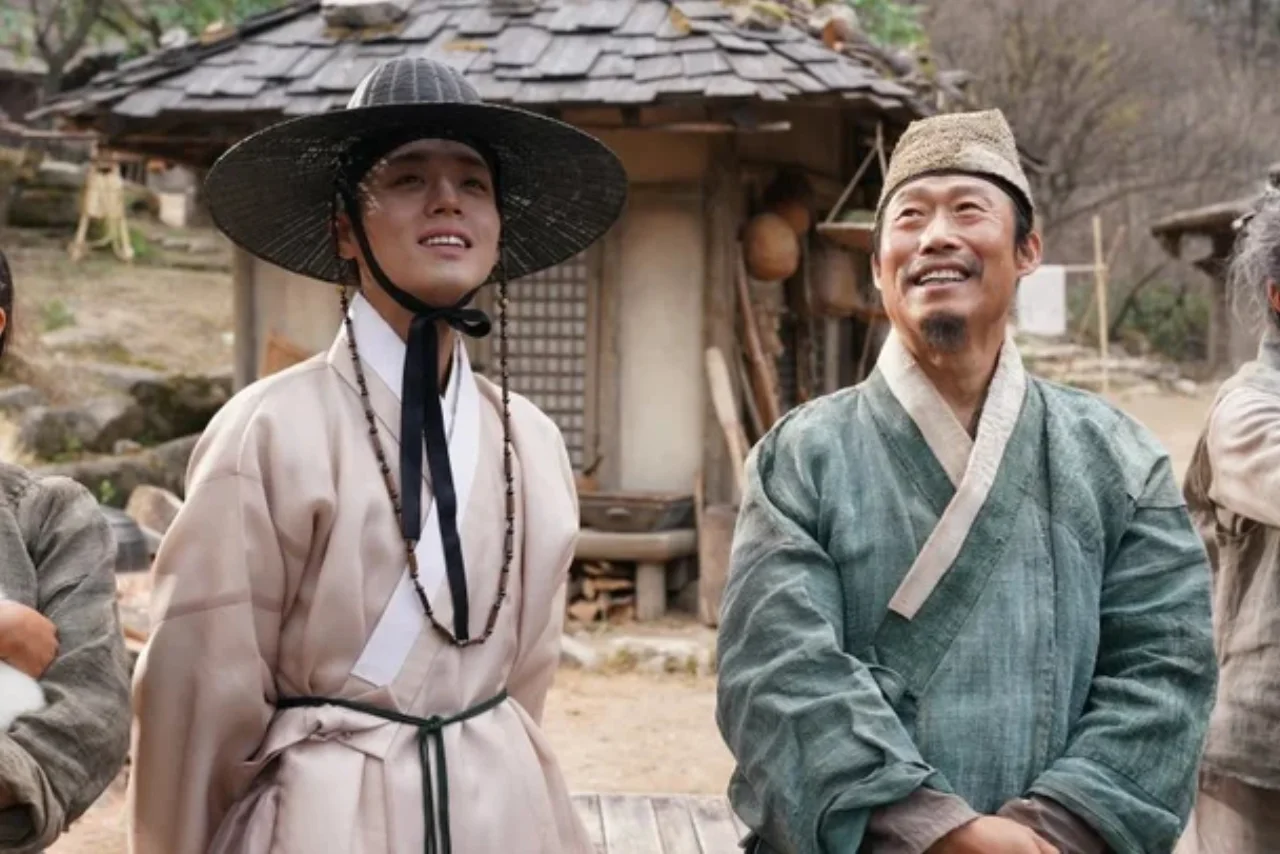
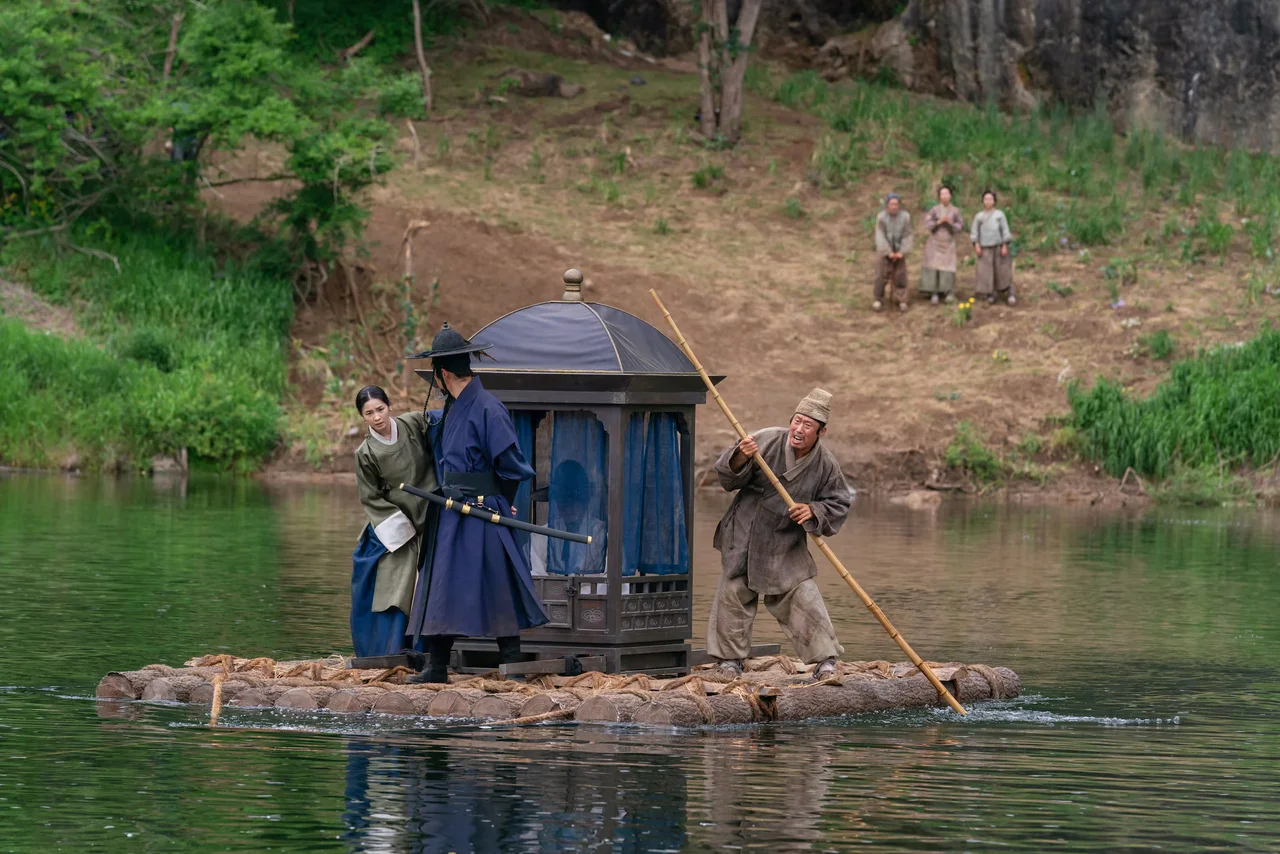
The film revisits one of the most emotionally loaded episodes in Joseon history: the overthrow and death of the young King Danjong after his uncle Grand Prince Suyang seized power and later ruled as King Sejo. That material is familiar in Korea, but The King's Warden gains force by narrowing its focus to Eom Heung-do, the local official tied to Danjong's final chapter. As reported by The Korea Herald and Korean press coverage around the release, the film's handling of grief and moral cowardice pushed many viewers into an unusually personal response. This was not passive historical interest. Audiences reacted like the betrayal had happened yesterday, which is how a royal tomb wound up getting review-bombed across map platforms.
The Cast Gave the Film Its Weight
Yoo Hae-jin anchors the film as Eom Heung-do, while Park Ji-hoon plays Danjong in a performance widely framed as a career step-change. Yoo Ji-tae and Jeon Mi-do round out the principal cast, giving the film a lineup that bridges mainstream recognition and dramatic credibility. According to Showbox materials and trade coverage, that ensemble balance helped the movie land with both younger viewers and older audiences who still show up for star-driven historical cinema.
What Happens Next
The film has already done the hardest part. It proved that a historical tragedy can still feel urgent at scale. The next milestone is legacy: whether The King's Warden is remembered as a rare post-pandemic sageuk smash, or as the movie that reopened the market for Korean period epics in a serious way.