Share This Article
K-pop's house wave is now a real chart strategy for girl groups
K-pop house music has become a real chart strategy for girl groups as IVE, KiiiKiii, and Hearts2Hearts prove club-ready production can win mainstream listeners.
April 30, 2026
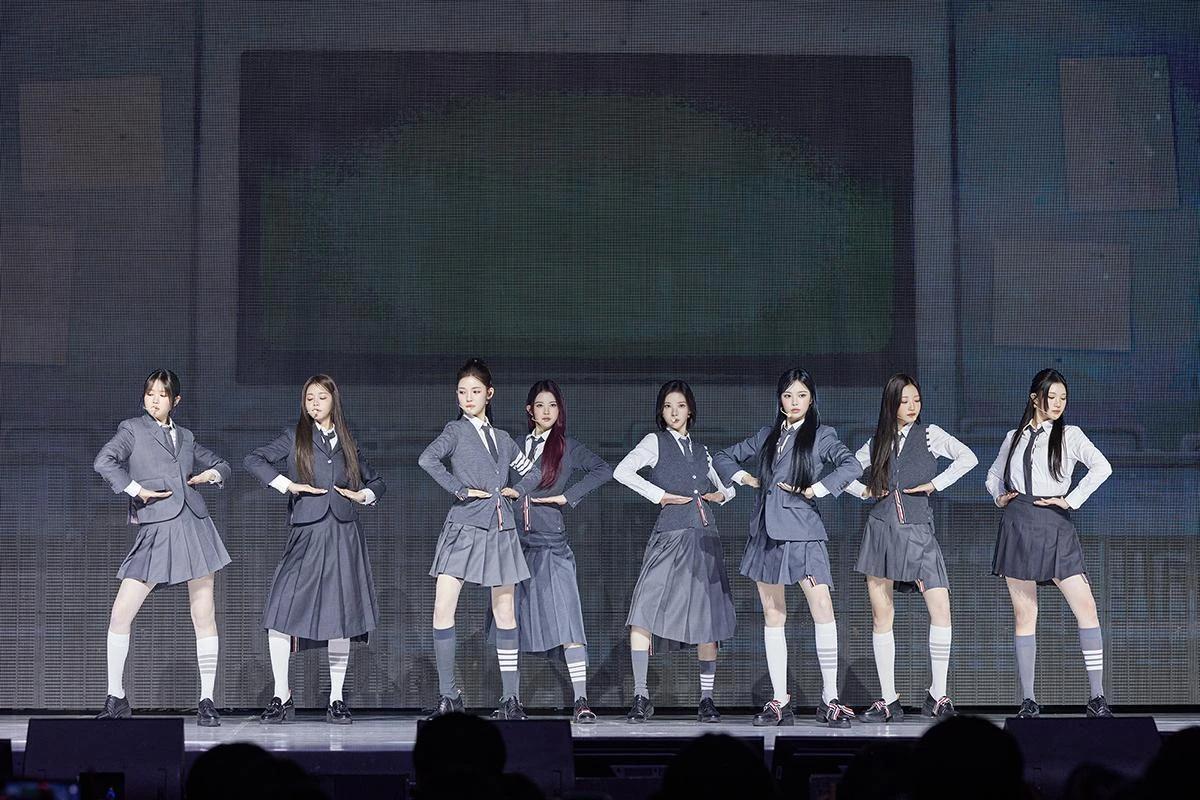
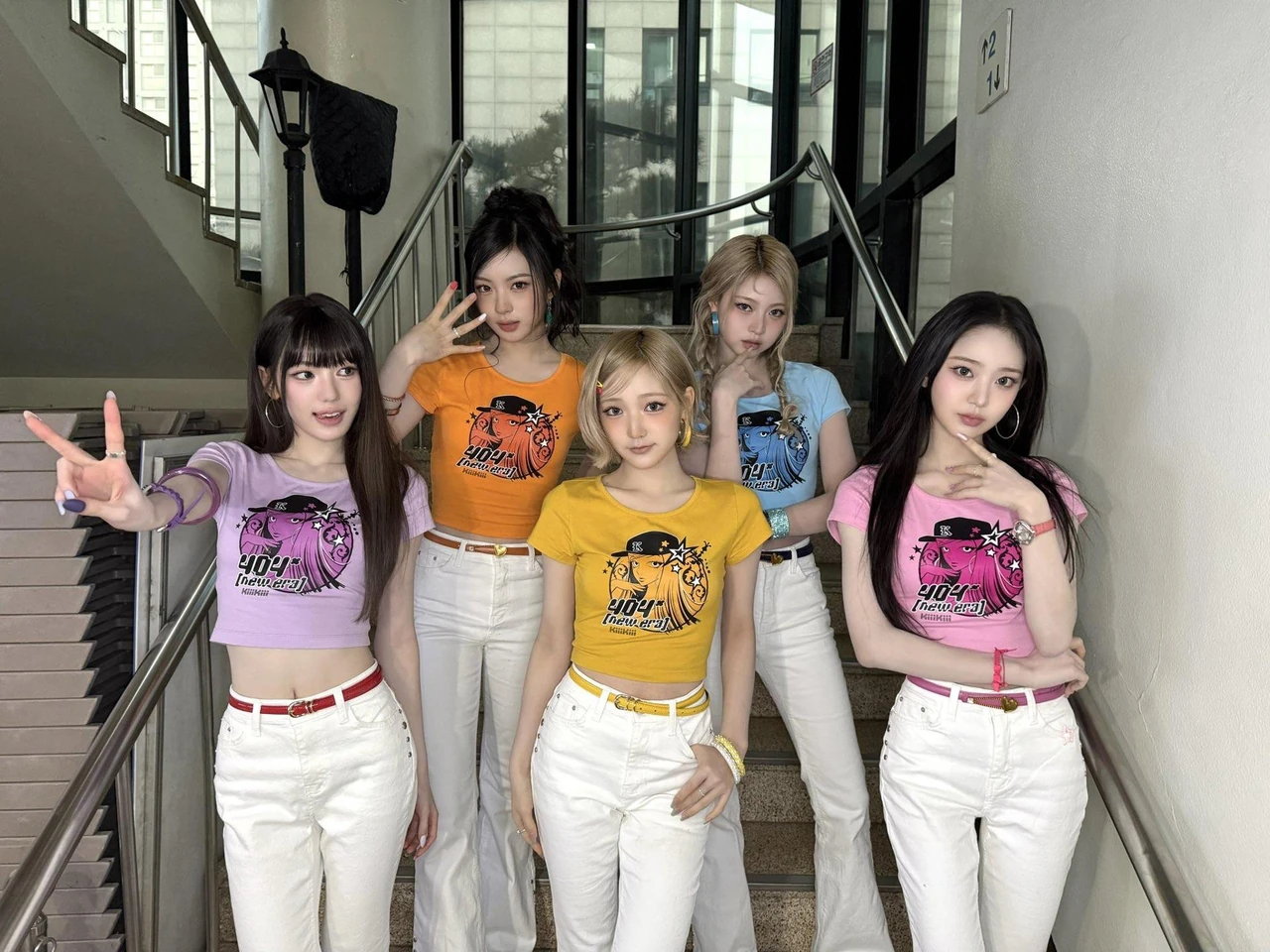
IVE (아이브), KiiiKiii (키키), and Hearts2Hearts (하츠투하츠) have made one thing clear in 2026: house music is no longer a stylish K-pop side quest. It is a real chart strategy for girl groups. The Korea Herald reported on April 26 that house is the standout subgenre inside K-pop's current electronic wave, and the evidence is hard to ignore when a Starship Entertainment act like KiiiKiii can send "404 (New Era)" to the top of Melon's Top 100 while IVE turns "Bang Bang" into a five week chart leader. That matters because these are not niche fan picks. They are mainstream records built on cleaner four on the floor momentum, quicker replay value, and hooks that hit fast enough to thrive on short form video and on Korea's biggest public charts. It is production designed to convert casual listeners into repeat listeners before the chorus is even over.
The charts turned house music into a real playbook
House music stopped feeling like a critic's talking point once the numbers got undeniable. According to CHOSUNBIZ's April 2 English report, IVE's "Bang Bang" claimed a March chart double crown. MK also reported that the same song finished No. 1 on both Melon and Genie's monthly charts even after promotions ended. KiiiKiii gave the trend an even sharper edge. The Korea Herald said "404 (New Era)" topped Melon's Top 100 after its January release, and our coverage of the single's chart run already showed how quickly that record moved from curiosity to full domestic breakout. Once two different Starship Entertainment girl groups can sell the public on club-minded production without sanding off their identities, the takeaway is obvious: house now works as a mass-market format, not just a cool influence. That is a blueprint, not a lucky outlier.
Girl groups are using house because it travels faster than denser pop
We have been hearing house textures in K-pop for years, but 2026 is the moment labels started treating the sound like a distribution advantage. According to The Korea Herald's April 26 analysis, critic Lim Hee-yun sees house as a natural K-pop fit because its steady rhythm is accessible, works instantly in short-form clips, and has stronger utility beyond fandom spaces. That logic lines up with what we are seeing from aespa (에스파) tracks like "Supernova" and "Whiplash," LE SSERAFIM (르세라핌)'s "Crazy," and Hearts2Hearts' ongoing commitment to the sound on "Focus," all cited by The Korea Herald as part of the same electronic push. Even BLACKPINK (블랙핑크) and ILLIT (아일릿) are part of the wider electronic lane through techno-leaning records, which tells you the market is rewarding rhythm-first songs that can work on stage, on short-form video, and in the car without needing a lore dump.
This wave looks strategic because the scene already built the groundwork
The smartest part of this trend is that it does not feel copied in. It feels optimized. SM Entertainment has let Hearts2Hearts shape an identity around sleek, rhythmic singles, while Starship Entertainment split the difference between IVE's polished confidence and KiiiKiii's looser, younger energy. That is why the same genre can sound premium in one comeback and playful in the next. The broader Korean music ecosystem has been laying that foundation for years too, with long-running local criticism documenting South Korea's electronic scene well beyond idol pop. The Korea Herald's wider reporting also tied the shift to short-form utility and club-ready portability, which helps explain why labels now treat house as a business decision instead of a temporary concept mood. Fan chatter has moved in the same direction, with recommendation threads filling up with house-focused asks over the past few weeks. That is usually the signal that a sound has crossed from industry choice into audience appetite.
What comes next for K-pop's house run
The next test is whether boy groups follow the same formula or whether house remains a lane girl groups own more convincingly. Lim argued that boy group music often leans harder on member differentiation and precision performance, while girl group releases reach mainstream charts more easily, according to The Korea Herald. Right now the scoreboard supports that read. House is giving girl groups a cleaner way to hit public playlists without losing performance power, and labels would be foolish not to keep pressing that button. If the second half of 2026 delivers more records in the mold of IVE's "Bang Bang" and KiiiKiii's "404 (New Era)," this stops being a trend piece and starts looking like the year's clearest pop strategy. The Korea Herald's April 26 analysis suggests A&R teams already understand that same public-chart advantage.