Share This Article
Before K-Pop, There Was Trot: How AI Is Resurrecting Korea's OG Pop Genre
Korea's oldest pop genre is trending again, powered by AI remixes of K-pop hits and a new generation of performers like Lim Young-woong who can fill stadiums.
February 25, 2026
Before BTS sold out stadiums, before BLACKPINK headlined Coachella, before K-pop became a multi-billion-dollar export, South Korea had trot. The genre emerged in the 1930s during Japanese colonization, its name borrowed from the American foxtrot and its two-beat rhythm. Trot songs channeled "han," a deeply Korean feeling of sorrow, longing, and resilience born from decades of foreign occupation. For half a century, it was the sound of Korea.
Now, thanks to generative AI and a new generation of performers, trot is making a comeback that nobody predicted.
From Karaoke Rooms to Your Feed
Korean content creators have started using AI tools to transform popular K-pop songs into buttery, catchy trot-style tunes. The videos pair these remixes with AI-generated images of modern idols in classic trot aesthetics: glittery suits, teased hair, the whole retro package. The results are racking up hundreds of thousands of views on Instagram, YouTube, and LINE.
Kim Ji-hoon, a 29-year-old office worker who runs a YouTube channel dedicated to AI trot remixes, told the BBC he started making the clips because he "wanted to shine a light on some hidden gems in K-pop." One viral clip reimagined Jay Park's hip-hop track "Mommae" as a trot ballad, prompting comments like "Our moms would go crazy for this."
The trend has even caught the attention of music industry insiders. A YouTuber operating under the name "Ppong Me the Money" created AI trot clips that gained significant traction before being removed over copyright concerns, an issue that is quickly becoming the genre's biggest legal headache.
The Man Who Made Trot Cool Again
The AI remixes did not appear in a vacuum. Trot's revival has been building for years, led by performers who proved the genre could compete with K-pop on its own terms.
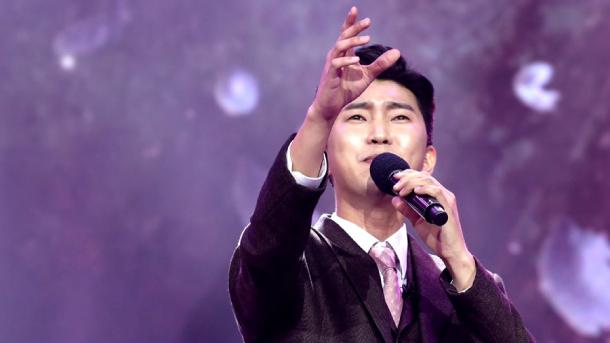
At the center of that resurgence is Lim Young-woong (임영웅). In 2020, the then-28-year-old beat 17,000 applicants to win "Mr. Trot," a televised singing competition on TV CHOSUN. The show itself was a ratings phenomenon, but Lim's career trajectory after it has been extraordinary.
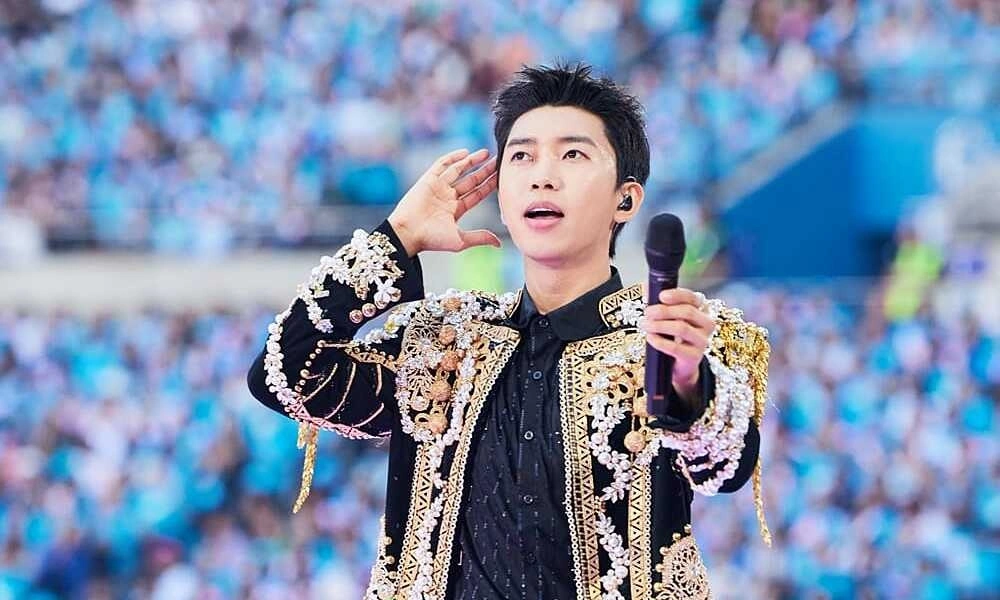
By 2024, Lim was headlining Seoul's World Cup Stadium, joining an elite list of Korean artists to play the venue that includes Psy, Big Bang, and Seventeen. His two-night run drew roughly 100,000 fans. The concert was later turned into a documentary film, "IM HERO THE STADIUM," which hit theaters and eventually landed on Netflix.
His YouTube channel has surpassed 2.5 billion views. His fanbase, called "Hero Generation" (영웅시대), skews older than a typical K-pop audience, but their spending power and loyalty rival anything in the idol ecosystem.

Korea's First Pop Idols
To understand why trot's return matters, you need to understand what it replaced. Long before the term "idol" described K-pop trainees in matching outfits, it described trot singers.
Nam Jin and Na Hoon-A were South Korea's first pop "idols" in the late 1960s and mid-1970s. Their rivalry was so intense that fans formed opposing camps, trading insults in a proto-fandom war that would look familiar to anyone who has witnessed a Twitter fight between K-pop stans. Nam Jin was the first Korean artist to hold a solo concert, in 1971.
Musically, trot is defined by minor scales, heavy vibrato, and a vocal technique called "kkeokgi" that bends notes to heighten emotional expression. The lyrics typically revolve around love, separation, and yearning for home. In Baek Nyeonseol's 1940 classic "The Sorrow of a Traveler," the words translate to: "It has been half a lifetime, over 10 years, walking barefoot in a foreign land; sorrow settles deep in this man's heart."
But as K-pop rose through the 1990s and 2000s, trot fell out of fashion. Young Koreans viewed it as tacky, something their grandparents played at gatherings. The genre's core audience aged out, and few new artists could break through.
The New Guard
That changed with the wave of trot audition shows that began airing in the late 2010s. Programs like "Mr. Trot" and "Miss Trot" drew massive ratings by pairing the genre's emotional depth with the competitive drama format that Korean audiences love.
The latest proof that new trot talent can compete: Park Jihyun (박지현), nicknamed the "Trot Prince," released his debut full-length album "MASTER VOICE" on February 23, 2026. Every single track charted on Melon, South Korea's largest music platform, with the title track hitting #13 on Melon HOT100. For a trot album to achieve that kind of across-the-board chart performance in 2026 is significant.

The Copyright Problem
The AI trot trend sits in a legal gray zone. Copyright ownership of AI-generated music and images remains unsettled in South Korea and globally. Kim Ji-hoon, the office worker creating AI trot remixes, acknowledges the controversy and says he is willing to take his videos down if necessary. He is not monetizing his accounts.
Other creators have not been as cautious. "Ppong Me the Money," a music industry insider, had to remove clips after copyright holders pushed back. As the trend grows, the tension between viral creativity and intellectual property protection will only intensify.
This debate mirrors the broader 2026 conversation around AI and creative industries. From music to visual art to writing, the question of who owns AI-generated content that transforms existing work is one of the defining legal battles of the decade.
Curiosity or Comeback?
Not everyone believes the AI trend signals a genuine trot revival. Music critic Jung Minjae told the BBC that the phenomenon is driven more by curiosity about AI capabilities than by authentic appreciation for the genre. "People are not genuinely enjoying trot as a genre through this," he argued.
He may be right that the AI remixes are more novelty than movement. But the broader trot revival is real. Lim Young-woong is filling stadiums. Park Jihyun is charting entire albums. Audition shows keep producing new stars.
The irony is poetic: Korea's oldest pop genre, born from the sorrow of colonization, is finding new life through the country's newest technological export. Whether AI trot remixes are a gateway drug to the real thing or just a passing internet moment, they have done something that seemed impossible five years ago. They have made millions of young Koreans press play on a genre their parents thought they would never listen to.
And sometimes, that is all a genre needs to survive.