Share This Article
APR Is TIME100’s First K-Beauty Company. Medicube Made It Happen
APR just became the first K-beauty company on TIME100, and Medicube’s Amazon, Ulta, and overseas momentum explains why the world is paying attention.
May 4, 2026
APR is the first K-beauty company to land on TIME100’s list of the world’s most influential companies, and TIME says the Korean beauty tech group got there after topping $1 billion in 2025 revenue while pushing overseas sales to 80% of the business, up from 55% a year earlier. That headline matters because APR is not being rewarded for vague brand heat. It is being recognized for turning Medicube into a global growth engine through beauty devices, social commerce, and U.S. retail scale. According to TIME’s profile of APR, Medicube was the top-selling beauty brand on Amazon during 2025 Prime Day and expanded into more than 1,400 Ulta Beauty stores in the United States. K-beauty has produced plenty of export wins before. This one feels bigger. APR now looks less like a niche success story and more like a company reshaping how Korean beauty travels.
Medicube is the part of the APR story global shoppers already understand
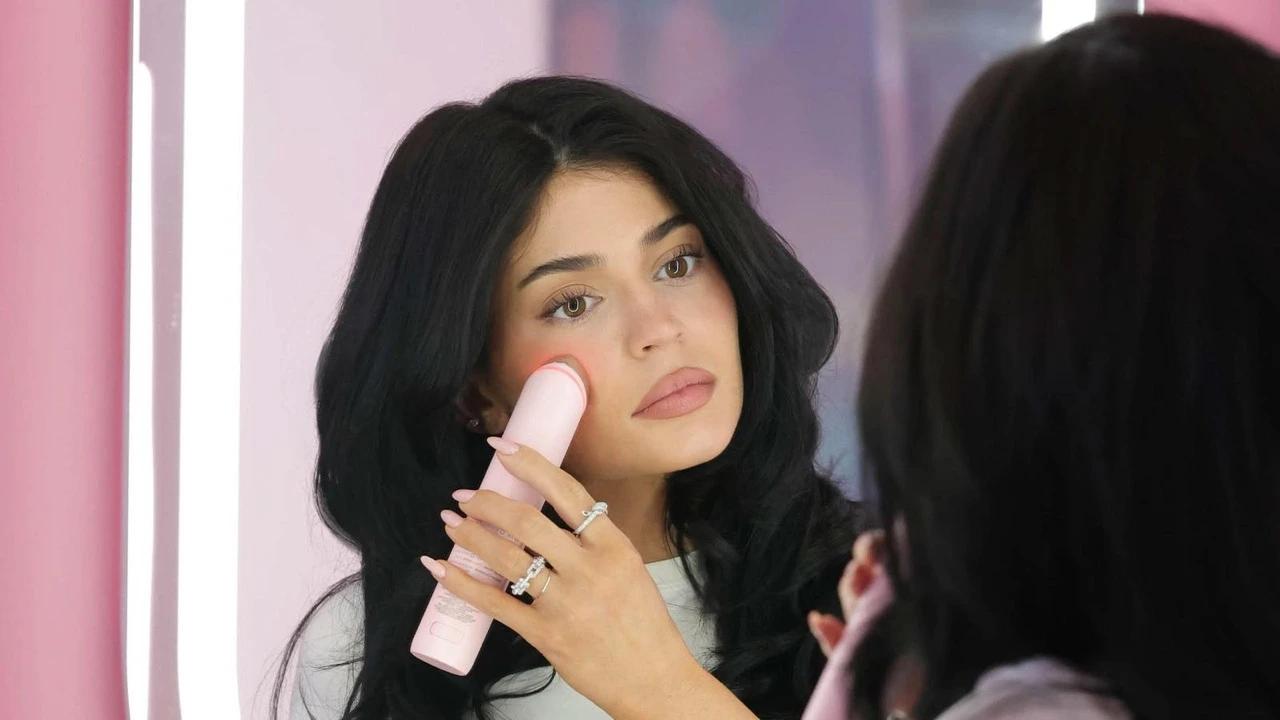
Medicube, not corporate branding alone, is the reason global consumers suddenly understand APR at scale. As reported by The Korea Herald, Medicube will launch 22 products across more than 1,400 Ulta Beauty locations, including skin care and the AGE-R device line, with the rollout happening nationwide instead of through the slower trial pattern Ulta usually uses for new brands. That kind of placement does not happen on hype alone. It happens when a brand already has demand, repeat purchase behavior, and enough recognition to bridge specialist K-beauty retail into the American mainstream. We have seen that path for years through dedicated platforms such as Peach & Lily, but Medicube is now converting it into mass visibility. Even HITKULTR’s recent coverage of Medicube’s Coachella activation hinted at the same shift. The brand is no longer selling only products. It is selling cultural familiarity.
APR’s market cap jump says this is now a business story, not just a beauty trend
APR is now being measured like a global growth company, not simply a hot skincare label with one breakout brand. According to Seoul Economic Daily, APR reached a market capitalization of 15.89 trillion won last week, moving ahead of older regional beauty incumbents as investors priced in stronger U.S. and Europe expansion. The same report cited JP Morgan’s view that APR’s high-growth structure centered on those markets is entering a new stage, while Meritz Securities projected first-quarter revenue of 550 billion to 590 billion won. That is the deeper read on the TIME100 moment. Medicube’s rise is not being treated like a one-season social spike. It is being treated like a durable business model that can move revenue, margin expectations, category leadership, and retailer confidence at the same time. That is the kind of scale signal that forces both prestige retailers and investors to treat K-beauty more like infrastructure than trend heat.
TIME100 changes the way K-beauty success gets measured
TIME100 does not automatically make APR the face of all Korean beauty, but it does change how global gatekeepers measure the category. According to TIME, APR is being recognized for scale that now spans more than $1 billion in annual revenue, an overseas sales mix that reached 80 percent in 2025, and Medicube’s breakout reach across Amazon, Ulta, and social commerce. The Korea Herald also reported that Medicube’s first Ulta rollout will place 22 products in more than 1,400 online and offline locations, with dedicated displays for key devices and skin care lines. That combination matters because it frames K-beauty as durable infrastructure, not just trend heat. If APR keeps executing through the second half of 2026, rivals will need to think bigger about devices, retail, and repeat customer economics, not only viral ingredients.