Share This Article
K-beauty's dealmaking boom just turned Korean beauty brands into blue-chip global assets
K-beauty M&A hit 3.59 trillion won in 2025 and kept moving in Q1 2026, showing investors now see Korean beauty brands, suppliers, and distributors as scalable global assets.
May 6, 2026
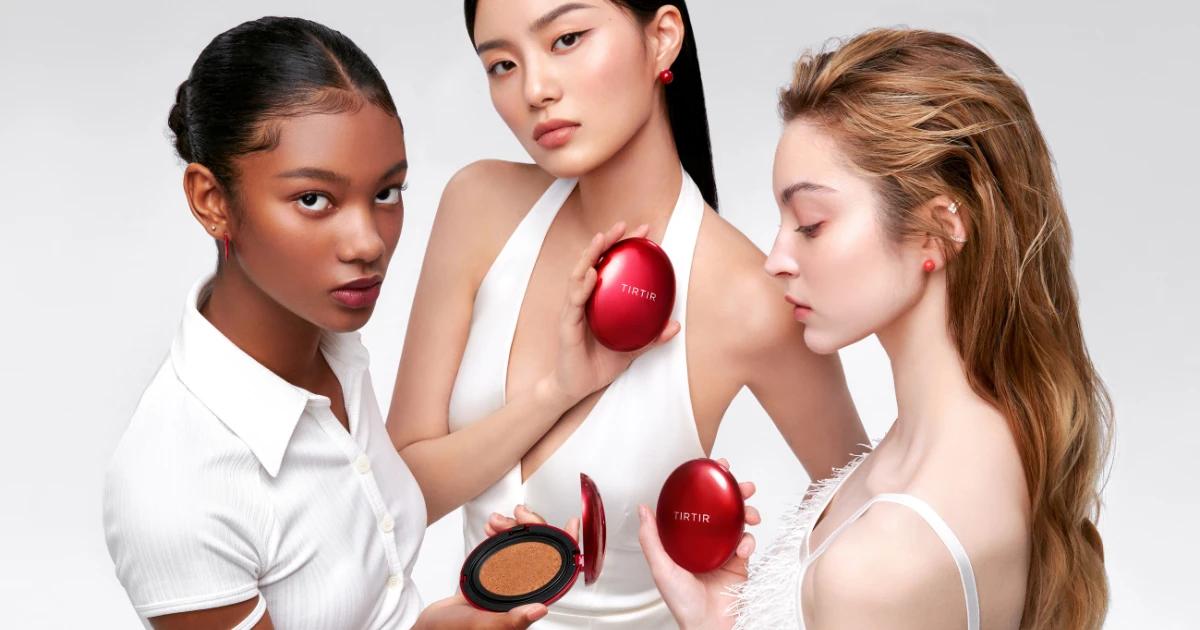
K-beauty's dealmaking boom is turning Korean beauty companies into blue-chip global assets, with 29 South Korean cosmetics transactions worth 3.59 trillion won completed in 2025 according to The Korea Herald's report on MMP data. A separate Dong-A Ilbo report put the total at 3.5934 trillion won and said first-quarter 2026 cosmetics exports reached a record $2.18 billion. Investors are no longer buying K-beauty on vibes alone. That record pace helps explain why capital is now spreading across the category instead of chasing one breakout product. They are buying brands, manufacturers, packaging suppliers, and distributors because export growth has made the category look less like a trend and more like infrastructure. If you want the consumer-facing proof point, our earlier coverage of TirTir's breakout global moment already showed how fast one Korean beauty label can scale once global demand locks in. Our more recent look at APR and Medicube's TIME100 breakthrough showed the same story reaching prestige-market scale.
Record deal value is the headline, but the mix of targets matters more
K-beauty M&A hit a new ceiling in 2025, but the more revealing detail is where the money actually went. According to The Korea Herald, Goodai Global paid about 600 billion won for Seorin Company, the owner of Round Lab, and about 150 billion won for Skinfood, while KKR acquired packaging firm Samhwa for 733 billion won and Ascent Equity Partners bought C&C International for 285 billion won. The Dong-A Ilbo report confirmed the same wider spread across brands, packaging, and production capacity. That breadth matters because repeat export wins usually depend on supply-chain control as much as consumer buzz. That is the real tell. Buyers are not chasing a single hero serum. They are assembling the machinery that gets Korean beauty from lab bench to global checkout, which is exactly how a sector starts looking investable at scale rather than merely fashionable for the moment.
Goodai Global is building the clearest K-beauty house-of-brands play
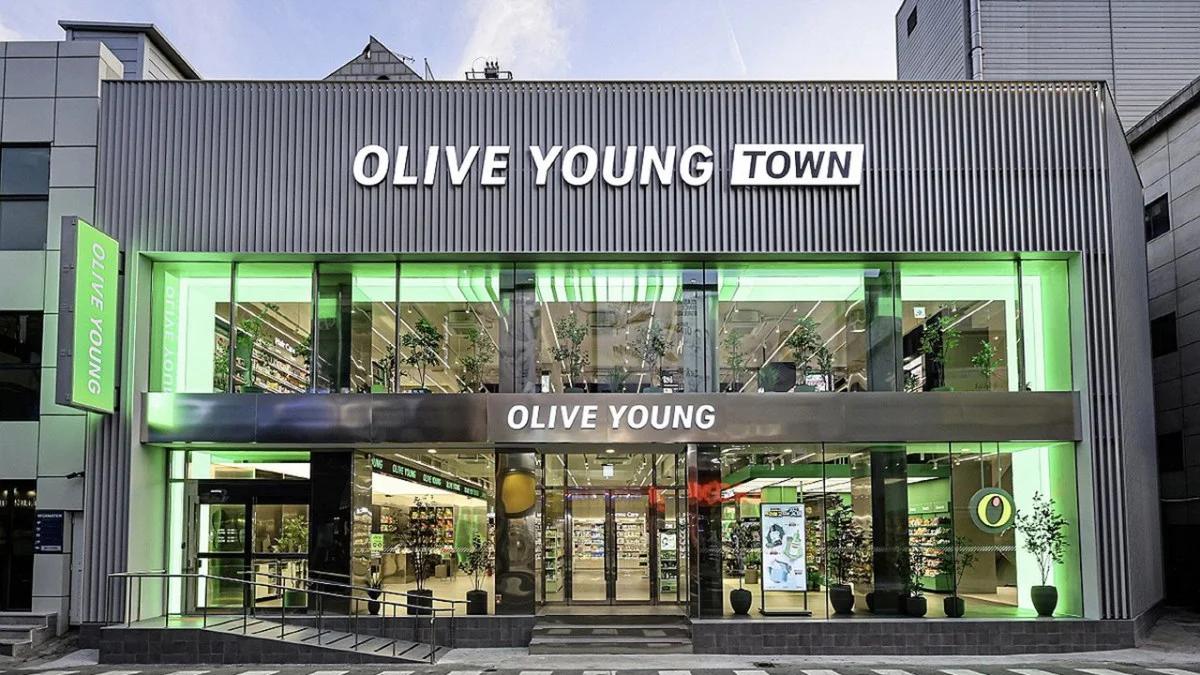
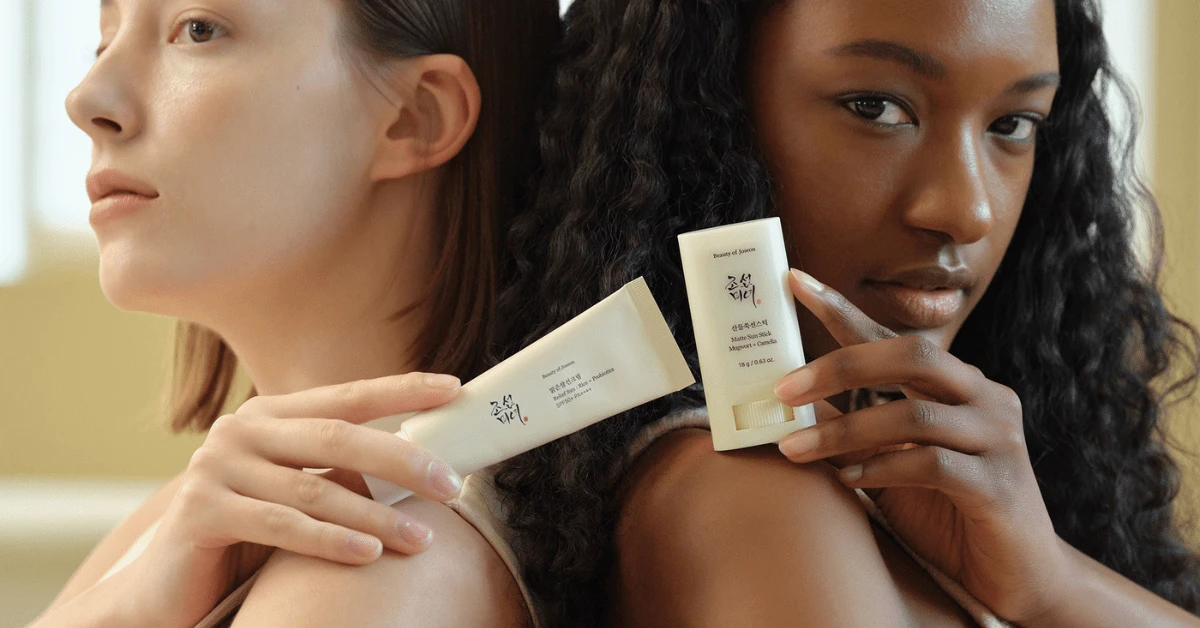
Goodai Global is the company everyone else in the market now has to answer to. Korea Herald confirmed the Round Lab and Skinfood deals, while the Dong-A Ilbo report said the group already had Beauty of Joseon and TirTir in its portfolio before expanding further with Hansung USA. That matters because Hansung gives Goodai more grip on North American distribution, not just more products to market. It also gives the group a cleaner answer to the 2026 question investors keep asking: who owns the breakout brand, the overseas shelf space, and the logistics bridge at the same time? This is the beauty version of buying the label, the factory relationships, and the retail runway in one move, which is why global storefronts such as Olive Young matter strategically, especially after Olive Young's California launch plans showed how the retailer wants to own shelf space as well as discovery. Retail visibility is no longer downstream from the brand story. It is part of the asset story itself.
Exports are giving investors the confidence to pay up
The export data is what makes the valuation story believable. Korea Herald reported that Korean cosmetics shipments rose 12.3 percent in 2025 to a record $11.4 billion, while small and medium-sized companies shipped $8.32 billion overseas and pushed the number of exporters past 10,000 for the first time. The Dong-A Ilbo report added that first-quarter cosmetics exports hit another record at $2.18 billion. That is why this deal cycle feels sturdier than a single viral product wave. When overseas demand keeps broadening, buyers can underwrite not only a hot brand but the ecosystem around it, especially when North American retail and distributor access are part of the same growth story. We are watching K-beauty graduate from cool-girl category to durable consumer asset class, and frankly that is a much bigger story than any one launch calendar.
K-beauty is starting to look like a system, not a niche
VIG Partners buying aesthetic and medical beauty assets from LG Chem, KKR moving on Samhwa, and Ark & Partners taking Changshin show how far the thesis has widened, as reported by Korea Herald and Dong-A Ilbo. Those same reports make clear that the continued deal pace and export growth did not cool once the 2025 record year closed. As reported by Dong-A Ilbo, five K-beauty deals were completed in the first quarter of 2026, which is why the smart money is no longer asking whether K-beauty can travel. That question was settled when exports broke records and brands started winning abroad without a giant legacy parent. The new question is who controls the inputs, channels, and packaging that let the next breakout scale faster. That is why this moment feels bigger than beauty gossip. Korea's cosmetics industry is starting to resemble a mature global platform business, and once investors see that, they do not usually price it like a fad for very long.