Share This Article
Noona relationships are suddenly everywhere in Korean entertainment
Older-woman younger-man romance is moving from classic K-drama trope to a full Korean dating TV and culture trend, with 2026 formats proving the concept now sells on its own.
June 2, 2026
Older-woman younger-man romance, often called the noona dynamic in Korean entertainment, is moving from familiar K-drama subplot to full Korean TV format in 2026. As reported by The Korea Herald, the dynamic still carries unusual narrative force because the moment a younger man stops calling a woman noona and starts using her given name signals a move from hierarchy to equal romance. MK's May 22 coverage of Noona Is a Woman to Me 2 shows the idea is no longer staying inside scripted TV either, with the second season returning on May 23 at 10:40 p.m. as a reality format built around older-woman younger-man matchmaking. Add the renewed competition around Channel A's Heart Signal 5, and the bigger pattern is hard to miss. Korean entertainment is not treating the noona idea like a nostalgia trope anymore. It is treating it like a live commercial lane.
The noona dynamic still works because Korean romance writing turns language into plot
The noona dynamic remains sticky in K-dramas because Korean romance writing can turn one small change in language into an emotional plot twist. According to The Korea Herald's June guide to hidden rules of K-drama romance, when a younger male lead stops using noona, a familiar term for an older woman, and switches to her personal name, viewers read it as a direct rejection of the older sister style hierarchy built into the relationship. That gives the trope a built-in tension Western romance scripts often have to manufacture through bigger conflict. It also explains why noona pairings keep resurfacing whenever Korean TV wants intimacy that feels mature without becoming cold. The format lets writers stage flirtation, status reversal, and emotional risk in the same beat. That is not just a trope surviving on habit. It is a storytelling device that still gives Korean romance a sharper emotional vocabulary than a generic age-gap plot.
Korean dating TV is now selling noona romance as a format, not just a subplot
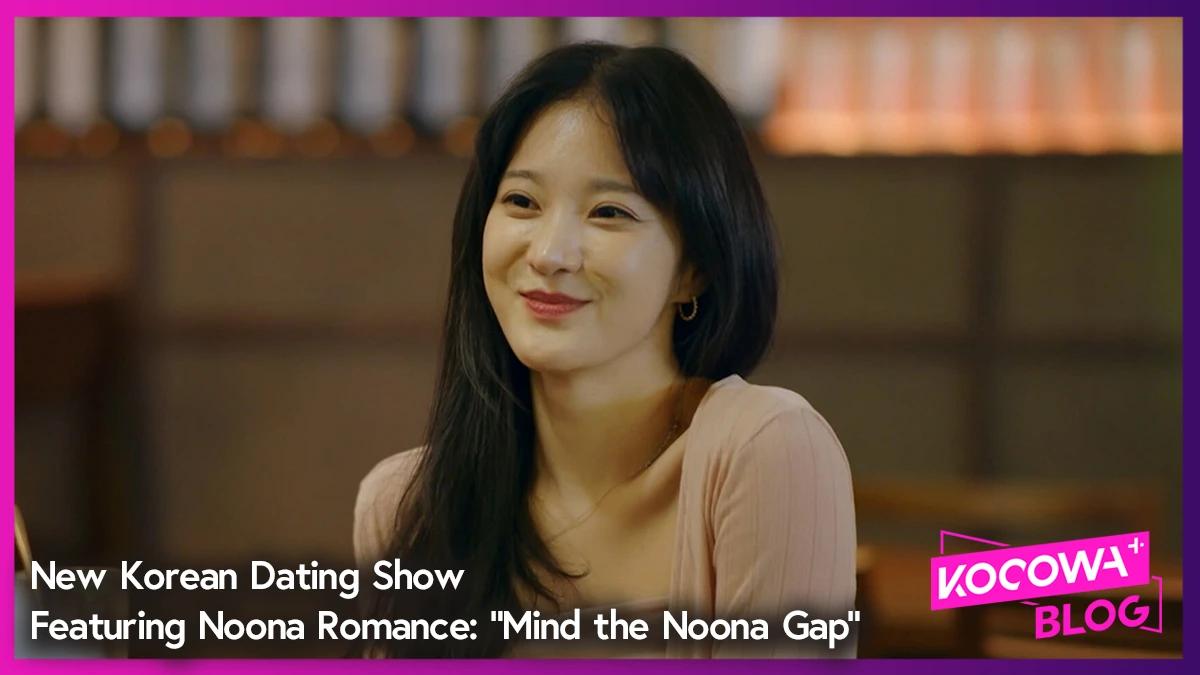
Korean dating TV is now packaging noona romance as a standalone format, which is the clearest sign that the idea has moved beyond drama shorthand. As reported by MK, Noona Is a Woman to Me 2 held its production presentation on May 22 and returned the next night at 10:40 p.m., with the outlet describing Season 2 as a continuation of a real-romance setup centered on older women and younger men. That matters because dating TV only doubles down on concepts it believes can hold weekly attention. Streamers saw the same lane earlier. KOCOWA's 2025 explainer for Mind the Noona Gap framed noona romance as a concept viewers already loved in K-dramas but had not yet seen sold this directly as reality television. Once a trope starts carrying its own unscripted format pitch, it has stopped being niche. It has become an addressable audience with repeat-viewing potential.
The wider dating-show boom gave the trend room to scale
The wider Korean dating-show boom gave the noona trend room to scale because the market already trained viewers to sample increasingly specific romance concepts. Channel A's Heart Signal 5 is not a noona-format show, but its return still matters here because, as reported by The Korea Herald, the genre remains in a golden age driven by low production costs, audience appetite for emotional realism, and the appeal of watching other people's relationships unfold in real time. That wider youth-facing energy is also visible in Tsuki's panel-era presence around the current Heart Signal 5 cycle, which helps keep dating TV legible to newer viewers. That environment rewards sharper segmentation. Once viewers accept formats built around exes, siblings, or intense cohabitation rules, a concept focused on older women and younger men stops looking risky and starts looking marketable. We have reached the point where noona romance can function as one more recognizable dating-show promise rather than an experimental edge case.
This trend is landing because fan culture already did the groundwork
This trend is landing commercially because the audience vocabulary was already built before broadcasters tried to monetize it. According to The Korea Herald, noona romance still carries specific emotional weight in scripted storytelling because viewers understand the hierarchy and tension baked into the term itself. KOCOWA's explainer for Mind the Noona Gap made the same point from the platform side by treating older-woman younger-man romance as something viewers already recognized from K-dramas, and it sold the format through a host mix that included panelists tied to 2PM and TXT. That matters because networks and streamers do not need to invent demand from scratch. They only need to repackage a familiar dynamic in a fresher format with a new cast and a clearer premise. As reported by MK, Noona Is a Woman to Me 2 shows broadcasters acting on that logic in public. In plain English, the 2026 noona wave is monetizing a fan-reading habit Korean entertainment had already watched mature for years.