Share This Article
Police seek arrest warrant for HYBE chairman Bang Si-hyuk over alleged unfair stock trading
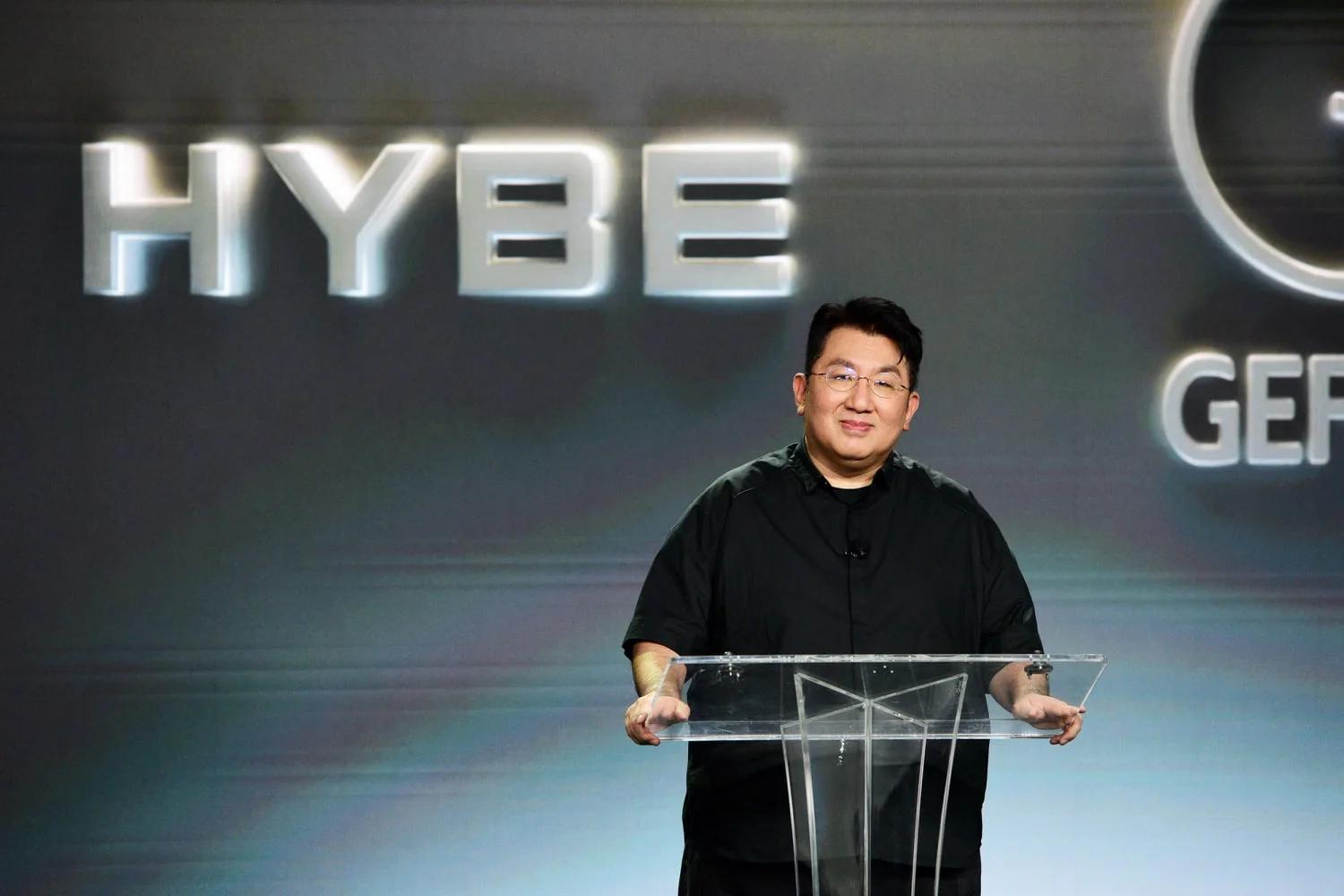
South Korean police sought an arrest warrant for HYBE chairman Bang Si-hyuk on April 21, escalating the company's IPO-era trading probe into a major K-ent corporate crisis.
April 22, 2026
South Korean police sought an arrest warrant for Bang Si-hyuk on April 21, 2026, but prosecutors rejected that request on April 24 and ordered more investigation, keeping the long-running market probe around HYBE's 2019 IPO in a tense legal middle stage. According to The Korea Herald's initial report, the Seoul Metropolitan Police Agency's financial crimes investigation unit booked Bang on allegations of fraudulent and unfair trading and moved to secure his custody. The BBC and Reuters separately reported that prosecutors said there were insufficient grounds for detention at this stage, even as investigators continued examining whether Bang misled early investors during the listing process. That distinction matters. Police escalated the case, but Bang was not arrested, and the allegations still have to survive a longer evidence fight before this can turn into a detention order with immediate legal force in the South Korean court system.
Update, April 24: Prosecutors later rejected the police request for an arrest warrant and asked for a supplementary investigation, according to The Korea Herald's Yonhap-based follow-up. That changed the practical status of the case very fast. Instead of waiting on a court decision about detention, police now have to decide whether to gather more evidence and file again. Prosecutors said there was not yet enough evidence to justify detention, while police said they would review whether to reapply after additional investigative work. Bang has denied wrongdoing, and HYBE has kept facing governance pressure even without an approved warrant. For readers trying to keep the timeline straight, police escalated the case on April 21, prosecutors pushed the request back on April 24, and the fight moved from warrant drama to a renewed battle over evidence.
The move lands at a brutal moment for HYBE because this is no longer niche finance coverage sitting outside the K-pop conversation. HYBE is the company behind BTS, SEVENTEEN, LE SSERAFIM, and a stack of the industry's most important infrastructure bets, from labels to Weverse, so any governance shock hits investor trust and fan confidence at the same time. As reported by Reuters, investigators are examining whether Bang misled early investors during the IPO process, with Reuters putting the alleged gains at roughly 190 billion won, or about $129 million, while newer Yonhap-based local follow-ups have cited a higher 260 billion won estimate. We have seen HYBE absorb artist controversies, executive feuds, and public legal warfare before. A requested arrest warrant for its founder is a different tier of reputational stress, especially when global investors already treat HYBE as the sector's benchmark stock.
What police said about Bang Si-hyuk's warrant request
The key fact is simple: police say they are seeking custody, not merely reviewing the idea anymore. According to The Korea Herald, the Seoul Metropolitan Police Agency's financial crimes investigation unit said Bang was booked on charges tied to alleged fraudulent and unfair trading under South Korea's Capital Markets Act, while the outlet also noted that the investigation was described by Commissioner Park Jung-bo one day earlier as essentially complete. The Korea Times matched the broad outline, reporting that the warrant request stems from allegations Bang profited during HYBE's IPO process after misleading existing investors about listing plans. That is the line readers need to keep straight in a fast-moving story. An arrest warrant request is a major escalation, but the court still decides whether police have shown enough risk or evidentiary weight to justify detention at this stage.
Why the HYBE stock trading case matters beyond one executive
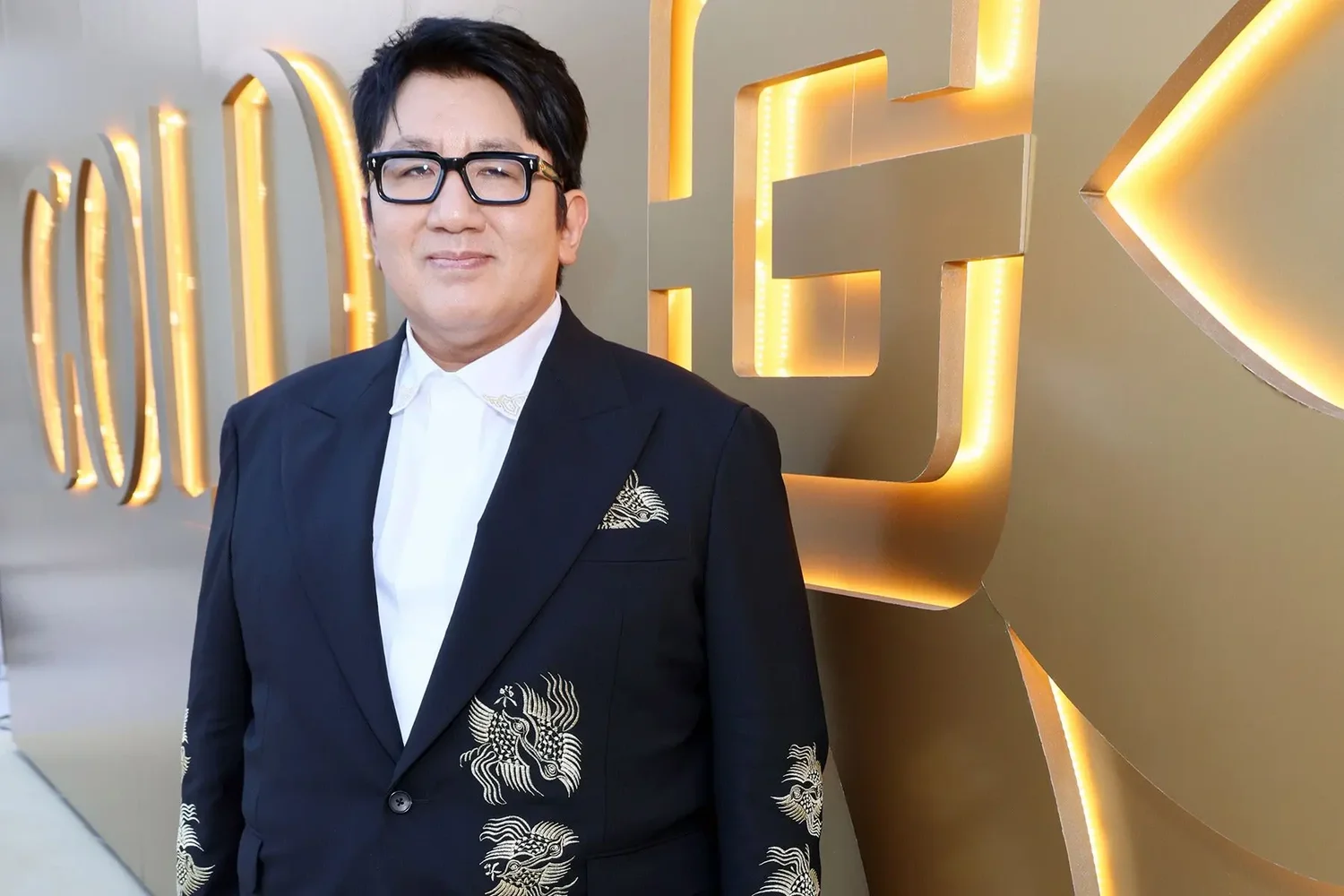
HYBE's importance makes this more than a chairman story because the company sits at the center of modern K-pop's business architecture. Founded by Bang and later expanded into the multi-label machine that now houses heavyweight operations across BigHit Music, PLEDIS, BELIFT LAB, and more, HYBE became the model every rival has tried to mirror. Reuters said investigators believe the alleged scheme generated more than $100 million in gains, while newer Yonhap-based Korean follow-ups have put the figure closer to 260 billion won, or about $175 million. The reporting gap likely reflects different calculation points in a still-evolving case, but either way the alleged scale is large enough to turn a corporate probe into a test of how South Korea polices entertainment-era capital markets. If you have been following our earlier HYBE legal coverage, you already know the company has spent the past year fighting on multiple legal fronts. According to Reuters, that wider pressure is part of why this warrant request is being read as a governance stress test, not just another executive headline. This case is more dangerous because it strikes directly at the legitimacy of HYBE's rise as a public company.
There is also a fan-side dimension that the market language can hide. Early reaction across K-pop community spaces has been less about disbelief and more about exhaustion, because Bang's name has been orbiting police and regulatory scrutiny for months. That mood matters. When fans start reading a label through the lens of governance failure instead of artist development, every comeback, earnings call, and platform move gets interpreted more cynically. HYBE can survive ugly headlines, but it cannot afford a prolonged stretch where investors see legal overhang and fans see executive rot at the same time. That is why this warrant request feels bigger than a courtroom update. It threatens the premium status HYBE spent years building as the company that supposedly scaled faster and smarter than everyone else.
What happens next for HYBE and Bang Si-hyuk
The next step is additional investigation, not an immediate court detention hearing. Prosecutors said on April 24 that they rejected the police request for an arrest warrant and asked police for a supplementary investigation, while police said they will review whether to file the request again after more work on the case. Bang has denied wrongdoing. According to the BBC's follow-up coverage, prosecutors said there were insufficient grounds for detention at this stage, which means the burden now shifts back to investigators to tighten the factual record before they try again. That leaves HYBE in an awkward middle stage where the reputational damage is already here, but the legal process is still moving through evidence disputes rather than a detention ruling. Investors, artists, and fans are all stuck watching the same unresolved question: whether this becomes a refiled warrant fight or a slower, messier corporate governance saga.