
The Pulse of K-Entertainment

Ahn Sung-ki
ActorArtist Company

Ahn Sung-ki

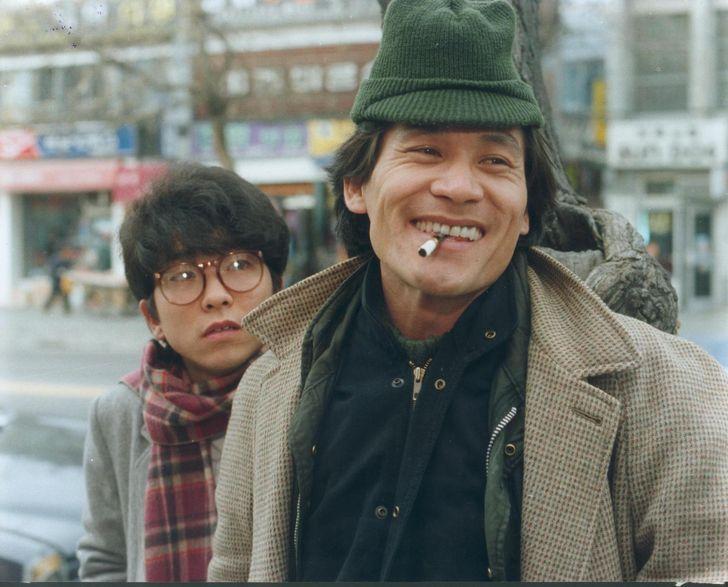
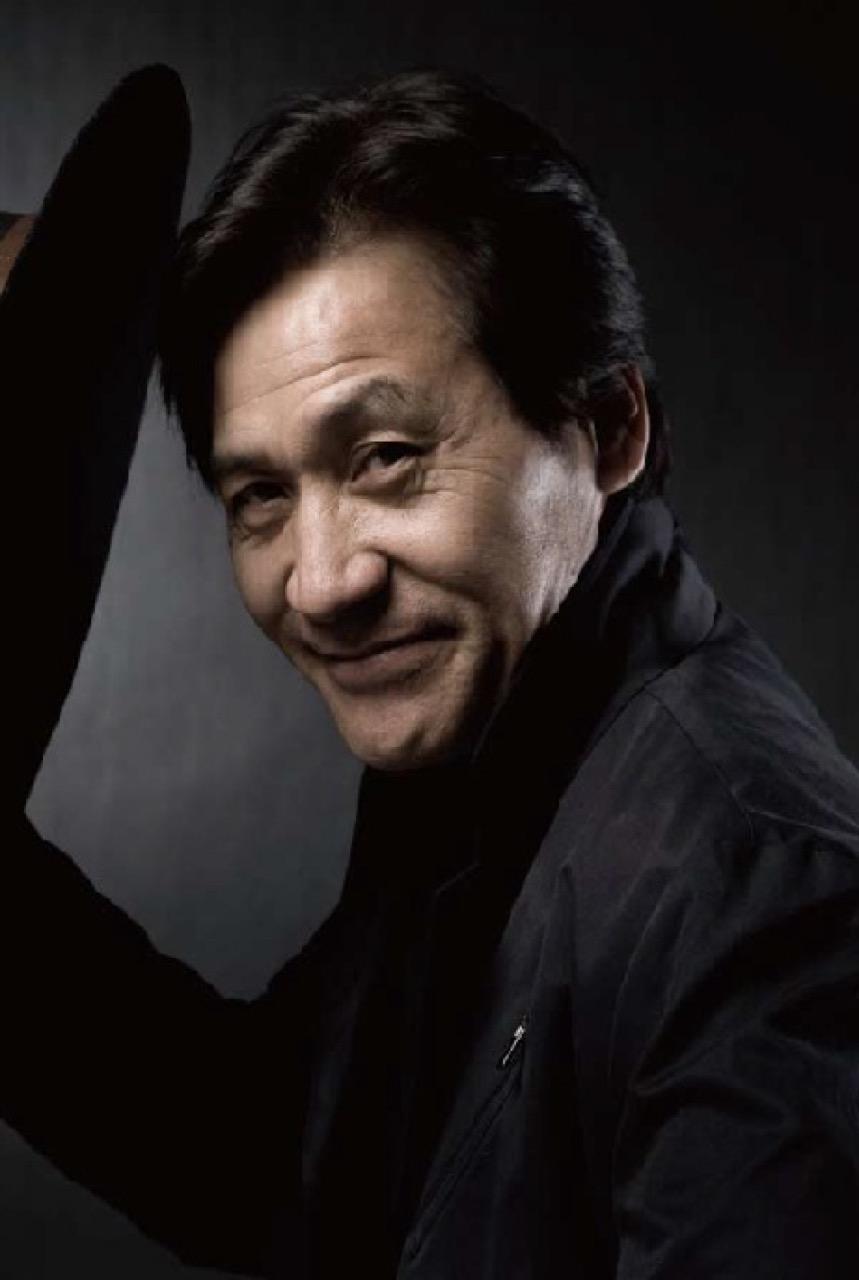
Ahn Sung-ki (안성기) carried Korean cinema across nearly seven decades, from child-actor work in the 1950s to late-career turns that still mattered in the streaming era. He never looked like a relic. He looked like the standard. Films such as Whale Hunting, Chilsu and Mansu, Silmido, and Radio Star made him a fixed reference point for what screen authority could feel like in Korea, while his final stretch still kept him connected to the modern audience that follows Korean film through platforms like Netflix and Disney+.

That longevity came with unusual trust. Ahn could anchor prestige work, commercial hits, and politically resonant stories without feeling trapped in one image. Even in 2026, the industry was still honoring him with a special achievement tribute from the Jeonju International Film Festival, which says as much about his staying power as any trophy count.

Outside acting, Ahn built a parallel legacy through decades of service with UNICEF Korea, giving his public image weight beyond filmography alone. His death on January 5, 2026 closed one of the longest and most respected careers in Korean screen history, but the work still reads as living context rather than museum material.

1 articles7 creditsDebut: January 1, 1957South Korean

Gallery

Filmography

2023
Noryang: Deadly SeaFilm
Actor
2006
Radio StarFilm
Actor
2003
SilmidoFilm
Actor
1988
Chilsu and MansuFilm
Actor
1984
Whale HuntingFilm
Actor
1957
The Twilight TrainFilm
Actor

Brand Partnerships

2026
27th JEONJU IFF Special Achievement TributeCampaign

Fans Also Ask

When did Ahn Sung-ki start acting?
Ahn Sung-ki began acting in 1957 as a child performer in The Twilight Train. That debut matters because it put him inside Korean screen history decades before he became the mature actor audiences associate with Whale Hunting, Chilsu and Mansu, Silmido, and Radio Star.
Why is Ahn Sung-ki called Korea's national actor?
Ahn Sung-ki earned that label because his career combined longevity, mainstream trust, and artistic credibility at a level few Korean performers have matched. Across more than six decades, he carried politically resonant films, commercial hits, and prestige projects without losing the quiet humanity that made audiences believe him.
What films is Ahn Sung-ki best known for?
The titles most closely tied to Ahn Sung-ki include Whale Hunting, Chilsu and Mansu, Silmido, and Radio Star, along with a much longer catalogue that stretches back to his child-actor years. Those films show how he moved across generations of Korean cinema without ever feeling locked to one era or genre.
When did Ahn Sung-ki die?
Ahn Sung-ki died on January 5, 2026 after a long battle with blood cancer. News coverage in Korea treated the loss as a major cultural moment because his career had been woven into the modern history of Korean film for nearly seven decades.
Where can I find a reliable public filmography for Ahn Sung-ki?
The Korean Film Council people database is the cleanest public starting point for Ahn Sung-ki's filmography. It places his work inside a formal industry record instead of relying on scattered reposted biographies, and it helps track the unusual length and consistency of his screen career.

Latest Articles