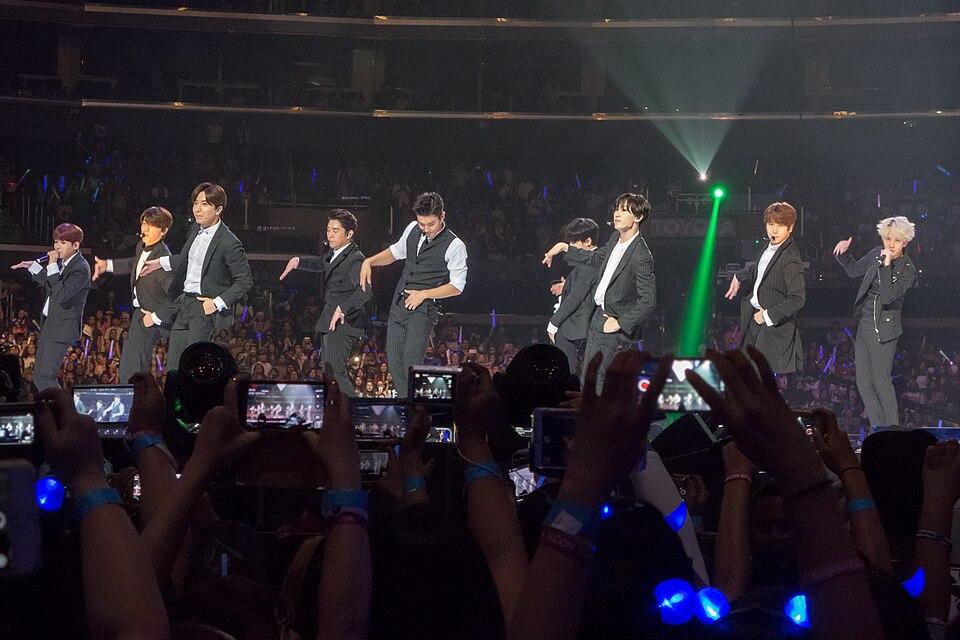
Super Junior
Super Junior (슈퍼주니어) is one of the defining acts of second-generation K-pop, the large-format boy group that helped turn the idol system into a touring, sub-unit, and cross-market machine. Debuting in 2005 under SM Entertainment, the group moved from the experimental Super Junior 05 setup into a durable long-term brand built on songs that still sit at the center of the genre's history.
That scale came from more than a few signature hits. Sorry, Sorry, Mr. Simple, and the wider catalog established the group as arena-level pop infrastructure, while units such as Super Junior-D&E gave the brand room to move across different markets and release patterns. The current group activity still runs through key names including Leeteuk, Heechul, Eunhyuk, and Donghae, alongside the wider active lineup.
Super Junior's 20th-anniversary cycle underlined why the group still matters now. The 2025 album Super Junior25 and the Express Mode rollout framed them less as a nostalgia booking and more as a legacy act that still knows how to reactivate fandom demand. In 2026, their influence remains visible everywhere from idol-group structure to international live strategy.
Members




Gallery
Discography
Fans Also Ask
How many members are in Super Junior now?
When did Super Junior debut?
Why is Super Junior important in K-pop history?
What are Super Junior's key sub-units?
Is Super Junior still active?
Latest Articles

SUPER JUNIOR-83z Debuts in July With 1983 Fan-Con Tour
SUPER JUNIOR-83z, the new Leeteuk and Heechul unit, debuts in July 2026 and opens its 1983 fan-con tour in Seoul before heading across Asia.

Super Junior's Donghae Announces First Solo LP 'Alive' After 20 Years
Super Junior's Donghae announces 'Alive,' his first full-length solo album releasing April 20, 2026, as Seoul concert dates sell out in seconds.