Ministry of Culture, Sports and Tourism
The Ministry of Culture, Sports and Tourism, better known as MCST, is the South Korean cabinet ministry that sets policy across culture, arts, media, sports, religion, and tourism. It does not manage artists or labels directly, but it shapes the ecosystem they operate in by directing public cultural strategy, export policy, and institutional support at a national scale.
That ecosystem role becomes clearer through the bodies linked to it, including KOFICE, the Korean Film Council, and the Korea Tourism Organization. When the Korean Wave is framed as infrastructure rather than just fandom heat, MCST sits near the center of the story. It helps define how culture is promoted abroad, how surveys and policy language are packaged, and how Hallyu gets positioned as part of South Korea's long-term growth strategy.
For HITKULTR, MCST matters because it is one of the clearest examples of state-level power inside entertainment coverage. When the ministry calls culture a future growth engine, backs overseas Hallyu measurement, or supports tourism and content promotion, those decisions ripple into the conditions surrounding labels, platforms, broadcasters, and artists. MCST is not a celebrity-facing brand. It is the policy machine behind much of the environment that lets Korean culture scale.
Gallery
Ambassadors & Partners
Fans Also Ask
What does South Korea's Ministry of Culture, Sports and Tourism do?
What is MCST's role in the Korean Wave?
What is MCST's role in the Overseas Hallyu Survey?
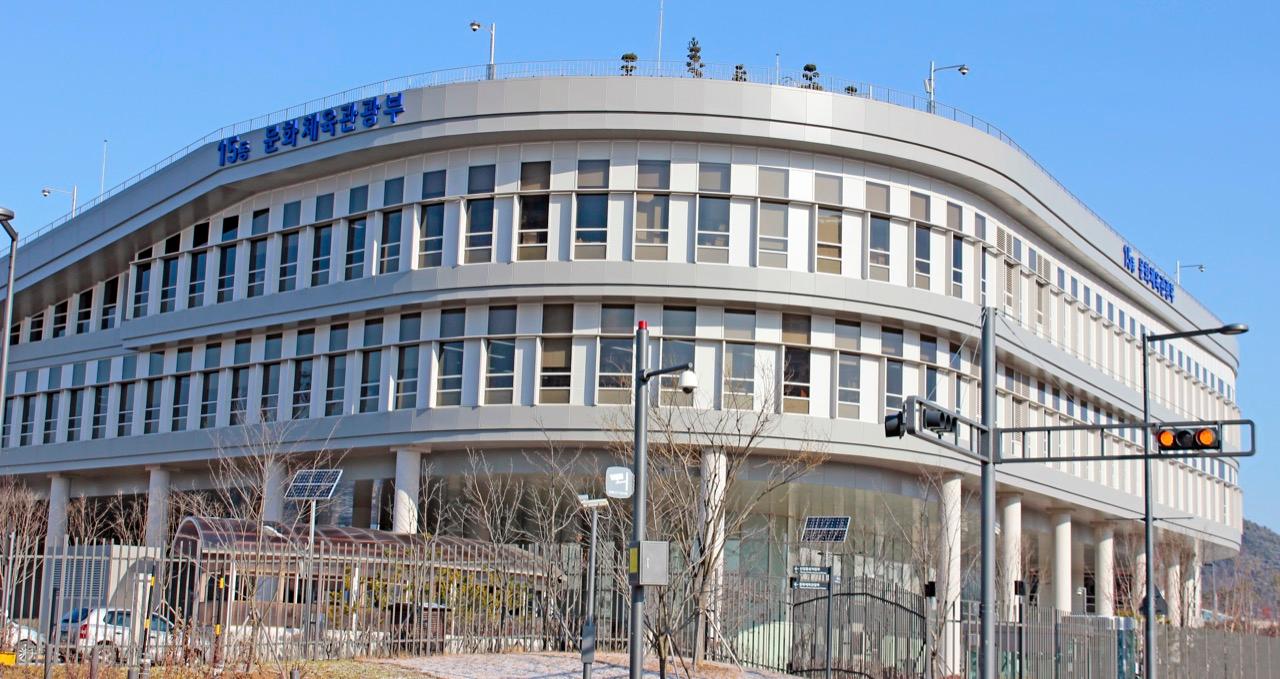
Where is the MCST headquarters?
Why does MCST matter to entertainment coverage?
Latest Articles
K-EXPO Inkigayo in Paris Uses Taemin and NCT WISH to Sell a Bigger Korea Story
K-EXPO Inkigayo in Paris now has a six-act final lineup, but the deeper play is still Korea using K-pop to anchor a broader export showcase in France.

IVE's Gaeul Joins Reading Korea as Seoul Tries to Make Books Social Again
IVE's Gaeul has joined South Korea's 2026 Reading Korea campaign, giving a government reading push a youth-facing K-pop voice as officials try to reverse falling reading habits.
Korea Just Recruited 1,152 Creators From 98 Countries to Build Hallyu's Next Growth Engine
South Korea has recruited 1,152 creators from 98 countries and paired that scale with a separate 120-person field program, showing how Hallyu is evolving into a creator-led K-culture distribution system.
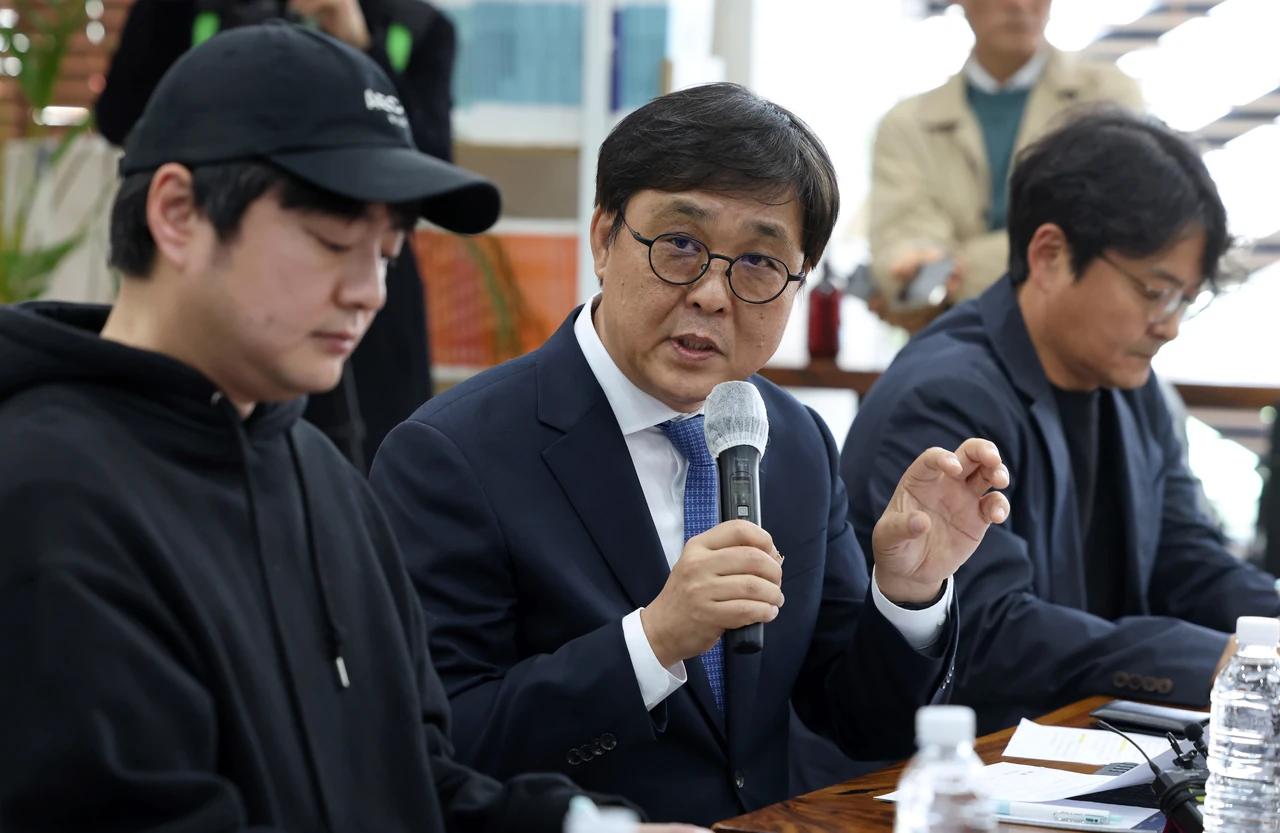
South Korea ramps up film funding and ticket discounts to revive cinema
South Korea is injecting 65.6 billion won into film production and bringing back 6,000 won ticket discounts as Seoul tries to restart a movie industry still stuck in a post-pandemic slump.