Share This Article
Korea Just Recruited 1,152 Creators From 98 Countries to Build Hallyu's Next Growth Engine
South Korea has recruited 1,152 creators from 98 countries and paired that scale with a separate 120-person field program, showing how Hallyu is evolving into a creator-led K-culture distribution system.
May 11, 2026
South Korea just scaled its Ministry of Culture, Sports and Tourism-backed K-influencer program to 1,152 creators from 98 countries, turning what used to look like a niche Hallyu support project into a serious global distribution machine. According to The Korea Times' May 7 report, the seventh cohort will produce videos about Korean history, culture, traditions, and daily life, and the ministry is layering in AI training, expert consultations, specialized lectures, and a formal launch event to sharpen execution. That matters because Korea is no longer betting only on blockbuster songs and bingeable dramas to carry the wave. It is building a repeatable creator network that can translate subway rides, regional festivals, neighborhood food, and everyday rituals into year-round social content for audiences who may never join an official fan community, buy an album, or stream a full series.
The 1,152-person cohort is only half of the 2026 strategy
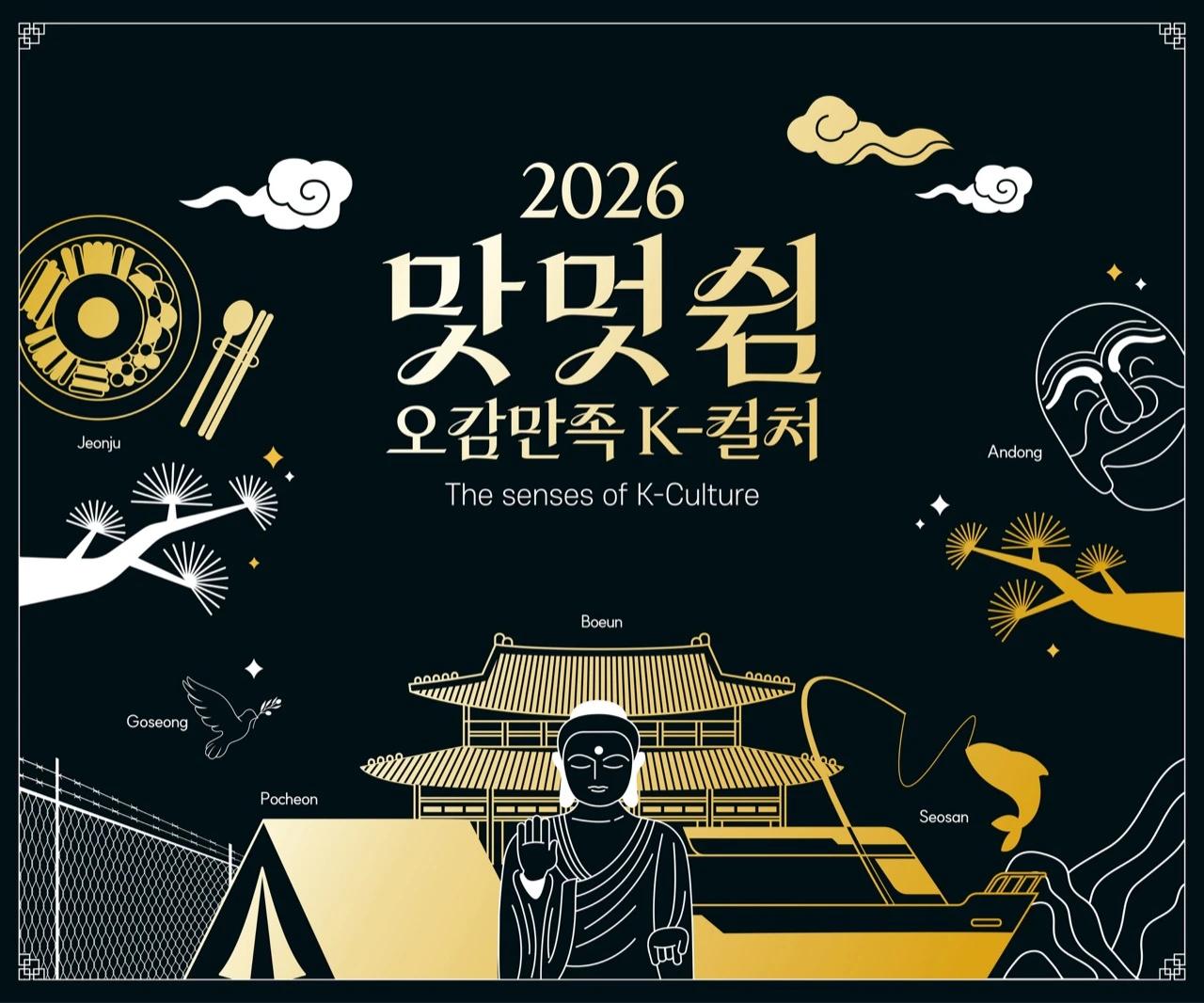
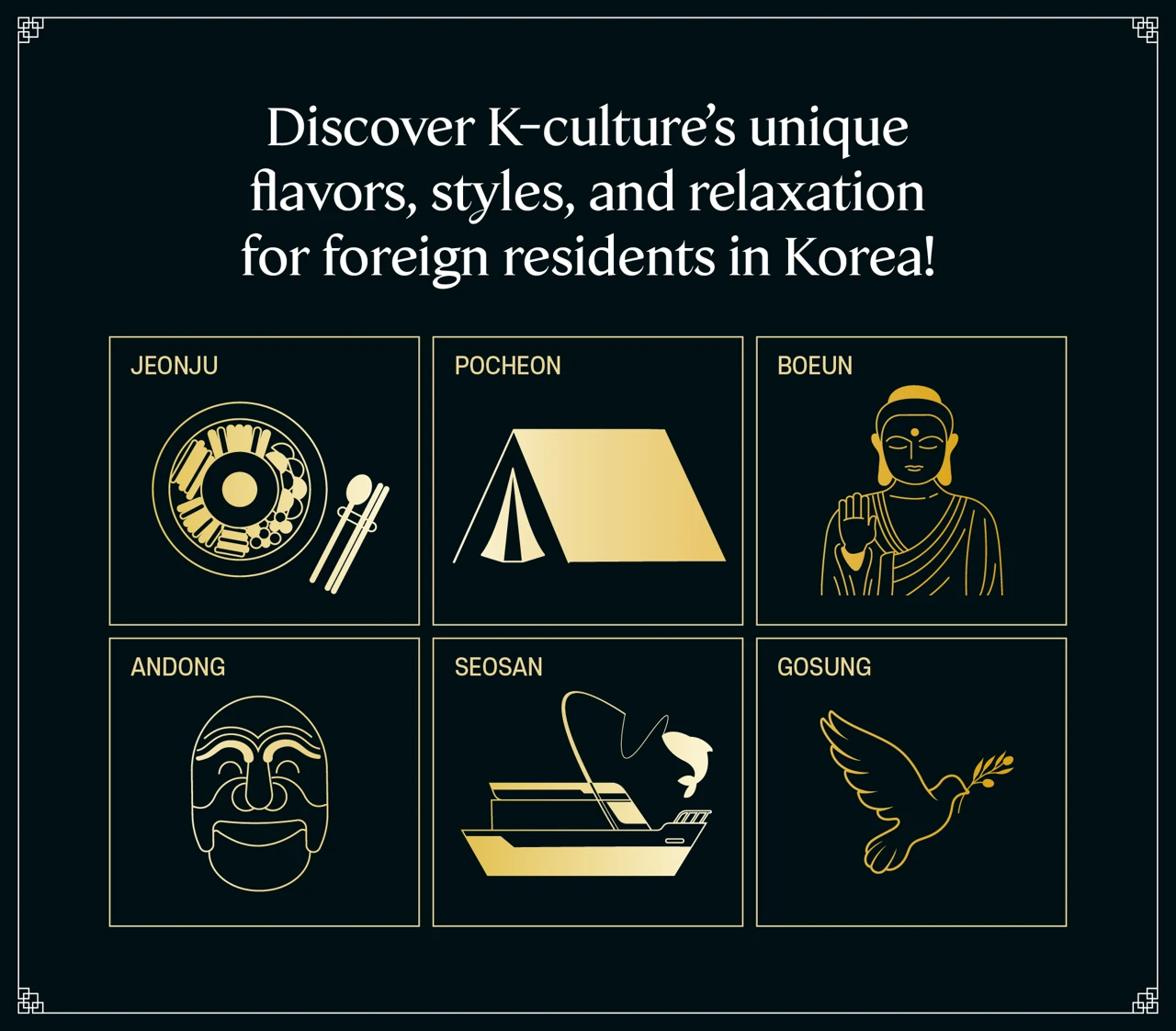
Korea's 1,152-member K-influencer class is only one lane in a wider 2026 push, because a second program is already sending roughly 120 foreign creators across regional Korea through November. KOFICE and the culture ministry confirmed via KBS World that The Senses of K-Culture program will move participants through six rounds of field experiences in places including Jeonju, Pocheon, Boeun, Andong, Yeongju, Dangjin, Seosan, Goseong, and Sokcho. KBS World's coverage makes clear the project is a deliberate attempt to widen Korea's brand story beyond K-pop and K-dramas and toward regional life, heritage, and slower forms of cultural discovery. Put those two programs together and the logic gets clear fast. One track scales creator volume globally. The other gives creators on-the-ground material that feels local, textured, and more useful than another generic Seoul montage. It also gives the ministry a measurable volume play instead of another soft-power slogan.
Korea wants Hallyu to behave more like infrastructure than hype
The real shift is structural. Korea is treating creator distribution the way media companies treat owned channels and the way tech platforms treat user acquisition. Instead of waiting for one idol comeback or one breakout drama to pull people in, the government is recruiting thousands of smaller storytellers who can keep Korean culture present in feeds every week. According to The Korea Times, 4,184 applicants from 134 countries applied for this year's K-influencer intake, which tells you the demand side is already there before any official boost even begins. What Seoul seems to be optimizing now is conversion: take global curiosity, give it institutional support, then turn it into a steady stream of creator-made explainers, vlogs, recommendation clips, and lifestyle content that reaches viewers in their own language and local algorithmic context. That is a much stickier growth loop than waiting for one breakout export to do all the work.
That approach also fits what we have already seen in our coverage of K-culture tourism's spending power, in our breakdown of the 2025 Hallyu trend report, and in our look at Gaeul's Reading Korea role. Korean culture is strongest when it moves as an ecosystem, not as a single export category. Music brings people in. Drama deepens attachment. Food, beauty, language learning, and travel habits keep the relationship alive after the first fandom hit. If policy makers want that curiosity to mature into long-term engagement, they need off-ramps into everyday culture, which is exactly why culture-led vlog lessons built for Korean learners feel adjacent to this moment. The next phase of Hallyu is not just reach. It is retention.
The smartest part of this push is that it decentralizes Korea itself
The smartest part of the 2026 play may be geographic rather than digital, and it is where the broader K-culture ecosystem starts to look deliberate instead of diffuse. As reported by KBS World, The Senses of K-Culture itinerary stretches from Jeonju to Sokcho instead of recycling the same Seoul postcard, and that matters if Korea wants K-culture to become a national experience rather than a capital-city highlight reel. We have been here before with government language around soft power, and sometimes that language outruns the real audience response. Still, this plan feels sharper than the usual slogan-heavy rollout because it pairs scale with specificity. Foreign creators are not just being told to love Korea. They are being handed routes, themes, production support, and a reason to show followers something more layered than concert clips and convenience-store hauls.
If you've been treating Hallyu as a hits business, this is the correction. According to KBS World, the regional route is meant to keep creators moving through multiple provinces instead of collapsing the whole story back into Seoul. Korea is trying to industrialize the middle of the funnel, where interest becomes habit and habit becomes cultural loyalty. That does not guarantee every creator video lands, and it definitely does not mean the state can manufacture authenticity on command. But as a growth strategy, it is smarter than waiting for the next global smash. Korea's next soft-power leap may come from a thousand smaller uploads that make regional culture, everyday life, and local texture feel accessible long before the next arena tour announces itself.