Share This Article
MONSTA X Returns With Unfold: Their First English Album Since 2021
MONSTA X announces Unfold, their first English album since The Dreaming, arriving April 3, 2026. The K-Pop veterans mark a decade with a global push and world tour.
March 4, 2026
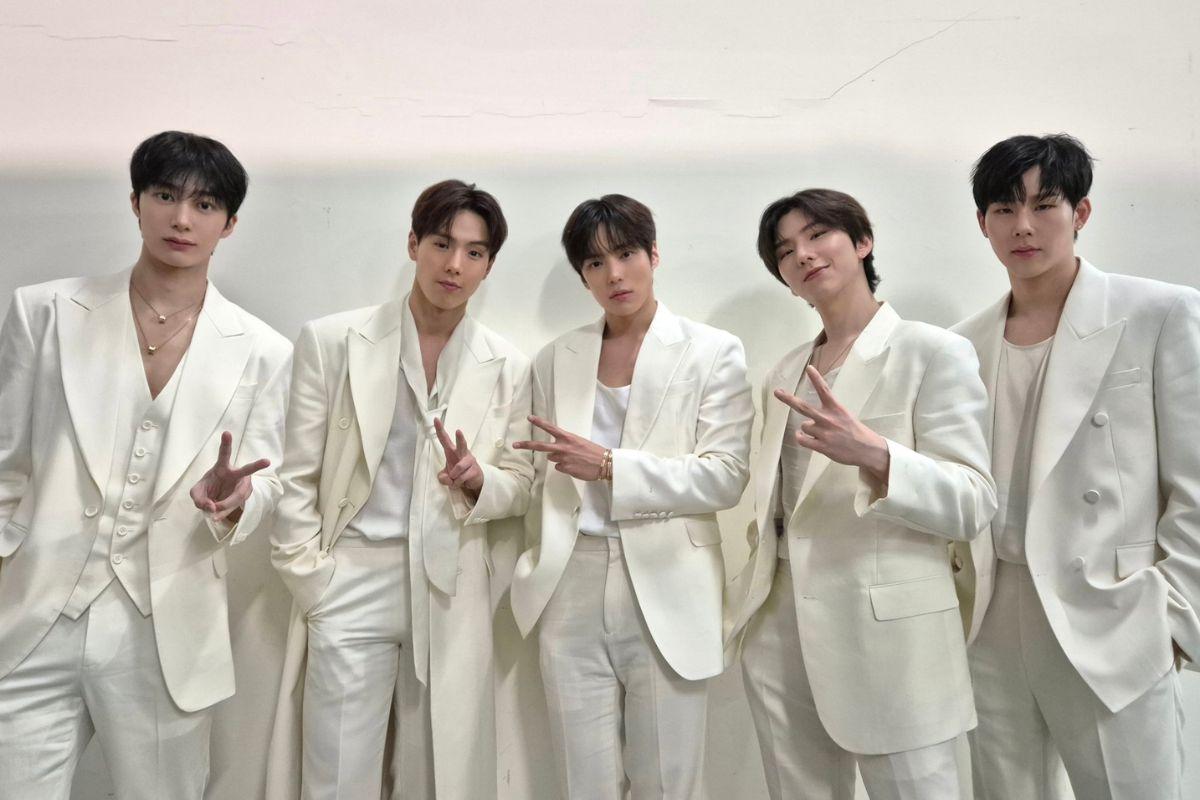
MONSTA X released Unfold on April 3, 2026 as its first full English-language album since The Dreaming in 2021, and the bigger point is that the group used its 10th anniversary era to restart its Western push with real infrastructure behind it. According to StarNews Korea's March 4 announcement, Unfold was locked for an April 3 release, while later coverage from HelloKpop framed it as the group's third English full-length built around a midnight-local drop and same-day music video rollout. That matters because this was not a random side project dropped between Korean comebacks. It was a deliberate global-market extension timed after the group's reunion momentum, anniversary concerts, and renewed management setup. For a veteran act re-entering the market after staggered military service, Unfold was less about novelty than about proving MONSTA X could still scale internationally on purpose.
Unfold mattered because MONSTA X was restarting its English-language lane with intent
Unfold mattered because it gave MONSTA X a proper return to the English-language lane it had not fully occupied since The Dreaming. The older article was right to point at continuity, but the cleaner read is strategic sequencing. The group had already used 2025 to restore full-group visibility through the CONNECT X anniversary concerts, then carried that attention into a spring 2026 release built for listeners outside Korea as much as inside it. HelloKpop reported that the album arrived with the pre-release singles Baby Blue and Growing Pains, while StarNews Korea emphasized the April 3 date early enough to let the comeback gather anticipation like a major era instead of a surprise drop. That framing matters because veteran-group international releases often get treated like side quests. Unfold was positioned as a core MONSTA X chapter, not a sentimental add-on for old fans.

The album landed after reunion proof, not before it
The album also benefited from timing that felt earned rather than hopeful. By the time Unfold arrived, MONSTA X had already shown that its post-service reunion still carried real fan demand. The group's three-night CONNECT X anniversary stand at KSPO Dome sold out and gave the reunion era emotional weight before the spring release cycle even began. That context is what made Unfold more believable as a global-market bet. As reported by the group's earlier rollout and reflected in the comeback framing, lead single Growing Pains was co-written by Joohoney, which helped reinforce that MONSTA X was not simply outsourcing its English-language identity to external writers and handlers. We have seen other acts return from hiatus only to lean on nostalgia. MONSTA X came back with proof of demand first, then used Unfold to widen the frame beyond Korea.
What mattered most was the infrastructure around the release
The strongest part of the Unfold story was the infrastructure around it. The original piece noted US representation and distribution support, and that is still the key business takeaway. Veteran K-pop acts do not break through globally by accident, especially not in a market that has become more crowded since MONSTA X first crossed into English-language releases. What Unfold showed is that the group entered 2026 with enough brand memory, fan loyalty, and label coordination to make another direct Western-facing play feel rational instead of symbolic. If you have followed how K-pop's senior groups now stretch careers through touring, catalog leverage, and multilingual releases, this album fits that pattern cleanly. MONSTA X was not trying to pretend the industry had not changed. It was trying to prove a second-decade group could still use those changes to its advantage.
Our take
Unfold did not need to reinvent MONSTA X to matter. It needed to remind the market that the group's English-language ambition was still alive after years shaped by solo work, enlistment gaps, and a much younger competitive field. According to StarNews Korea and HelloKpop, the April 3 release was built and announced like a meaningful international chapter, not a fan-service epilogue. That alone gave the album more weight than many veteran-group global detours get. We like the release most as a timing story. MONSTA X waited until reunion sentiment, anniversary scale, and fan confidence were visible again, then pushed outward. That is smarter than rushing for relevance. Whether every track landed is a separate conversation. The more durable takeaway is that MONSTA X still understood how to package its return as a global-era statement rather than a nostalgia lap.