Share This Article
Billlie’s AI-Plagiarism Controversy Just Made '$ECRET NO MORE' Bigger Than the Comeback Teaser
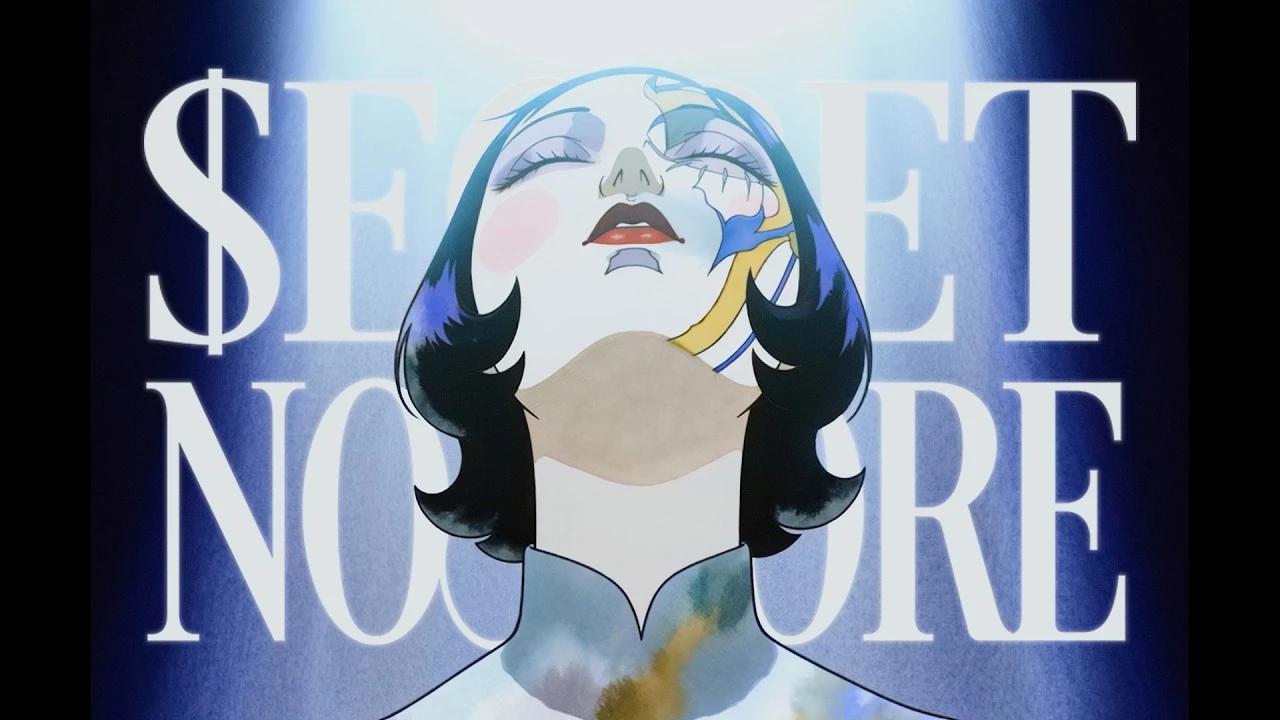
Billlie’s May 6 comeback is now carrying an AI-plagiarism controversy after fans and the creators of a French short film accused the '$ECRET NO MORE' teaser of leaning on generative AI and borrowed visual language.
April 27, 2026
Billlie (빌리) is heading into its May 6 comeback under a cloud after the group’s animated cartography of the unconscious film for B-side “$ECRET NO MORE” triggered generative-AI and plagiarism accusations from fans and the creators of the French short film Niccolò. According to Soompi’s April 25 report, which reproduced Mystic Story’s English statement alongside the creators’ complaint, the label denied intentional appropriation or copyright violation after an internal review. Mystic Story also said it would be more cautious around AI-related production choices going forward, while later public comments from CEO Jungsu Han promised no unnecessary AI use in Billlie or Mystic Story work as reported by allkpop. That matters because Billlie’s first full album, the collective soul and unconscious: chapter two, is still scheduled for May 6 at 6 p.m. KST, so the comeback week conversation has already shifted from anticipation to authorship, process, and whether the rollout can regain trust before release day. The label had almost no buffer to contain the backlash before album day.
This is why the teaser fallout is bigger than one messy pre-release cycle. Billlie built its identity on lore, atmosphere, and careful visual world-building, so any suggestion that a key comeback asset leaned on machine-assisted shortcuts or borrowed design language hits the core of the group’s creative pitch. We have seen teaser complaints burn hot and disappear before. This one stuck because it asks a harder question about who actually made the world fans were being asked to buy into.
Why the “$ECRET NO MORE” backlash hit harder than a normal teaser complaint
The backlash became a real comeback problem once the conversation moved from whether the teaser looked unusual to whether it crossed an authorship line. According to Soompi, fans first flagged the film’s stylized animation as possible generative AI before the creators of Niccolò, a 2025 French student short, publicly said on social media that their work had been used without permission or credit. That is the point where this stopped feeling like routine stan outrage and started looking like a credibility issue around process, originality, and respect for artists outside K-pop’s own system. We have seen teaser debates come and go, but allegations about how a label built a visual are different. They stick because they hit the exact thing fans want from a concept-heavy group like Billlie: intention, authorship, and a world that feels handmade instead of machine-assisted.
Mystic Story’s response tried to close the issue, not erase it
Mystic Story’s current position is clear on paper, even if it has not fully cooled the room. According to Mystic Story’s April 25 English statement, as reproduced by Soompi, the company said the film was created as an original work and that its internal review found no intentional appropriation and no copyright violation, while also promising more careful review around AI-related production choices going forward. Later, CEO Jungsu Han apologized and said there would be no unnecessary AI use in Billlie or Mystic Story work, according to allkpop's April 25 follow-up. That kind of assurance only lands if fans believe the process was actually documented. That shift is the real story inside the statement cycle. It tells you the label understood the fan pushback was not just about optics. It was about trust. When a group trades on lore, atmosphere, and visual authorship, the audience expects every part of the rollout to feel deliberate. Once that trust gets dented, even a polished apology reads less like closure and more like damage control before release week.
Billlie’s May comeback now has a sharper stakes question
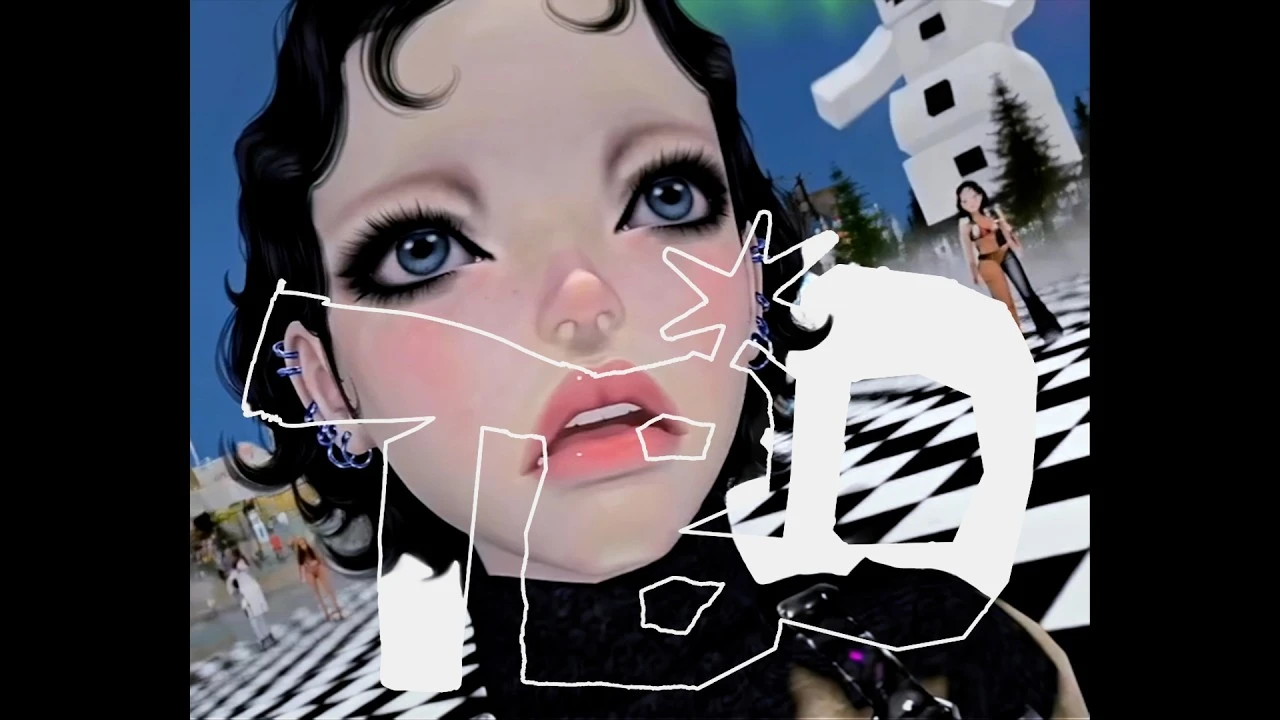
Billlie’s album is still scheduled for May 6 at 6 p.m. KST, according to Mystic Story’s teaser rollout and our earlier coverage of the comeback schedule, so the release itself is not the uncertain part. The bigger question is whether the music can outrun the rollout discourse fast enough to reset the mood. That is possible. K-pop fans will absolutely lock back in if the songs hit. But this controversy changed the frame from “Billlie is finally back with its first full album” to “can Billlie and Mystic Story restore confidence before the album lands?” That is a much tougher headline to wear in comeback week.
There is also a broader industry angle here. Billlie has always sold a carefully built universe, and that is exactly why this story traveled beyond the group’s own fandom. When labels flirt with AI-adjacent visuals, they are not only making a production choice. They are testing how much ambiguity fans will tolerate around authorship. We argued in our recent piece on K-pop’s relatability era that fans are rewarding campaigns that feel direct, specific, and human on first contact, which is exactly why AI-adjacent ambiguity lands so badly here. The wider K-pop commentary ecosystem, including outlets and podcasts like The Kpopcast, keeps rewarding acts that feel specific, intentional, and human in their creative identity. That is why this moment matters. If Billlie’s full album delivers, the group can still turn the conversation back toward music. If it does not, this teaser controversy becomes the story people remember first.