Share This Article
K-pop Just Turned Japan Into a Stadium and Dome Super Weekend
TVXQ, TWICE, aespa, and DAY6 are stacking major Japan venues across April 25 and 26, turning one weekend into a clear measure of K-pop's touring power in the market.
April 26, 2026
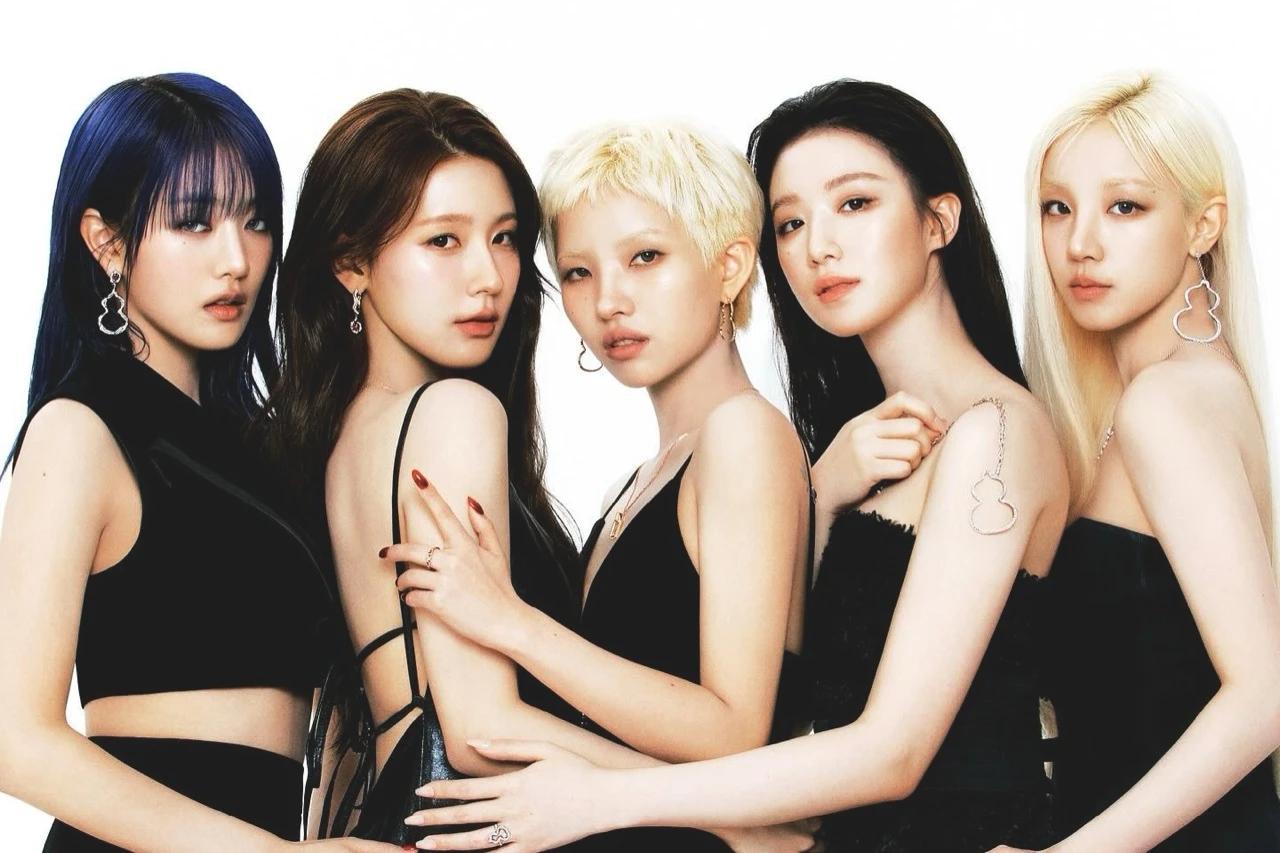
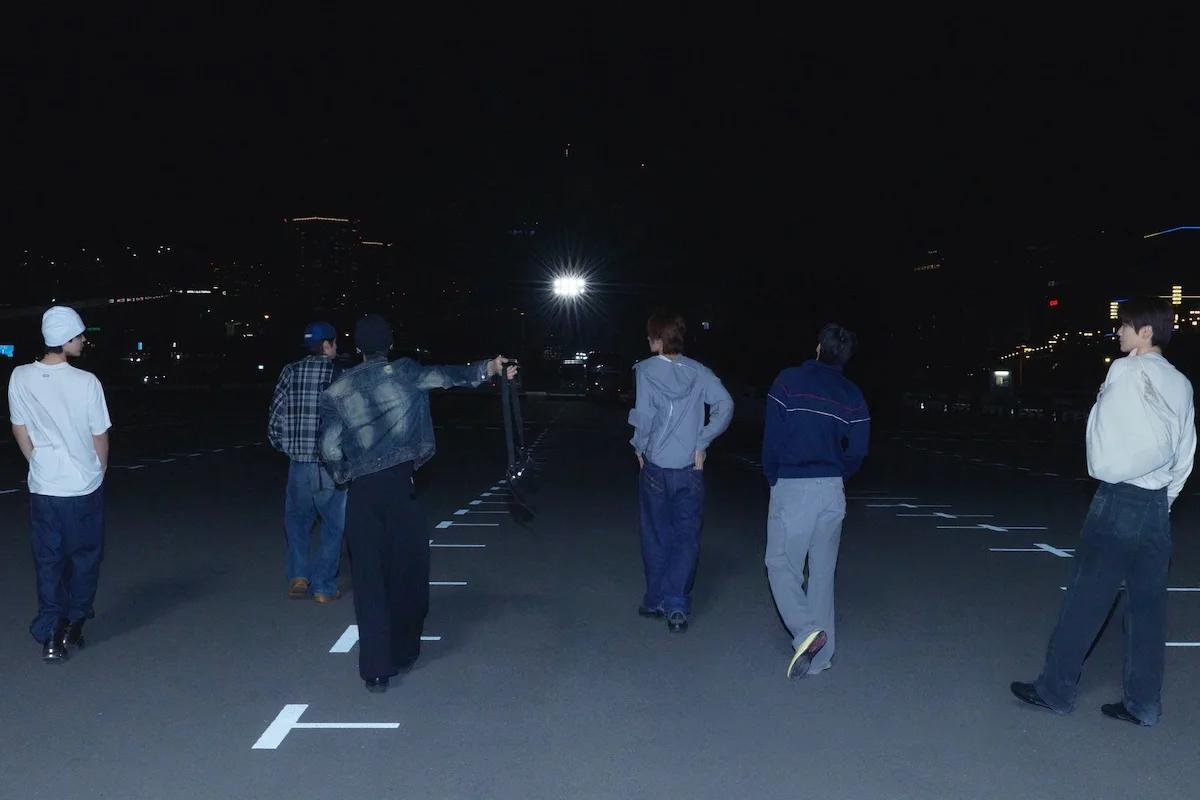
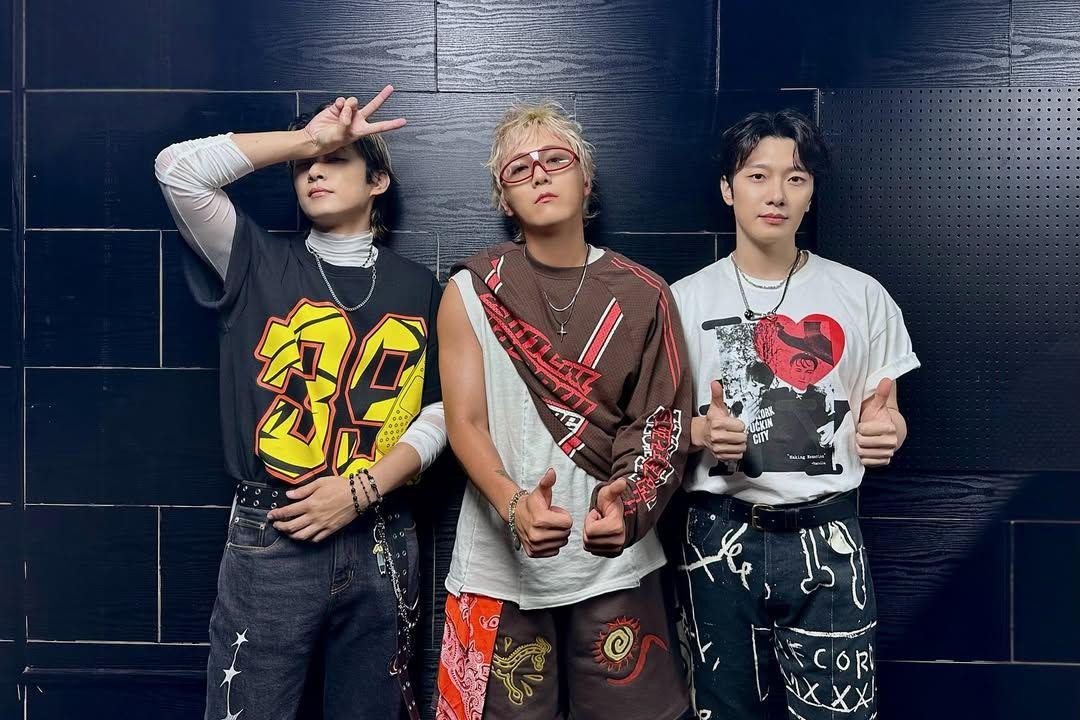
TVXQ, TWICE, aespa, and DAY6 are turning April 25 and 26 into a live market stress test for Japan, with stadium and dome scale shows stacked across Yokohama, Tokyo, and the capital's arena circuit. According to Dong-a Ilbo's April 21 market report, that concentration shows K-pop is no longer treated as a foreign niche in Japan, while official event pages confirmed TVXQ at Nissan Stadium, TWICE at Japan National Stadium, and aespa at Tokyo Dome. Add DAY6 at Keio Arena Tokyo, as reported by the same Dong-a Ilbo roundup, and the market signal gets louder. This matters because four very different acts, from legacy duo to girl group powerhouse to live band, are all clearing premium Japanese rooms in the same two-day window. That is not a fluke weekend. It is a snapshot of a touring economy with enough depth, venue access, and fan spending power to support several K-pop peaks at once.
Japan still sits at the center of K-pop's touring economy for a reason. According to Dong-a Ilbo, South Korea's album exports reached $301.74 million last year, with Japan accounting for the biggest share at $80.62 million, and the same report cited Tower Records Shibuya saying K-pop now drives its largest sales category. We have been seeing the signs for months. RIIZE's Tokyo Dome breakthrough, K-pop's sweep at the Japan Gold Disc Awards, and aespa's 2026 world tour routing all pointed the same way. This weekend simply strips the trend of any remaining doubt. Japan is where K-pop proves it can scale repeatedly across generations without waiting for one flagship act to carry the whole business.
One weekend is showing four very different kinds of K-pop power
TVXQ's official Japanese site confirmed Nissan Stadium shows on April 25 and 26, while TWICE's Japan tour page listed National Stadium dates on April 25, 26, and 28. Dong-a Ilbo separately reported that aespa would play Tokyo Dome over the same weekend, and the paper's lineup roundup also placed DAY6 at Keio Arena Tokyo. Put those bookings together and the market story gets very clear. TVXQ represents deep catalog loyalty. TWICE represents multigenerational mainstream reach. aespa represents fourth-generation demand with repeat dome upside. DAY6 represents a band format that can still move major rooms in a market usually discussed through idol pop.

Japan is rewarding K-pop acts that can localize, scale, and come back fast
Japan is valuable because it rewards repeat demand, premium ticketing, and fan behavior strong enough to support multiple major acts in parallel. Dong-a Ilbo framed this weekend as evidence that K-pop is now a core local market segment rather than a novelty import, and the venue calendar backs that up. TVXQ built the template years ago. TWICE kept expanding it with a lineup that connects cleanly in Japan. aespa, under SM Entertainment, has already shown it can turn Tokyo Dome into a repeat stop instead of a one-time flex. DAY6, from JYP Entertainment's band lane, proves the appetite is not limited to one production style. Even BTS wrapping Tokyo Dome dates just ahead of this run adds to the feeling that Japan's top venues now operate like an ongoing K-pop highway, not an occasional destination.
TVXQ and TWICE are carrying the historical weight of the weekend
TVXQ matters here because Japan did not become a dependable K-pop stadium market by accident. Dong-a Ilbo described the duo as one of the most symbolically important Korean acts in the country, and that read fits the long arc of their touring history. TWICE matters for a different reason. The group's three-date National Stadium run turns that older groundwork into a new ceiling for a current-generation act. This is what market maturity looks like. Legacy names can still command prestige rooms, and active top-tier groups can push the scale even higher without cannibalizing the whole weekend. That is why the Japan calendar keeps looking stronger than a lot of rivals expect.
K-pop's next phase may be decided by venue access as much as fandom size
K-pop already has the audience. The next bottleneck is infrastructure. According to the official TVXQ and TWICE event pages and Dong-a Ilbo's venue roundup, Japan has enough large-capacity rooms to host several premium K-pop events on the same weekend without making the market feel overstuffed. When TVXQ, TWICE, aespa, and DAY6 can all command different corners of Japan at once, the story stops being about one-off popularity and starts being about an ecosystem built to monetize demand. That is the bigger takeaway for agencies, promoters, and fans watching the touring business evolve. Japan is not just hosting K-pop's biggest weekends. It is showing what the genre looks like when the venue map is finally big enough for its scale.