Share This Article
Google Play's Faker x Karina teaser shows how valuable K-pop x esports casting has become
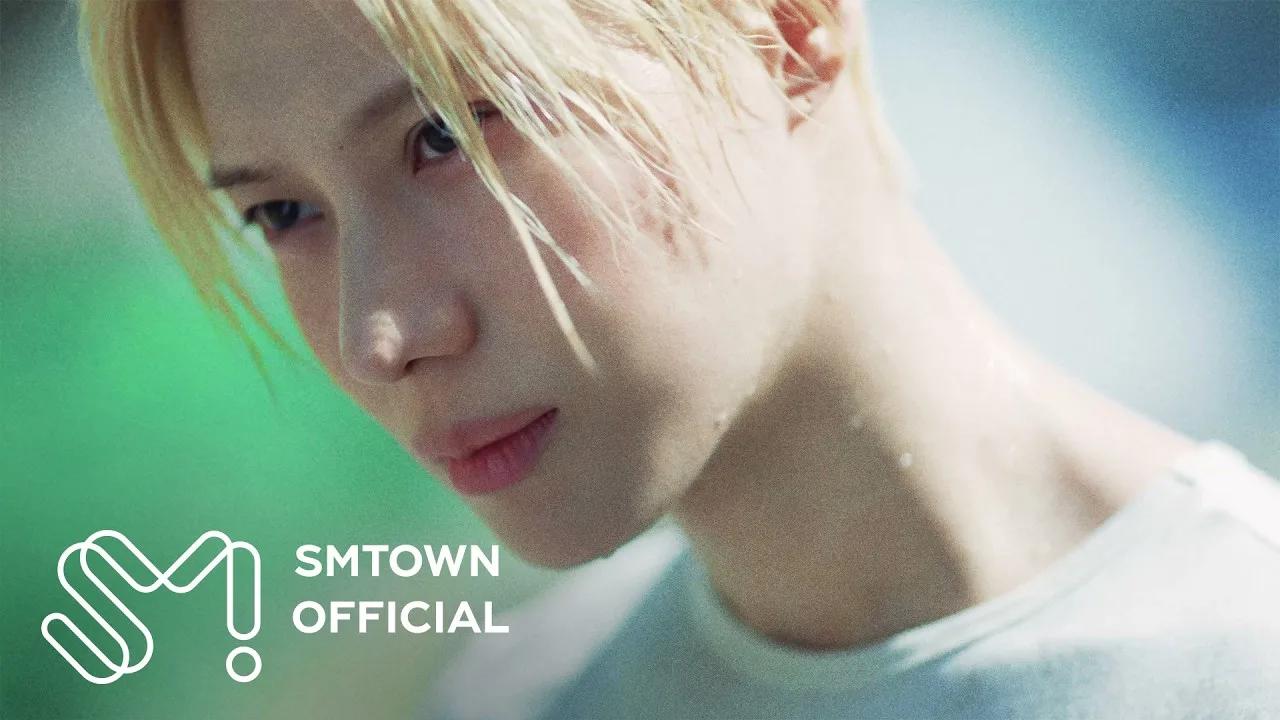
Google Play's PLAY ON PLAY teaser pairs Faker and aespa's Karina in a short-form campaign that treats K-pop and esports crossover casting like premium event IP, not disposable ad inventory.
May 11, 2026
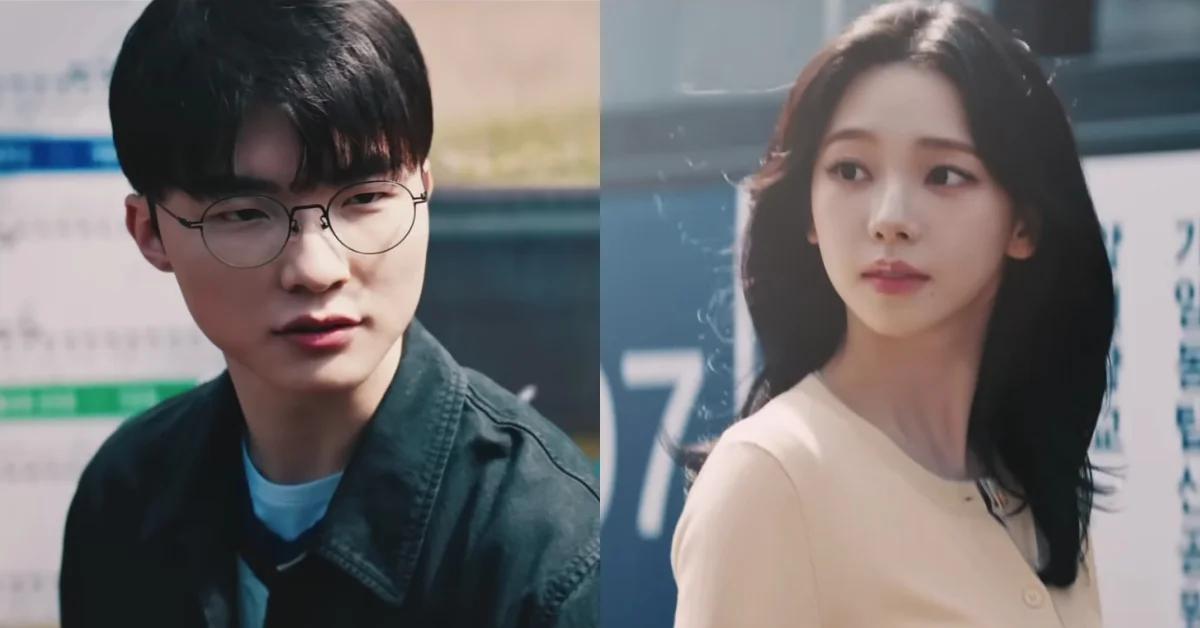
Faker and Karina fronted Google Play Korea's PLAY ON PLAY short-form campaign, with the teaser dropping on May 8, 2026 and the first full episode following on May 15, according to Google Korea's official blog and Korea JoongAng Daily's report. The hook was not just that Korea's biggest esports icon and one of K-pop's most bankable faces were sharing a frame. It was that Google Play packaged that chemistry like premium entertainment IP, complete with confession-drama staging, a scheduled release date, and enough mystery to send both fandoms into theory mode. According to Google Korea, that event-style framing was deliberate. When a platform spends this much effort making an ad feel like appointment viewing, it is saying something simple about the market. K-pop and esports are no longer adjacent internet tribes. They are mainstream campaign engines that can move culture together.
Google Play is selling crossover casting as event content, not background advertising
Google Korea said the PLAY ON PLAY campaign will show the two stars "immersed in the appeal of gaming," while Yonhap reported that the teaser ends with Faker pulling Karina's wrist and saying "I like you" in a spring-street setup built like a drama beat, not a standard app commercial. That distinction matters. Faker, born Lee Sang-hyeok, already carries myth-level status through T1, while Karina remains one of the clearest visual centers of aespa's current global run. Put them together and Google Play is not borrowing fame one side at a time. It is borrowing two fandom systems that already know how to clip, quote, ship, remix, and circulate every frame. Google also confirmed the project is a special collaboration produced by Dolphiners Films, which tells you the creative brief was built for buzz, not just reach.
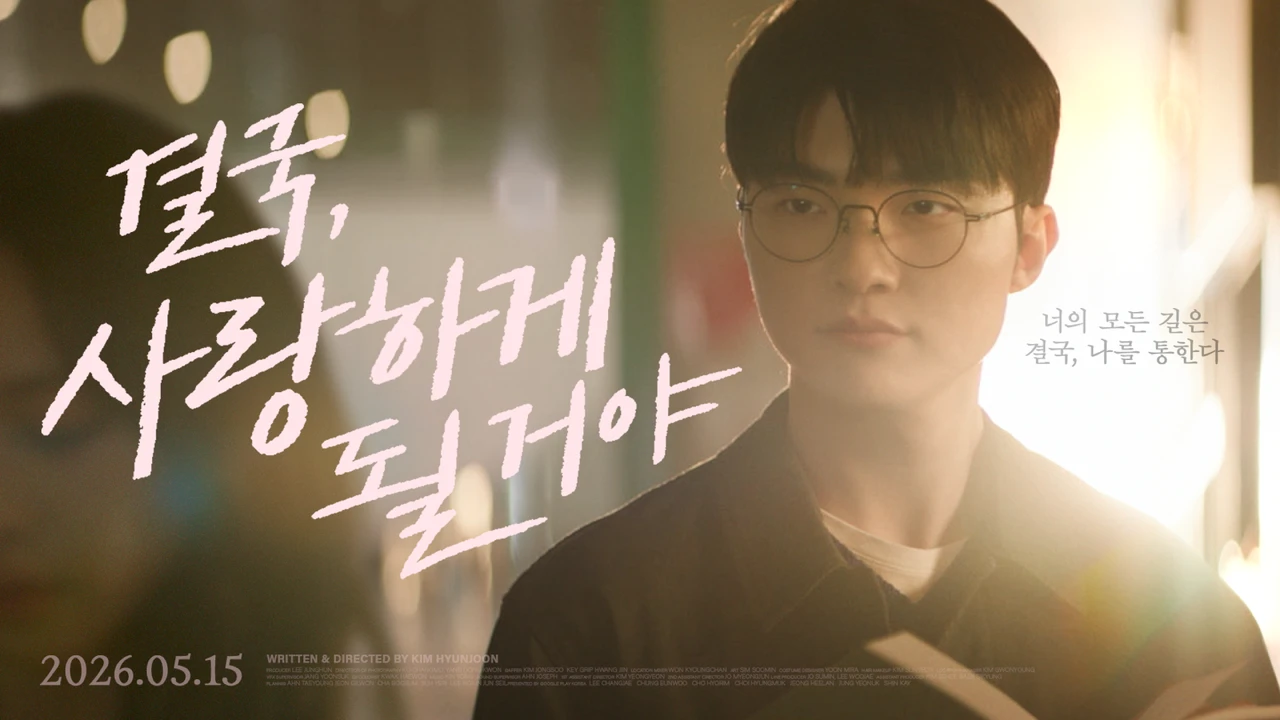
The teaser works because it makes both fandoms read the same scene differently
The early reaction was immediate because the clip invites two kinds of projection at once. On Reddit's r/kpop, fans joked about Faker suddenly looking like a K-drama male lead, while others fixated on Karina's casting because she can sell cool distance and romantic tension in the same shot. That split is exactly why the teaser travels. Esports fans get to see a famously composed competitor dropped into soft-focus narrative mode. K-pop fans get a glossy mini-drama setup built around a star who already knows how to dominate short-form attention. Google Play does not need to explain the appeal if the internet is already doing the decoding for it.
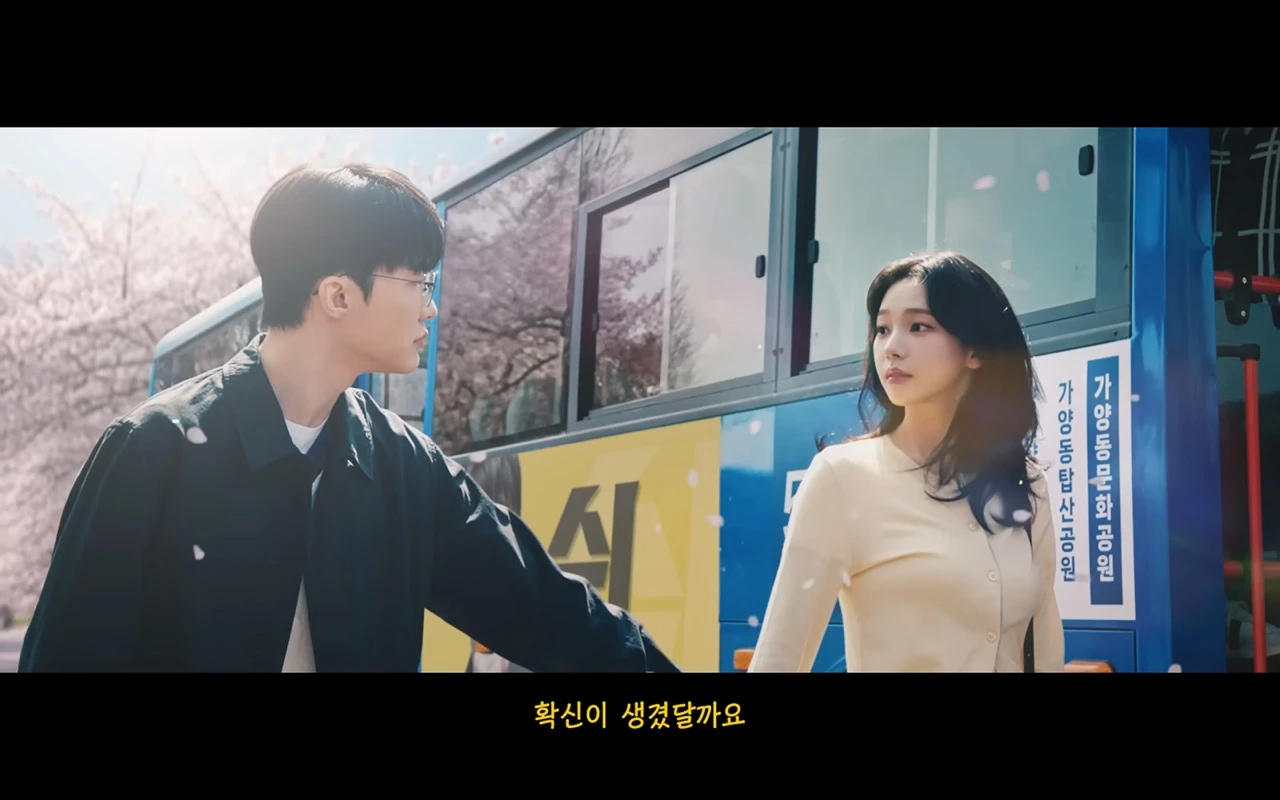
This is also a smart reminder of how far Faker and Karina travel outside their home lanes
Faker has been mainstream enough for years that diaspora outlets like NextShark covered the 2023 military-exemption debate around his Asian Games run, while Karina keeps moving between idol, fashion, and internet-discourse headlines, including her recent Prada Met Gala moment. That broader reach is what makes this pairing commercially sharp. Google Play is not introducing two niche celebrities to each other's audiences. It is using two already-scaled Korean stars whose images can travel across gaming culture, luxury fashion, fandom humor, and general entertainment media without losing heat. We have already seen aespa's current expansion cycle turn every Karina move into a larger brand signal. This campaign extends that logic into gaming, and it gives Faker a rare piece of pop-storytelling framing at the same time.
What the May 15 release proved
The last test was whether Google Play could turn teaser curiosity into a full episode people actually wanted to replay. According to Google Korea's announcement, the payoff arrived on May 15, while Korea JoongAng Daily noted that the campaign had protected broader plot details until launch. That restraint was probably the point. Google also said the series was built as a special collaboration produced by Dolphiners Films, which means the platform treated story texture as part of the media buy rather than extra decoration. The campaign had already done the hard part by making a platform ad feel like a crossover event. The completed rollout stands as another proof point that Korean brands now see K-pop and esports not as separate media buckets, but as one shared attention economy.