Share This Article
K-Dramas Are Going Full Genre-Stack in 2026, and Viewers Want More
K-dramas are packing romance, fantasy, action, comedy, and mystery into the same 2026 titles, turning genre-stacking into a visible programming strategy.
May 18, 2026
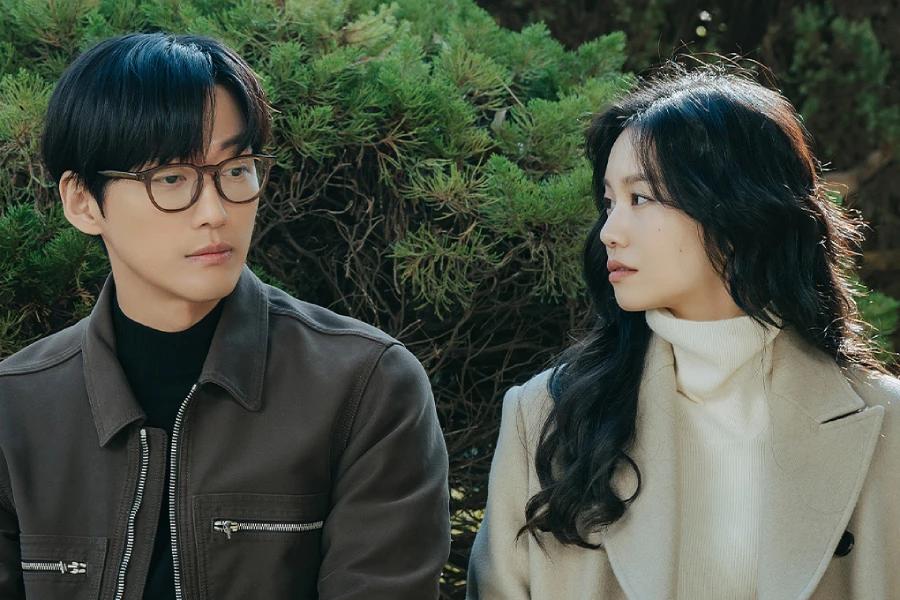
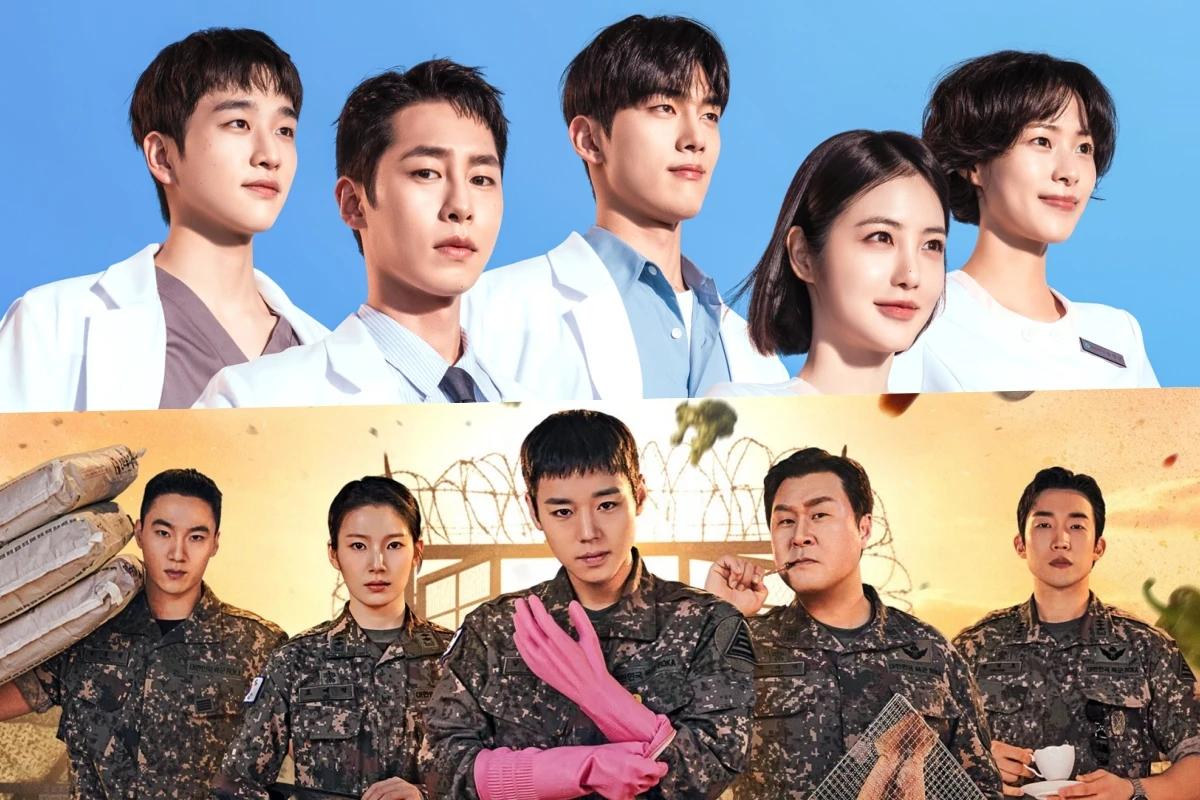
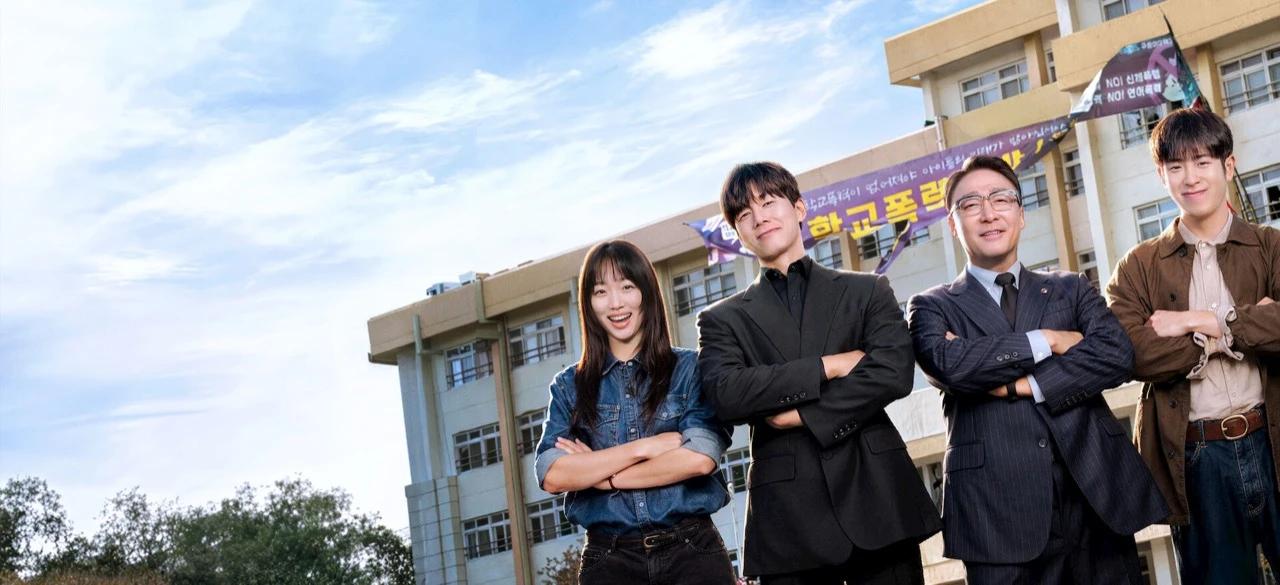
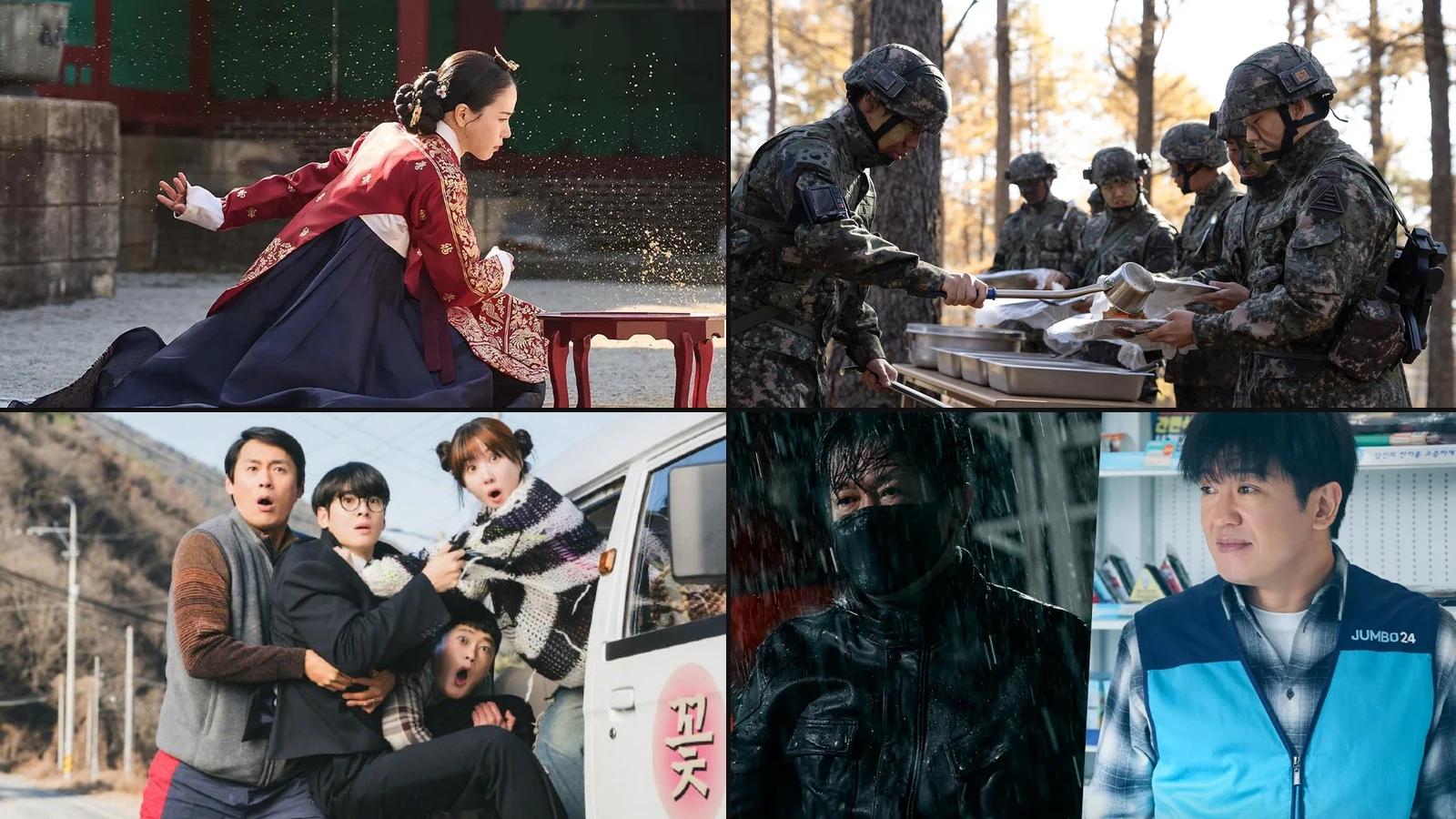
K-dramas are making genre-stack storytelling look like a real 2026 programming strategy, with current titles mixing romance, fantasy, action, comedy, thriller beats, and mystery instead of staying in one easy label. May's release calendar already backs that up with spirit-possession rom-com My Royal Nemesis, military fantasy comedy The Legend of Kitchen Soldier, 1999-set superpower comic action series The WONDERfools, and action-comedy mystery Fifties Professionals. According to Disney+'s official 2026 Korean lineup article, major platforms are actively selling broader genre variety as a feature rather than a risk. That spread matters because Korean TV is no longer selling neat genre purity as the whole pitch. Broadcasters and streamers are increasingly selling tonal range, denser emotional payoff, and one-title packages that can hold viewers who want romance, suspense, and spectacle without leaving the same show. In 2026, the pileup looks intentional, not sloppy.
May's new dramas are making the shift impossible to miss
May 2026's K-drama lineup is packed with titles that would have sounded overstuffed a few years ago, yet now feel market-ready by design. My Royal Nemesis is built as a romantic comedy with spirit possession and rich-family satire in the same engine, while The Legend of Kitchen Soldier pushes military structure, fantasy logic, and comedy into one frame. Netflix's The WONDERfools adds a period setting and superpower action to its comic pitch, and Fifties Professionals wraps its action-comedy tone around a mystery seeded a decade earlier. None of those shows is trying to look clean or singular. They are trying to feel eventful. That is the real tell. Korean drama packaging in 2026 is increasingly built around how many audience appetites one title can satisfy at once, not how tightly one genre label can describe it.
This is why the format shift feels bigger than a temporary buzzword. The overlap is now visible across the calendar, not just in one breakout title, so in 2026 it reads more like a scheduling strategy than a creative flex. Disney+ is signaling the same appetite in its own 2026 Korean slate language, which keeps promising more genres and more twists instead of one stable mood. According to Disney+'s official Korean lineup article, the platform is explicitly selling a broader catalog with bigger tonal variety. The Hollywood Reporter also described Netflix's 2026 Korean slate as a 33-title mix spanning rom-com, superhero drama, unscripted franchises, and prestige cinema. If audiences are splitting their time across short-form video, global streamers, and a heavier weekly release calendar, a drama has to create more reasons to stay inside its world. Stacking tones is one answer. It gives romance fans a ship, thriller fans a plot engine, and casual viewers enough novelty to keep clicking into the next episode.
Disney+ is selling range as aggressively as any single title
Disney+ is not pitching its 2026 Korean slate around one dominant mood either. According to its official 2026 Korean drama lineup article, the platform is explicitly selling more genres, more twists, and a broader storytelling mix. The examples are telling. A Shop for Killers keeps its action-thriller momentum. Battle of Fates turns fortune readers into a reality-competition premise. Gold Land leans into greed and human drama. Perfect Crown sells fantasy romance inside a reimagined constitutional monarchy. The Remarried Empress and Portraits of Delusion both turn fantasy IP into premium adaptation bait. Disney+ is not hiding the business logic either. It is selling tonal range as a retention tool. That is not a platform asking viewers to commit to one house style. It is a platform betting that Korean series stay sticky when every title promises tonal movement instead of one-note familiarity.
That platform logic matters because streamers now program for fragmented attention, not passive channel loyalty. A title that can shift from comedy to danger to romance without feeling broken has a better chance of generating clip culture, weekly speculation, and cross-fandom chatter. We have already seen HITKULTR track adjacent 2026 strategy shifts through our rookie-writer feature and our remake-market breakdown. Genre-stacking belongs in that same conversation because it is another sign that Korean TV companies are adjusting format, not just casting, to stay competitive.
Viewers are rewarding the remix because they already speak the language
Audiences are not rejecting this messier format because K-drama viewers have become unusually fluent in tone-switch storytelling. Fans already track recurring devices like love triangles, umbrella scenes, fate mechanics, and redemption arcs almost like a production language of their own, which explains a lot about why hybrid shows keep landing. A more experienced audience does not need a series to stay inside one tonal box to feel legible. It just needs the transitions to land. When that happens, genre-stacking feels less like chaos and more like payoff density, which helps explain why hybrid dramas are generating so much weekly discussion in 2026. Disney+'s slate language practically assumes viewers are already comfortable with that tonal movement, which is why the platform keeps marketing twists and genre range as selling points instead of warning labels.
We are also seeing fans judge hybrid dramas less by purity and more by balance. Does the comedy sabotage the stakes. Does the fantasy deepen the romance. Does the mystery keep the sentimentality from going soft. Those are the questions people are asking now, and they are more sophisticated than the old single-genre expectation. In practice, that means a drama can get away with bigger swings if the writing earns them. The reward for pulling it off is obvious: stronger word of mouth, more shareable scene-to-scene contrast, and a better chance of cutting through a crowded release month. The Hollywood Reporter also helped frame the competitive context by describing Netflix's 2026 Korean slate as a wide genre mix rather than a one-mood pipeline.
This is starting to look like a structural K-drama advantage
K-dramas may be leaning into genre-stack storytelling in 2026 because it plays to one of the format's biggest strengths: emotional flexibility. Korean series have always been good at moving between sincerity, humor, suspense, and melodrama faster than many Western prestige dramas are willing to try. What feels new is how openly the industry is now packaging that flexibility as a commercial asset. When you place this trend next to shared-universe experiments and the rise of rookie-writer packaging, the pattern gets clearer. Korean drama is not simply making more shows in 2026. It is rebuilding the pitch.
The smartest takeaway is also the simplest one. Viewers are rewarding the chaos because the chaos feels curated. According to Disney+'s 2026 slate language, more genres and more twists now function as a value proposition rather than a warning sign. The best of these new dramas are not random genre mashups thrown together for a trailer. They are carefully stacked emotional offers designed to keep one episode doing the work of three. If that keeps landing, genre purity may stop being the aspirational model for Korean TV. Genre abundance might be the stronger export.