Share This Article
Why Rookie Writers Are Winning K-Drama in 2026
Rookie screenwriters are shaping 2026's K-drama boom because veteran directors, networks, and streamers are giving new voices the production muscle to break through.
April 14, 2026
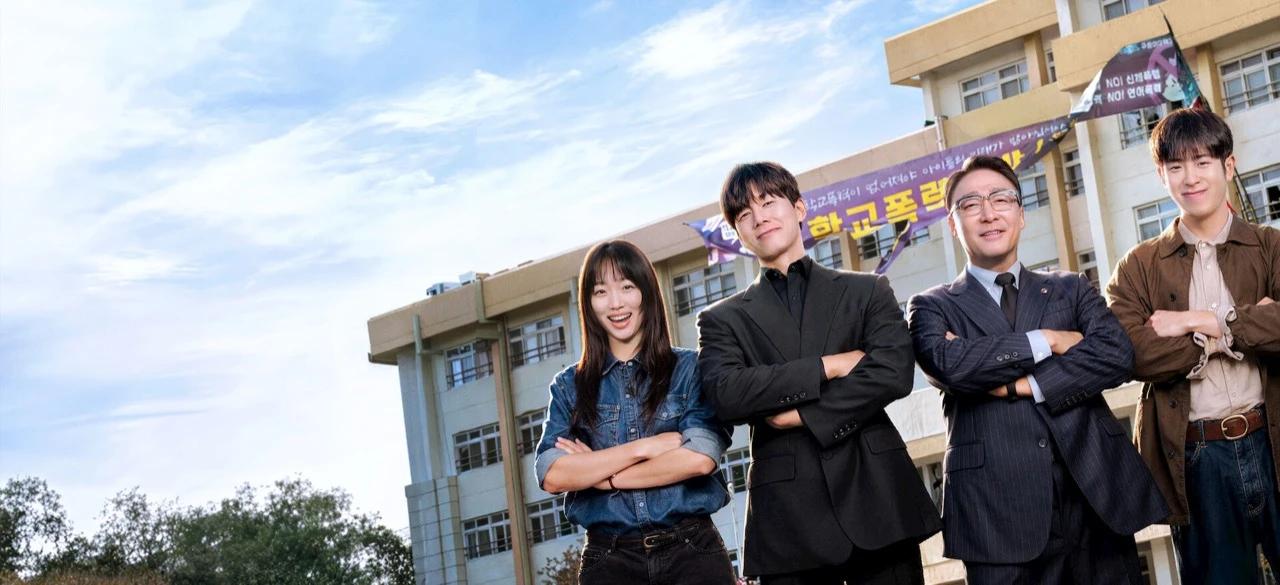
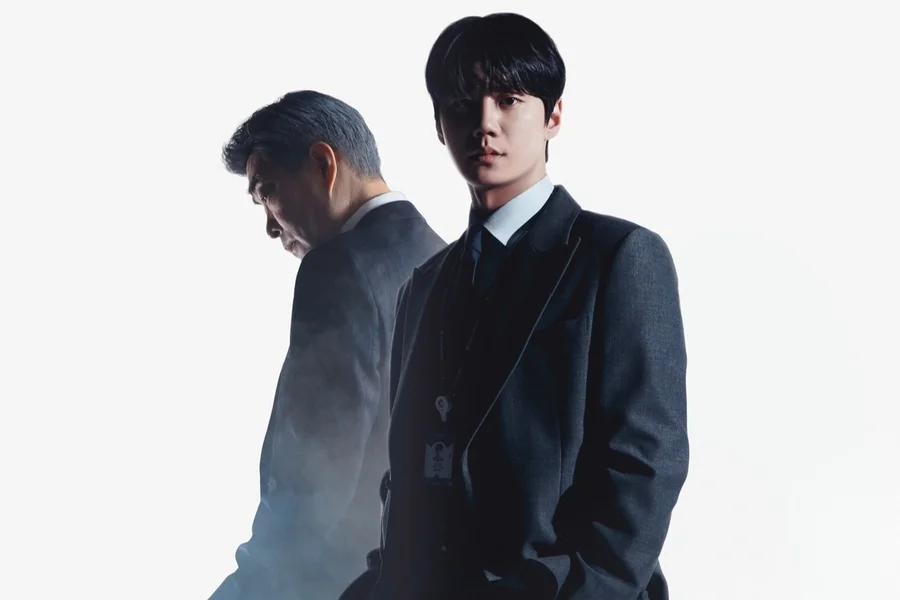
Rookie writers are becoming one of the clearest engines behind 2026's K-drama surge, but they are not breaking through alone. As reported by Chosun's April 14 industry report and reinforced by official 2026 lineup materials, new screenwriters are winning prime slots because veteran directors, broadcasters, and streamers are wrapping those scripts in proven production systems. That formula is showing up across the market, from MBC's Perfect Crown to Netflix's Boyfriend on Demand, where the creative team is now part of the marketing hook. In plain terms, drama buyers are no longer selling audiences on cast alone. They are selling the entire package, with platform backing, experienced direction, and sharper development discipline giving new writers room to look credible immediately. That is exactly why newer writers suddenly feel bankable in 2026. It is a structural shift.
Why the rookie-writer model is suddenly working
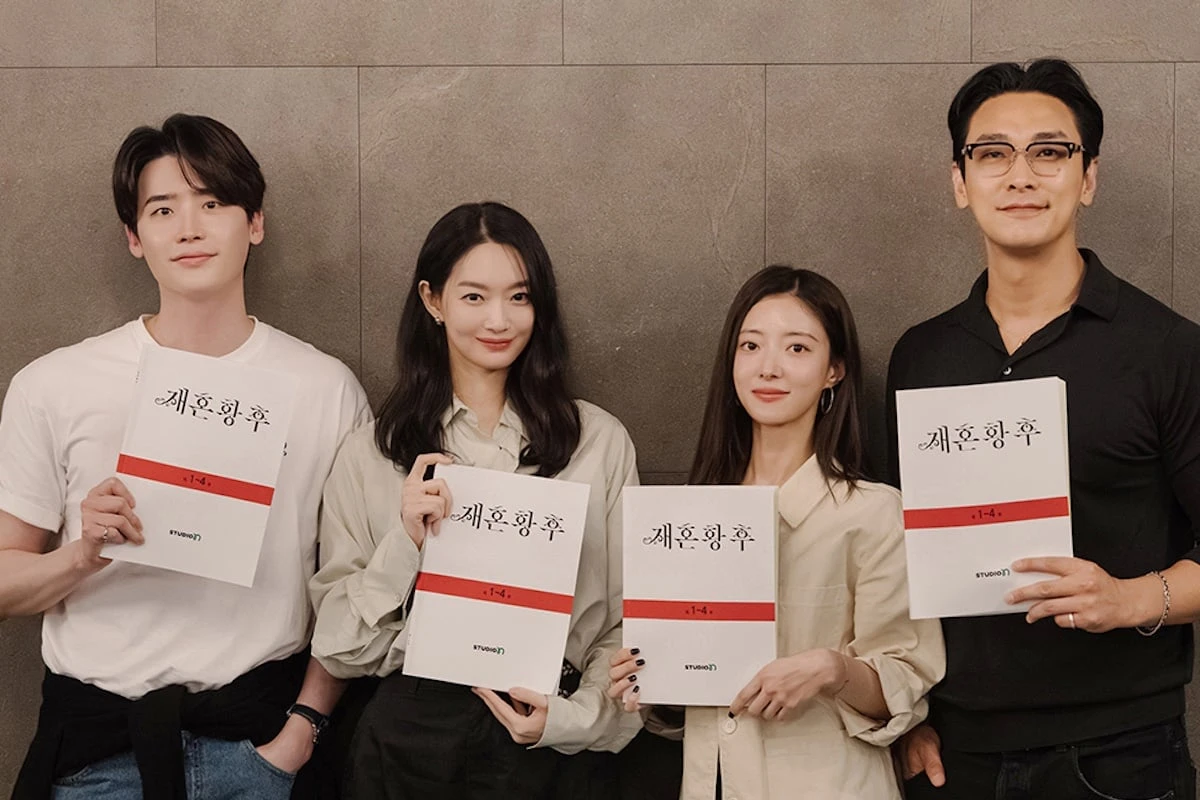
Chosun framed the trend plainly on April 14: rookie writers are gaining traction because established production crews are absorbing part of the risk that would usually scare commissioners away. That matters in 2026 because Korean drama buyers are chasing fresh concepts without sacrificing execution. A new writer can bring a less recycled premise, while an experienced director or broadcaster gives investors confidence that the show will still look premium and land on schedule. We are seeing that balance become a selling point in itself. Outlets covering 2026 lineup rollouts increasingly spotlight who is writing and who is directing in the same breath, not as separate trivia. That shift tells you the market has changed. The writer is now part of the headline, but the veteran team around that writer is what gets the project over the line.
The pattern also reflects how global streaming has changed Korean drama development. Platforms and networks need shows that feel new enough to cut through, but stable enough to justify bigger budgets and louder marketing. A first-time or early-career writer offers novelty. A seasoned director, broadcaster, or production company offers discipline. According to Chosun, that combination is helping power current hits and high-interest launches because it answers both sides of the business at once. The creative side gets a stronger voice, and the commercial side gets guardrails. That is a smarter formula than endlessly recycling the same veteran names on every project. It also explains why so many 2026 drama announcements read like carefully assembled creative pairings rather than star vehicles built around one actor's fandom. In other words, the rookie writer is no longer being sold as a gamble. The rookie writer is being sold as the fresh element inside a package that already looks premium.
Perfect Crown is the cleanest proof of concept
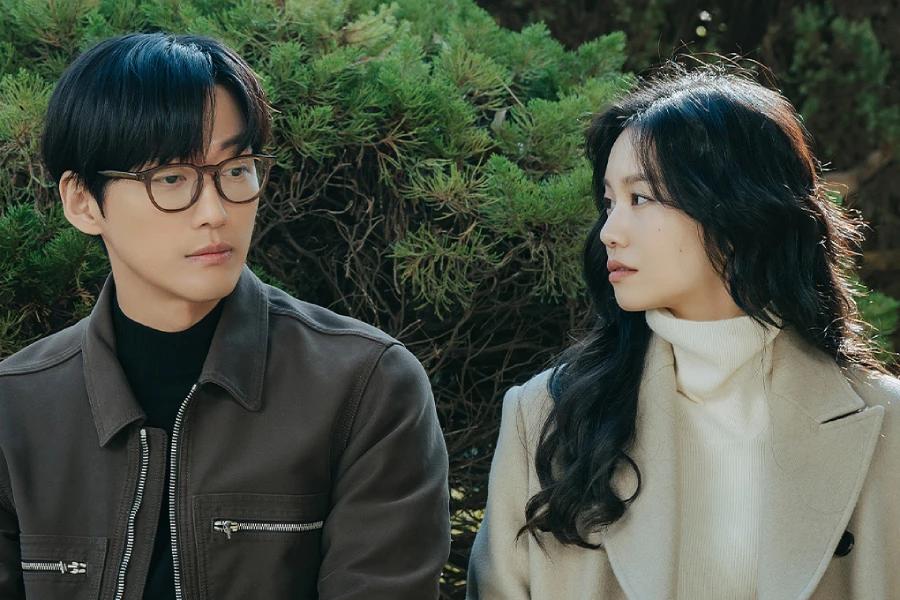
MBC's Perfect Crown is one of the strongest examples of the trend because it pairs a rookie writer with a directing team audiences already trust. MBC's official series materials and the broadcaster's writer contest archive identify Ji-won Yoo as the 2022 prize winner whose script reached broadcast in April 2026, while Joon-hwa Park and Hee-young Bae direct a cast led by IU and Woo-seok Byeon. That matters because the project feels institutionally backed rather than randomly discovered. A contest-developed writer gets premium staging, premium stars, and a release frame that tells viewers the network trusts the material. According to MBC's own rollout, the production pitch is not just fresh writing. It is fresh writing protected by experienced hands, which is exactly how a broadcaster makes a newer voice feel like appointment television instead of a speculative experiment.
That is exactly why Perfect Crown hit fan conversation so quickly. The cast gives it scale, but the writer-director packaging gives it credibility. A lot of 2026 lineup hype still starts with familiar faces, yet viewers who actually follow dramas closely increasingly want reassurance that the people shaping tone, pacing, and emotional payoff are equally strong. That is why more drama discourse now keeps returning to creative choices and episode construction, not only chemistry edits and casting news. The audience has become more production-literate. Networks know it. Streamers know it. So when MBC puts a rookie writer inside a veteran production structure, it is not hiding the risk. It is turning that risk into part of the appeal.
Netflix is backing the same formula at scale
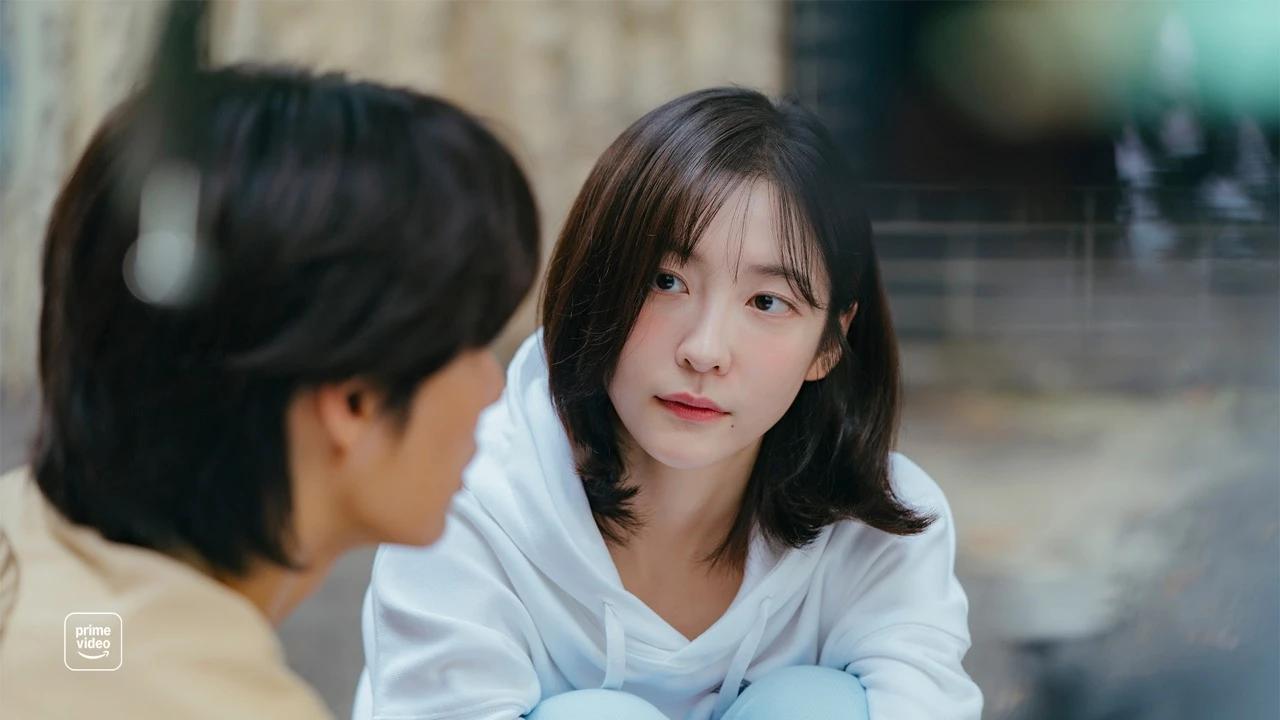
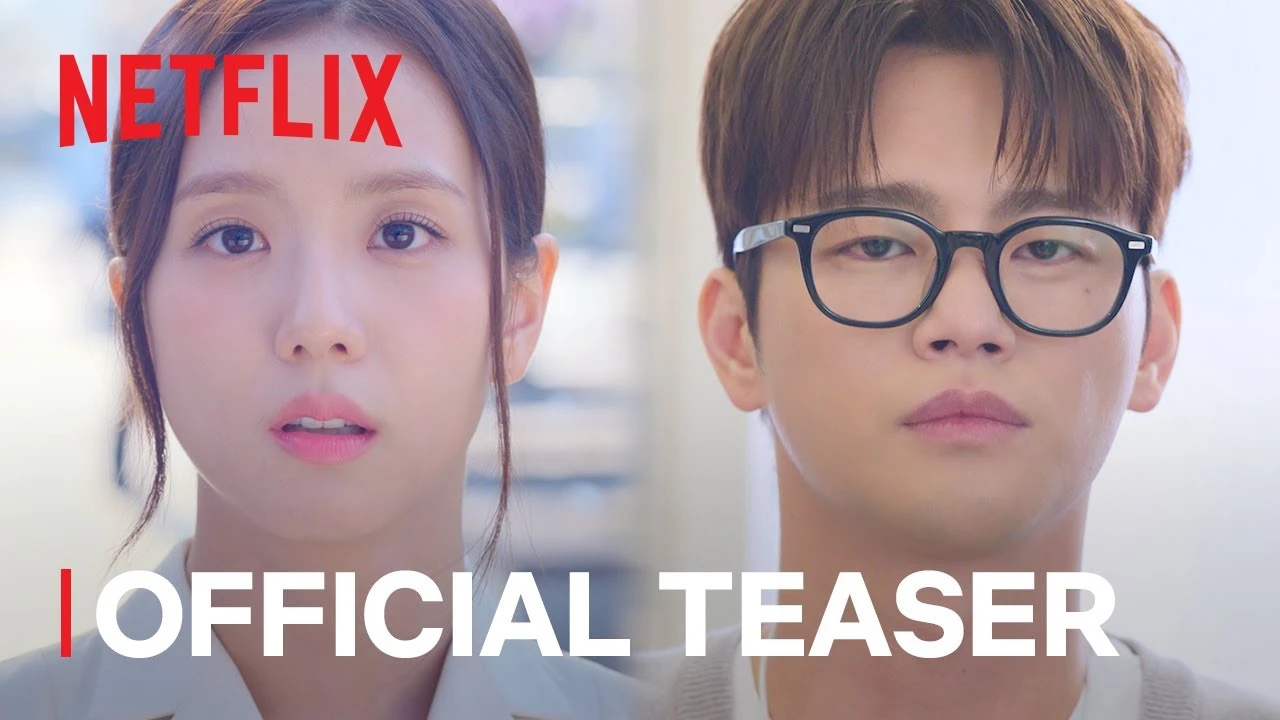
Netflix is also leaning into the model, and Boyfriend on Demand is the obvious case study. Netflix's official production announcement paired Jisoo and In-guk Seo with director Jung-sik Kim, whose rom-com résumé already gives the project tonal stability, while writer Namgung Do-young arrives as the fresher variable. That distinction is the whole point. The writer does not need to arrive as a household name if the surrounding team already signals quality control. For a global streamer, that is an efficient way to keep the slate feeling fresh without making every greenlight a blind leap, and Netflix's own materials frame the series as a platform-level package instead of a cast-only play.
It also helps that Netflix has spent the past few years training viewers to care about package deals. When fans scan a new Korean lineup, they are reading for combinations. Which platform has the strongest writer-director pairing. Which show has the most credible production team. Which title looks like more than just star casting. Reddit reaction to the 2026 drama slate reflected exactly that mood, with viewers praising the mix of genres, veteran actors, and proven creative hands rather than talking only about celebrity value. That is why this rookie-writer wave feels durable instead of trendy. The audience is already primed to judge projects as full creative systems, and that makes it easier for newer writers to enter the conversation if they arrive with the right collaborators.
This is bigger than one drama, and that is why it matters
Official 2026 drama rollouts from broadcasters and streamers keep reinforcing the same idea: buyers are now presenting writer, director, cast, and platform as one package instead of selling plot alone. That shift is good news for emerging writers. It means the industry's next breakout pen does not need to come attached to an ultra-low-budget cable experiment or a niche late-night slot. A newcomer can now enter through a premium series if the surrounding creative leadership is strong enough. According to Chosun's April 14 market report, that structural support is exactly what is turning rookie scripts into commercially viable dramas. It also gives viewers a cleaner way to judge what is being sold to them, because the writer's upside and the production team's reliability now arrive in the same pitch.
The bigger takeaway is that 2026's K-drama boom looks less like a star arms race and more like a talent-stack era. Broadcasters and streamers still want recognizable faces, obviously, but they also need stories that do not feel algorithmically assembled. Rookie writers can supply that spark. Veteran directors and production systems can keep it from blowing up in everyone's face. If this formula keeps working, the next generation of Korean drama hitmakers will not emerge by waiting their turn behind legacy names. They will emerge by being paired with them. Right now, that may be the smartest development strategy in the business.