Share This Article
K-Short Dramas Just Cleared a Legitimacy Hurdle at BIFAN and NYAFF
Lezhin Snack's BIFAN and NYAFF invitations suggest Korean vertical dramas are moving from swipe-first mobile content into a more prestigious festival-recognized screen format.
June 10, 2026
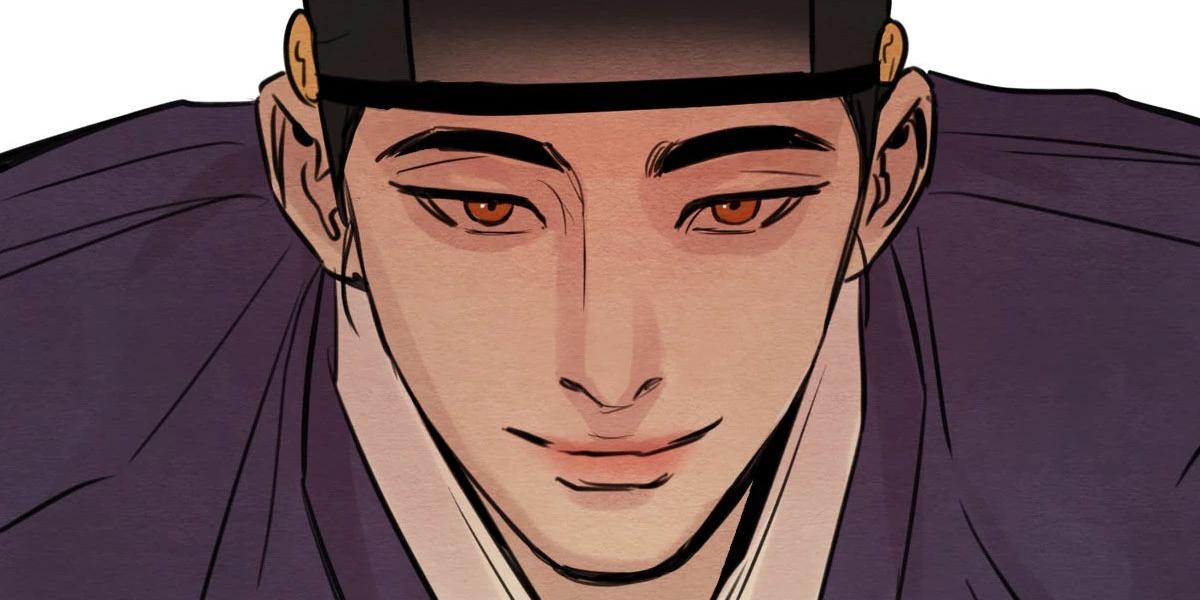
Lezhin Snack just gave Korea's vertical-drama boom its clearest legitimacy test yet. According to Yonhap's June 9 report via Korean Vibe, director Lee Joon-ik's A Father's Homecooked Meal (아버지의 집밥) and director Lee Won-seok's Loving Death (사랑하는 죽음) have been invited to Bucheon International Fantastic Film Festival, with Loving Death also becoming the first short drama selected for New York Asian Film Festival. That matters because the format is no longer being judged only by mobile retention, micropayments, or swipe speed. Once Korean auteurs with real feature-film weight start testing vertical storytelling inside festival programs, the conversation shifts. K-short dramas stop looking like disposable phone filler and start looking like a new production lane that serious filmmakers, programmers, and international curators now have to take seriously. It is the clearest sign yet that Korea's short-form market is climbing the cultural ladder, not just the download charts.
BIFAN's new short-form section is the real story here
BIFAN did not just slot these titles into a generic sidebar. As reported by Kyunghyang Shinmun, the festival created a new "Platform Special Exhibition: Short-form Cinema" section this year, then used it to bring smartphone-native vertical dramas into a theatrical setting. Kyunghyang also reported that BIFAN programmer Kim Hyeong-seok framed the move as part of the festival's media-expansion push, which is exactly why this feels bigger than a routine selection notice. Festivals create cultural hierarchy whether they admit it or not. When a major Korean genre festival gives a new format its own lane, it is effectively telling the market that short dramas are now worth evaluating as screen language, not only as algorithm candy or app inventory. That is a real upgrade in how the form gets discussed. It also gives producers a stronger pitch when they want talent, press, and investors to take the category seriously.
Lee Joon-ik and Lee Won-seok give the format instant prestige cover
The directors matter almost as much as the invitations. Lee Joon-ik, whose filmography includes heavyweight features familiar to Korean cinema audiences, is not the kind of name people associate with disposable mobile content. Neither is Lee Won-seok, whose stylized mainstream work gives this experiment a very different kind of credibility. According to Yonhap, these are the first short dramas from both filmmakers, which makes the move read less like a side hustle and more like a deliberate test of what the form can do. We have already tracked the commercial side of this space in our look at Korea's micro-drama boom and the platform-specific risk in our coverage of Lezhin Snack's Painter of the Night play. This new step adds the missing prestige layer.
A Father's Homecooked Meal shows why vertical drama is chasing stronger IP and stronger casts
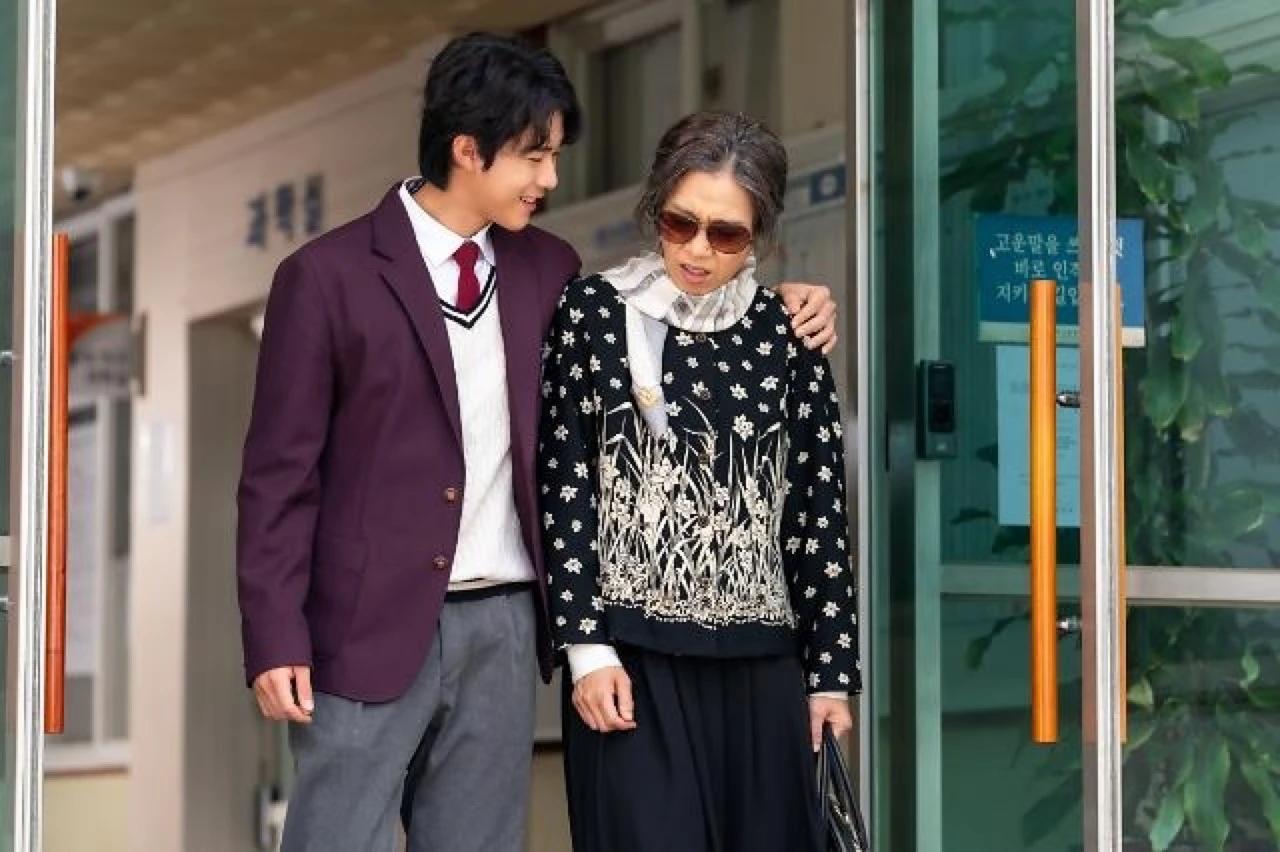
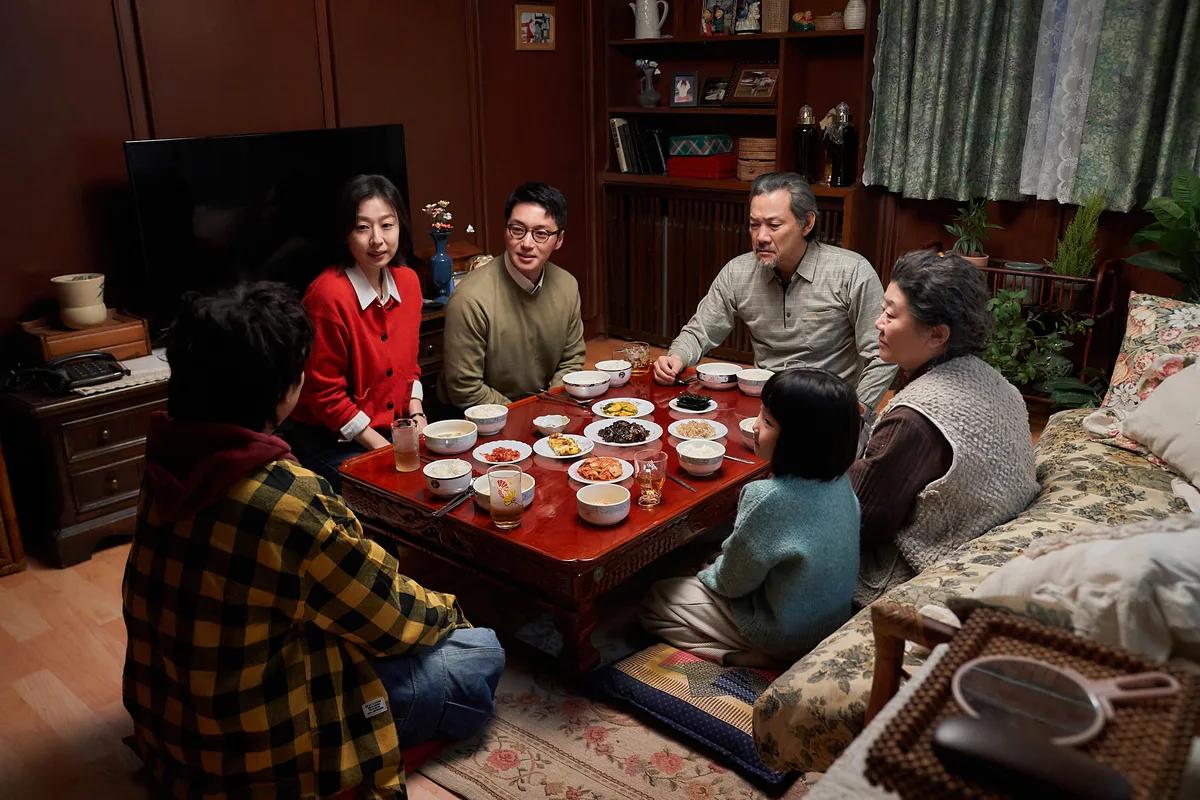
Kyunghyang reported that A Father's Homecooked Meal adapts a webtoon and centers a family changed by one husband's first attempt at cooking after his wife can no longer do it herself. The cast also gives the project more gravity than the average quick-hit mobile drama, with Jung Jin-young, Lee Jung-eun, and Byun Yo-han attached. That combination matters because short drama platforms have spent months trying to prove they can do more than cliffhanger pulp and romance bait. Better IP plus recognized actors is how the category starts training audiences to expect craft, not just speed. It is also how vertical series become easier to repackage for bigger screens, which BIFAN is now testing in public. Diaspora-facing culture archives like Korean American Story have long treated Korean screen work as part of a broader storytelling ecosystem. This festival moment pushes short drama closer to that wider conversation.
NYAFF is what turns this from domestic experiment into export signal
The BIFAN invite would already be enough to move the story, but Loving Death's New York selection is what gives the moment international teeth. Yonhap said the title is the first short drama ever invited to the 25th New York Asian Film Festival, which means programmers outside Korea are now willing to treat the format as festival material rather than app-native trivia. That is the real threshold. Domestic buzz can still be explained away as industry curiosity. Overseas festival attention is harder to shrug off because it suggests the form can travel across markets, subtitles, and viewing habits. Lezhin Snack said both works will release on the platform in the second half of the year, so the near-term question is no longer whether short dramas are booming. It is whether festival validation can turn that boom into a more durable, higher-status part of Korean screen culture.