Share This Article
Korean Films Just Turned Udine Into a Pre-Cannes Signal
Korean films left Udine with three major prizes, giving The Seoul Guardians, My Name and The King's Warden real pre-Cannes momentum in Europe.
May 11, 2026
Korean films just turned the 28th Far East Film Festival in Udine into an early signal for Cannes season, with MBC documentary The Seoul Guardians taking the Silver Mulberry and sharing the Black Dragon critics prize while My Name and The King's Warden also landed Crystal Mulberry audience awards. According to FEFF's official winners announcement, the festival ran from April 24 to May 2, drew about 70,000 spectators and screened 75 films from 12 countries, which makes Korea's three-prize haul feel bigger than a single good night on the circuit. This matters because Udine has long been one of Europe's key showcases for East Asian cinema, and this year's Korean presence stretched across political documentary, historical drama and commercial period spectacle. In other words, Korean cinema did not arrive in Italy as a one-note export. It arrived looking broad, current and unusually ready for another international spotlight.
The Seoul Guardians carried the loudest signal
The Seoul Guardians carried the clearest festival narrative because it was not simply another competition title. The Korea Herald reported that the film became the first documentary ever invited into the festival's competition section, and the public still pushed it to the runner-up Silver Mulberry through audience voting. According to FEFF's official winners announcement, the film also shared FEFF's Black Dragon critics prize with Fujiko and picked up a special mention in the White Mulberry race for first-time directors. That combination matters. Audience festivals can reward accessibility, while critics prizes tend to reward form and urgency, so landing in both conversations at once suggests the documentary connected on more than topical curiosity. Produced by MBC, the film tracks the six hours after the Dec. 3, 2024 martial law declaration in Seoul. That subject gives Korean cinema a politically charged international calling card right before Cannes starts setting the next global tone.
Korea's bigger win in Udine was range
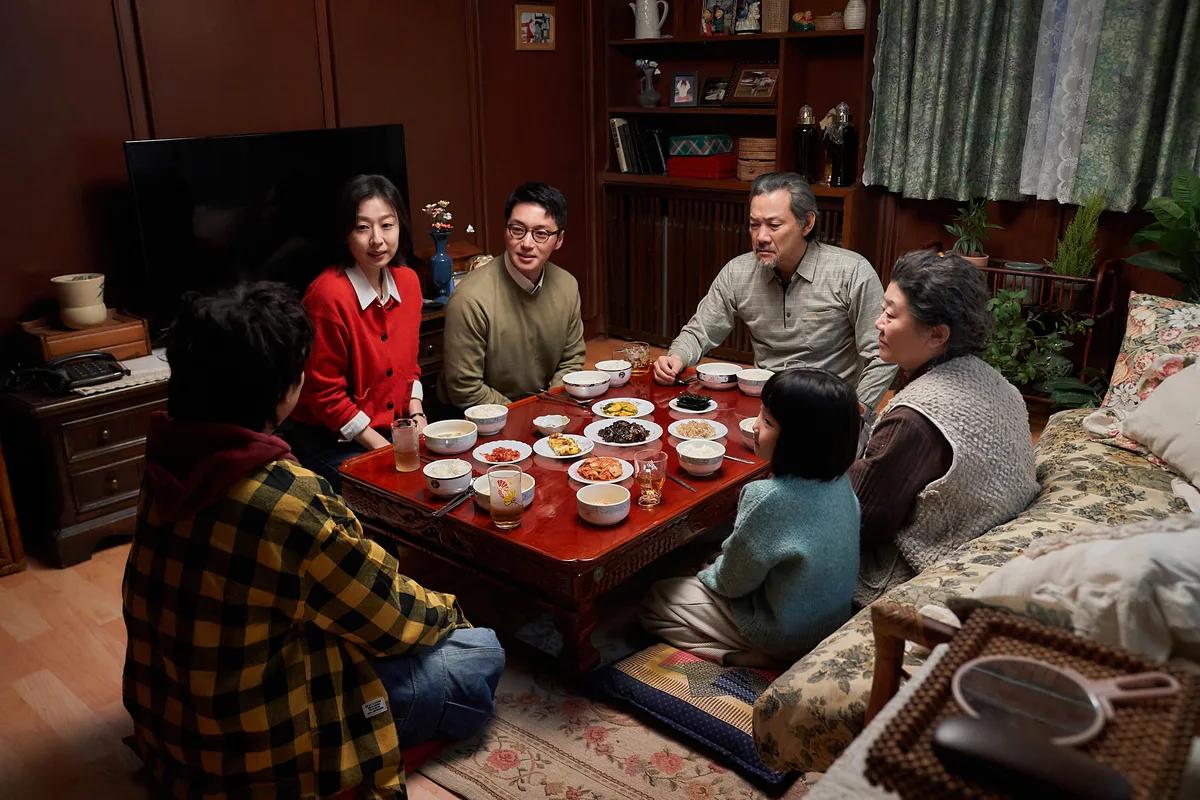
Korea's bigger win in Udine was range. Organizers said six Korean films made the competition lineup, according to The Korea Times, and the awards ended up spread across very different modes of filmmaking. My Name, led by Yeom Hye-ran, brought historical trauma and memory into the conversation, while Jang Hang-jun's The King's Warden, led by Yoo Hae-jin and Park Ji-hoon, reminded the festival that Korean commercial cinema can travel with prestige attached. If you've been tracking the market pressure inside South Korea, including the government's recent film support push, Udine reads less like a random overseas bounce and more like evidence that the pipeline still has export strength. Korean cinema is not relying on one breakout auteur or one prestige banner. It is moving through documentary, drama and mass-audience period storytelling at the same time.

Udine is not Cannes, but it is a useful read on momentum
Udine is not Cannes, but it is a useful read on momentum because FEFF sits in a zone where programmers, critics and serious international audiences are watching Asian cinema closely before the summer festival calendar fully locks in. The Hollywood Reporter confirmed that Japanese drama Fujiko took the Golden Mulberry, which keeps the broader context honest. Korea did not sweep the festival. What it did do was leave with multiple prizes, a headline documentary and enough breadth to show that 2026's Korean film conversation is not only about one domestic blockbuster or one auteur waiting for the Cannes lineup. That's a smart place for the industry to be in May.
According to the Korean Cultural Center New York's current film program page, institutional appetite for Korean cinema remains active far beyond the festival calendar. That matters because festival prizes are only one measure of international traction. Year-round screenings and cultural-center programming are what keep Korean films visible between Cannes headlines and domestic box office spikes.