FNC Entertainment
FNC Entertainment is one of the clearer examples of how a second-generation agency adapted without losing its original identity. Founded in 2006 by Han Seong-ho, the company first built its name around band-forward acts before widening into a larger entertainment structure that now manages idol groups, actors, and TV personalities alongside musicians.
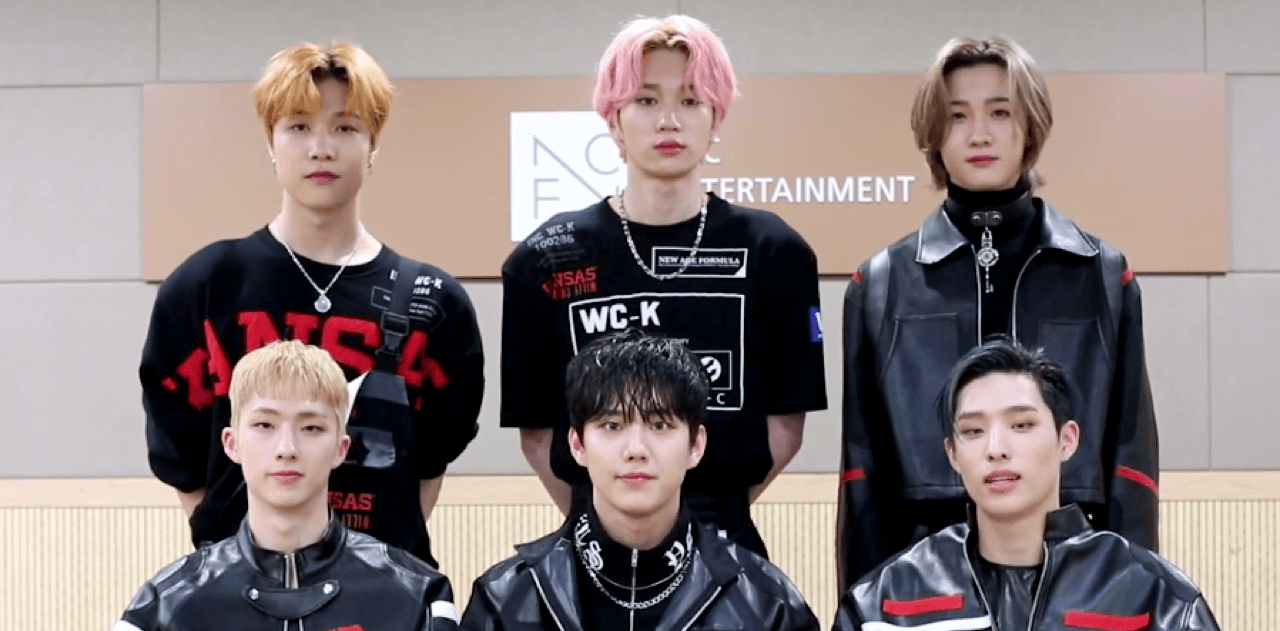
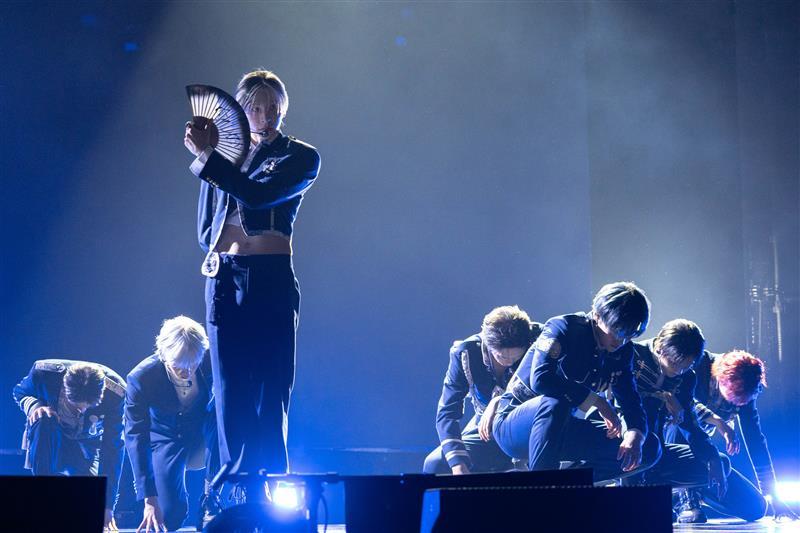
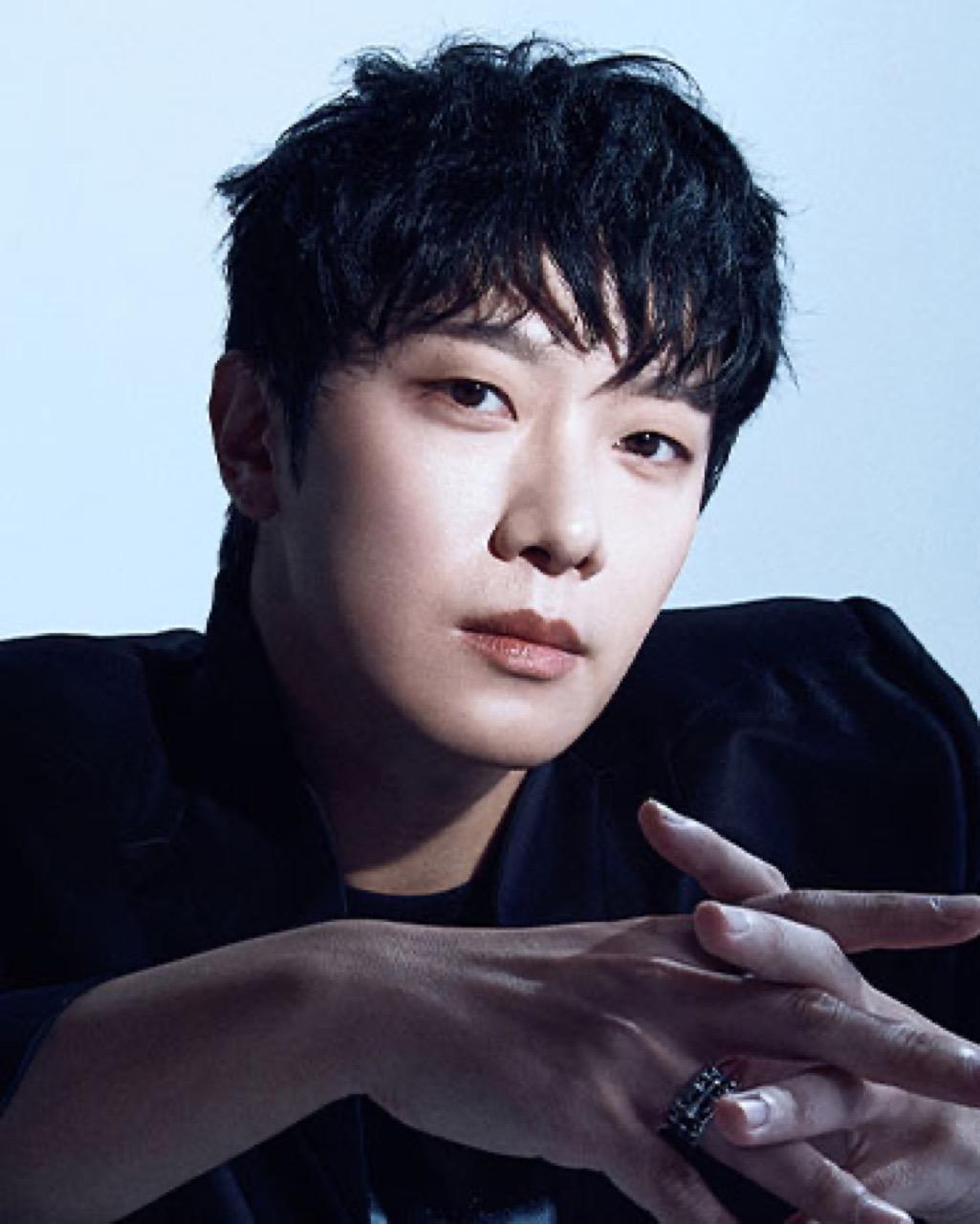
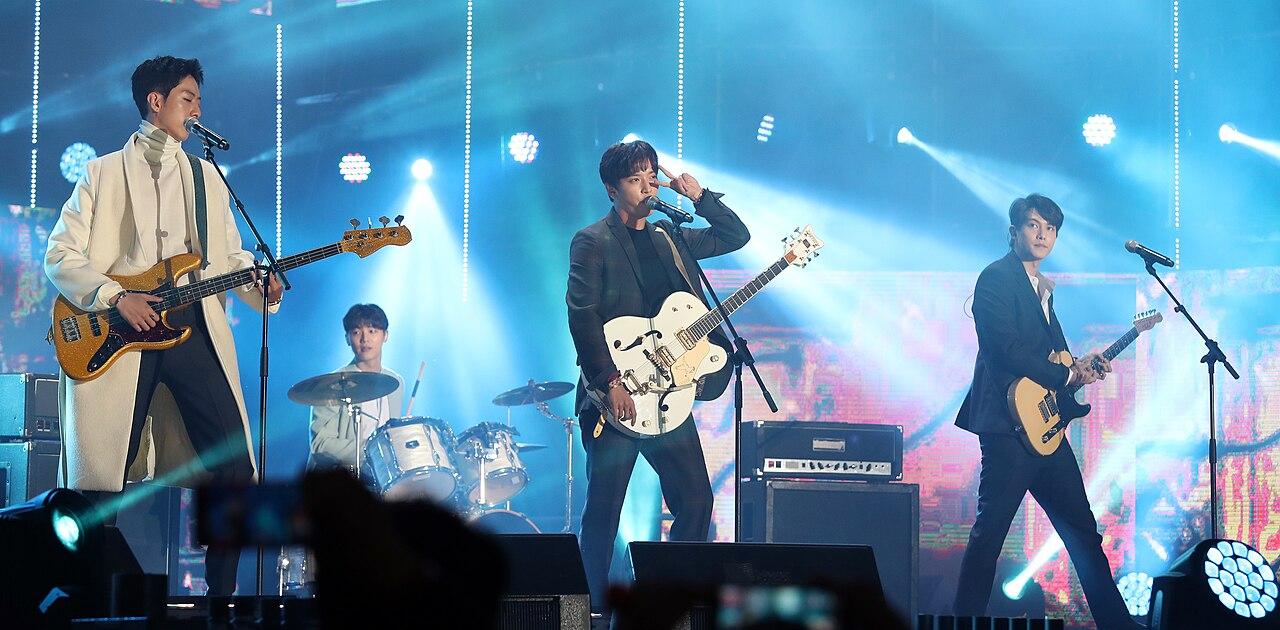
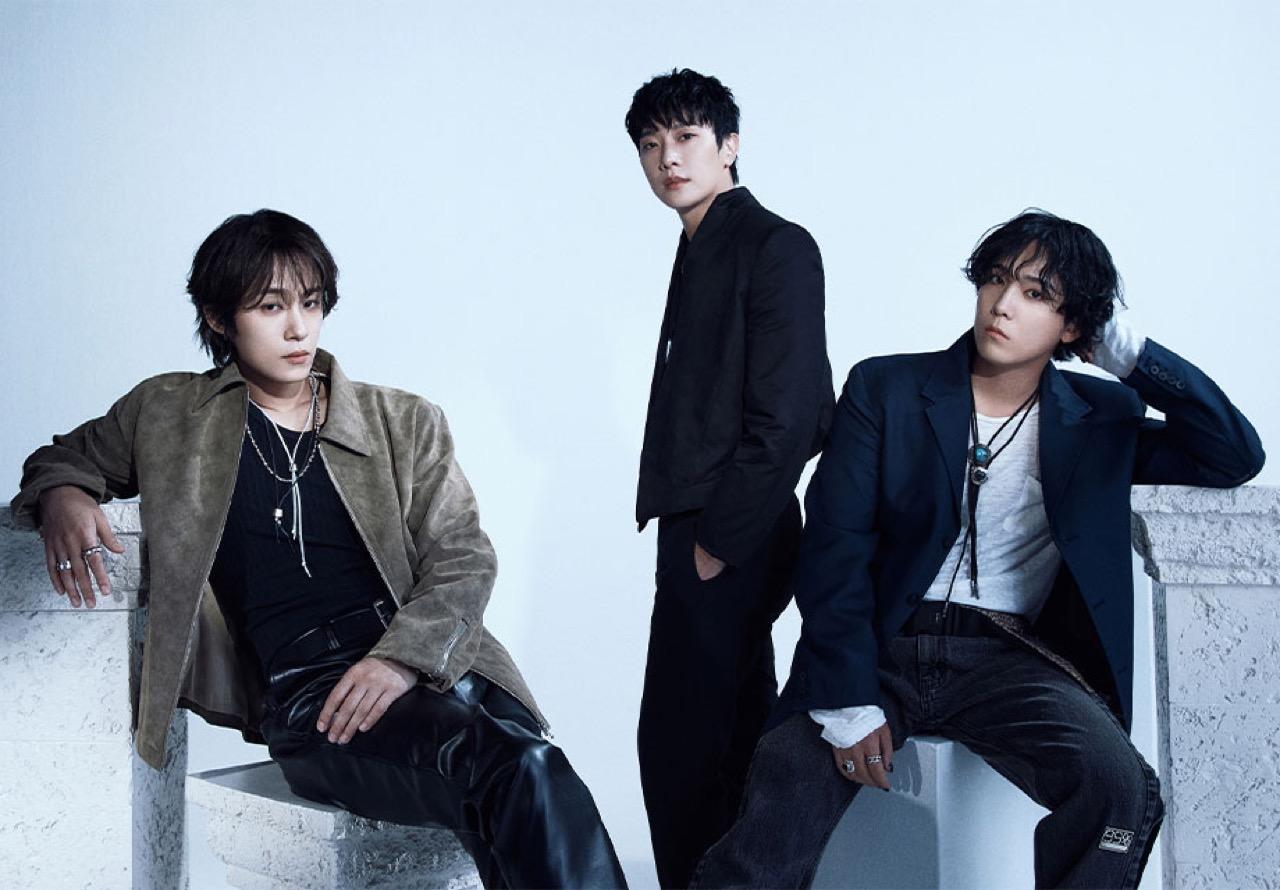
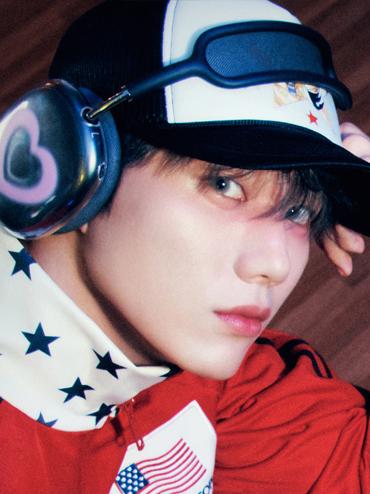
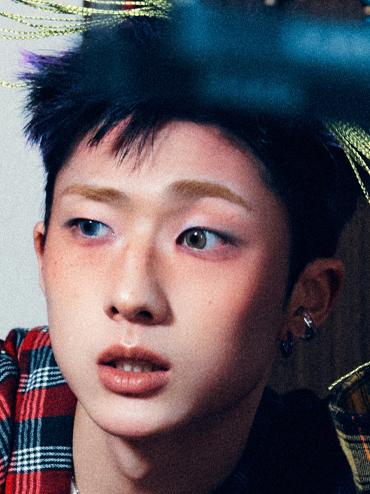
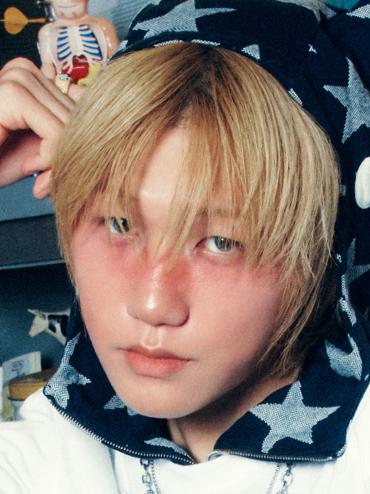
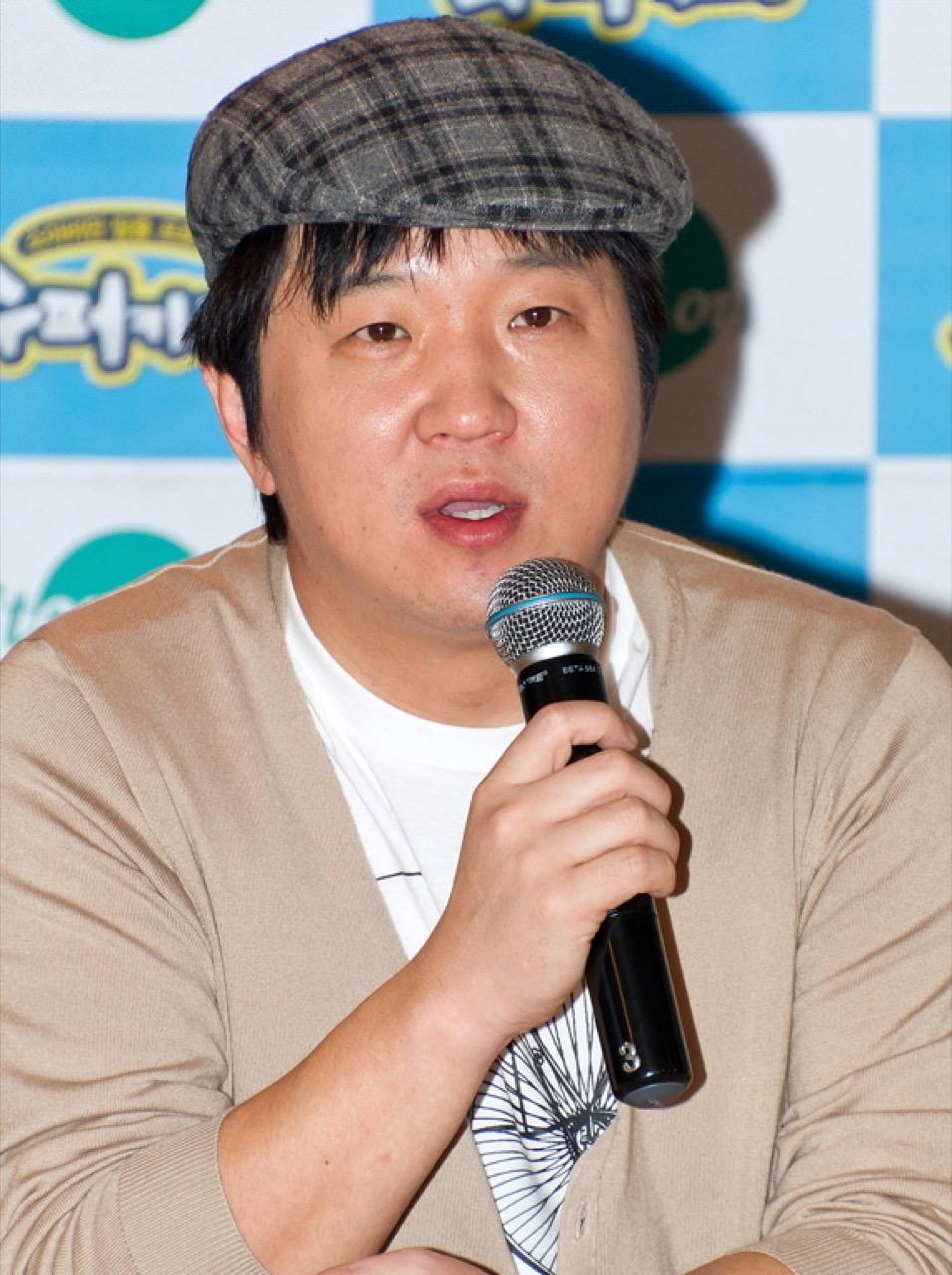
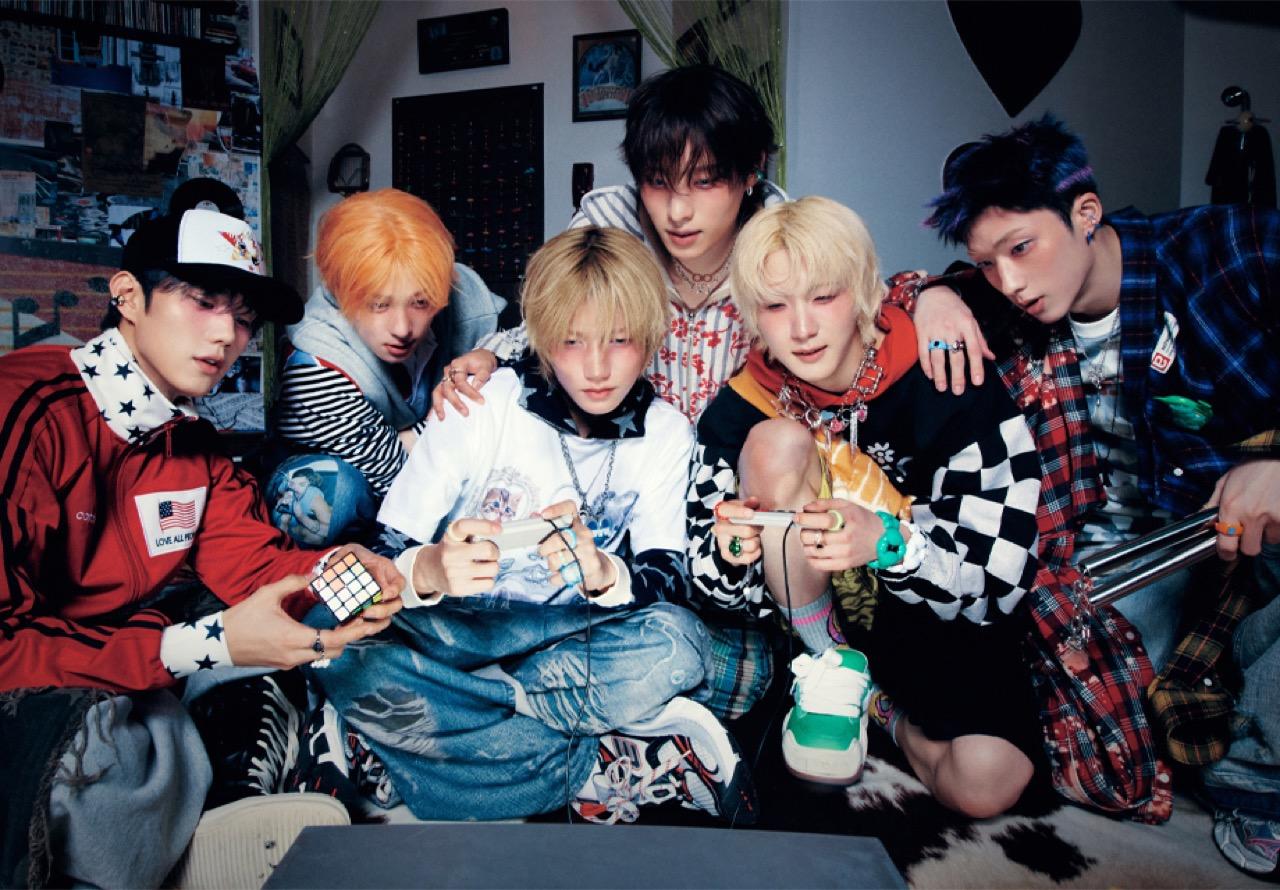
That band legacy still matters. CNBLUE and other early acts gave FNC a live-performance credibility many idol agencies never had, while newer groups such as P1Harmony and AMPERS&ONE keep the company active in the current boy-group cycle. At the same time, FNC also stretches into entertainment personalities such as Jung Hyung-don, which makes the company broader than a single-lane idol shop.
What keeps FNC relevant is the balancing act between heritage and turnover. It can still sell the credibility of its older band era, but it also continues to feed new acts into touring, fandom, and digital-content systems that matter in the present market. That combination keeps the brand legible even as the wider agency landscape gets more crowded and less distinctive.
Gallery
P1Harmony at Show! Music Core, May 17, 2021. CC BY 3.0.
Artists & Groups
Fans Also Ask
What does FNC Entertainment stand for and when was it founded?
Which artists are under FNC Entertainment?
What makes FNC Entertainment different from other K-pop agencies?
Latest Articles
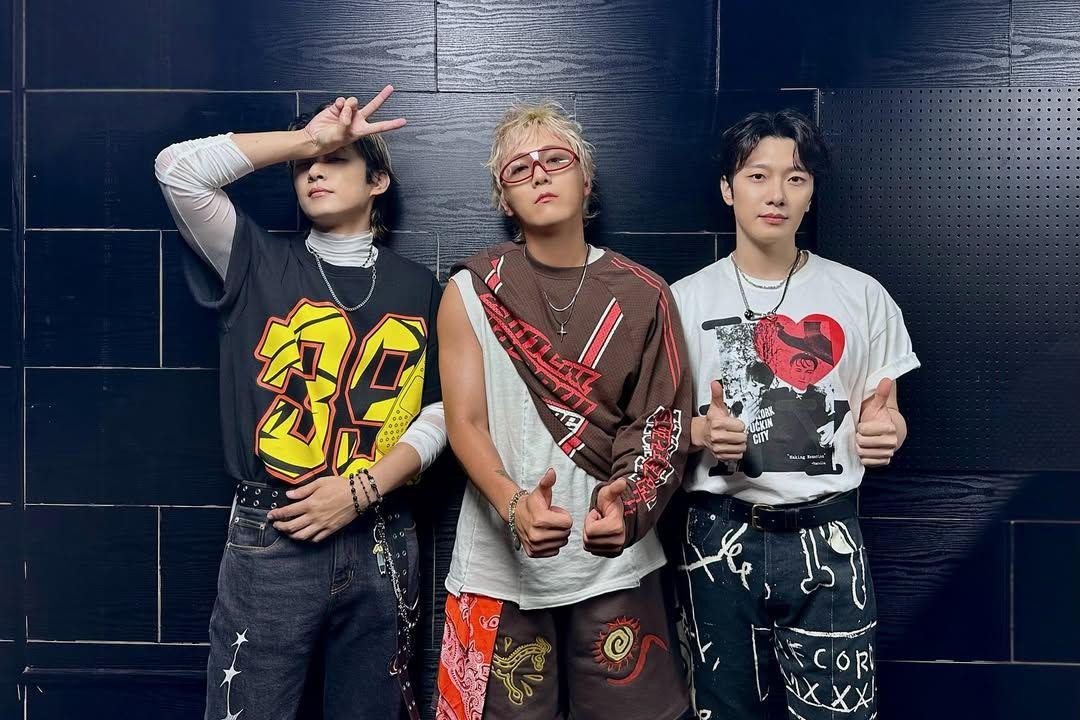
FT Island's FaTe Asia Tour Shows K-Pop Rock Still Travels
FT Island's 2026 FaTe Asia tour is shaping up as a clean reminder that guitar-led Korean acts still carry real regional touring pull.
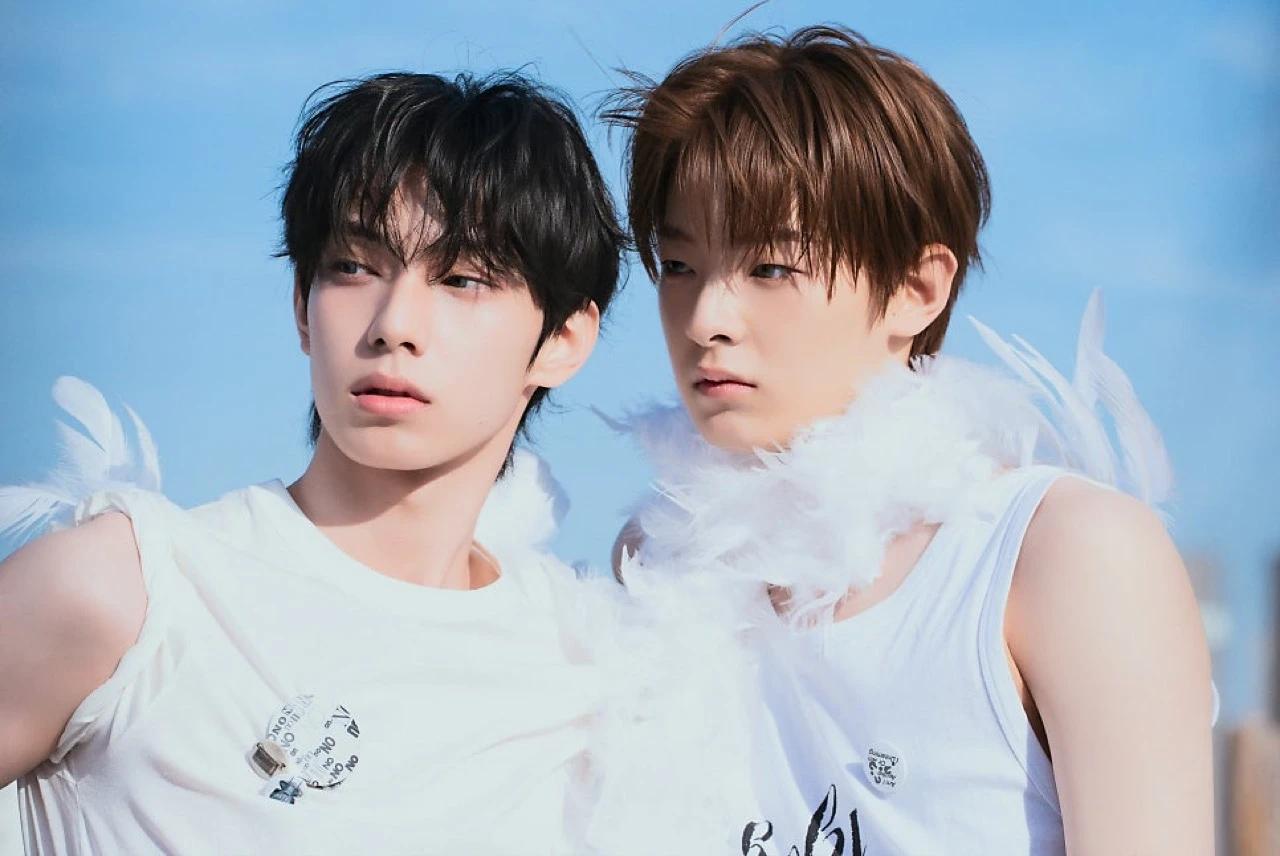
FLARE U Sets May Debut After Boys II Planet Near Miss
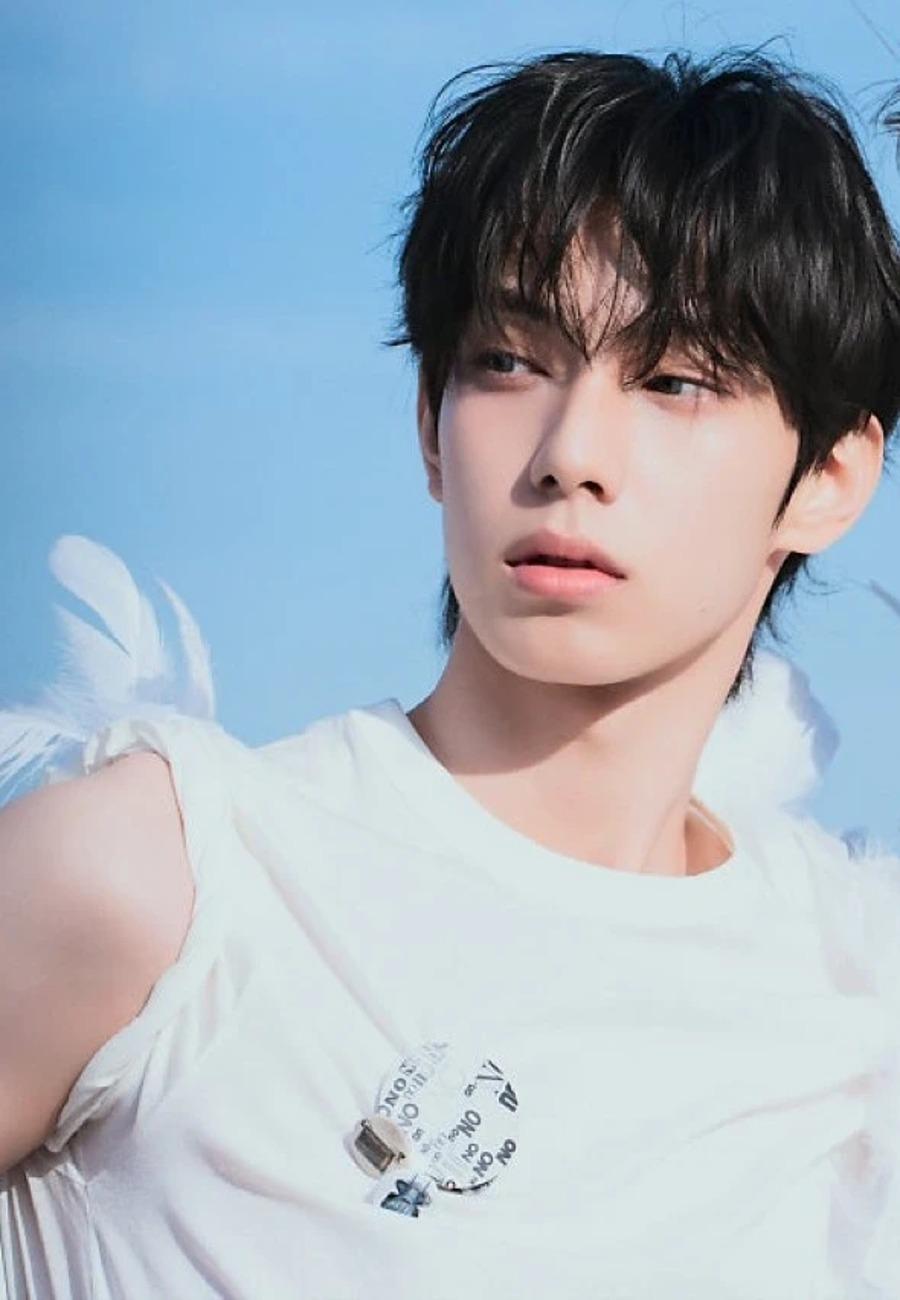
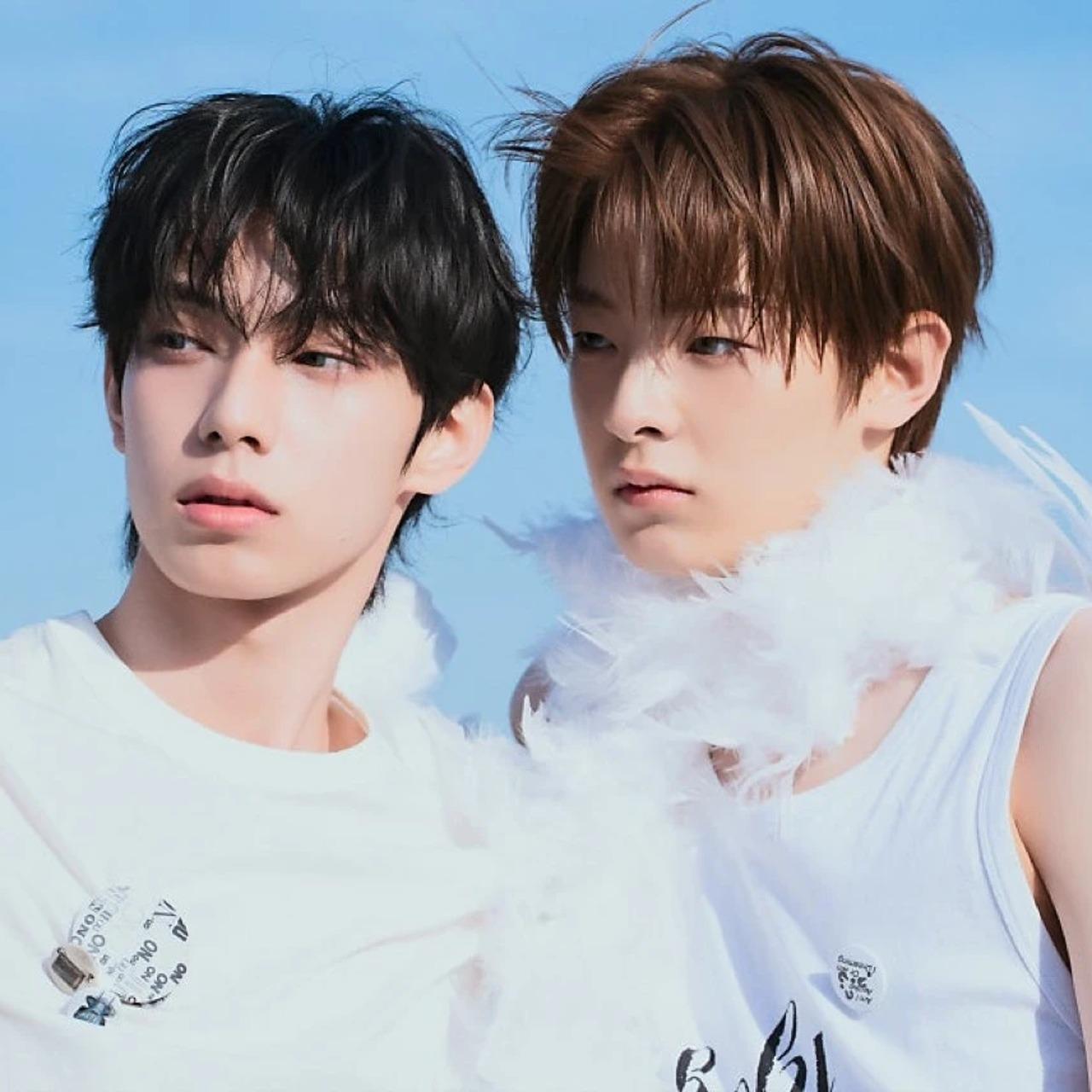
FLARE U will debut in May 2026 under FNC Entertainment, turning Chuei Liyu and Kang Woojin's Boys II Planet near miss into a fast-moving duo launch with a KCON Japan 2026 stage already on deck.
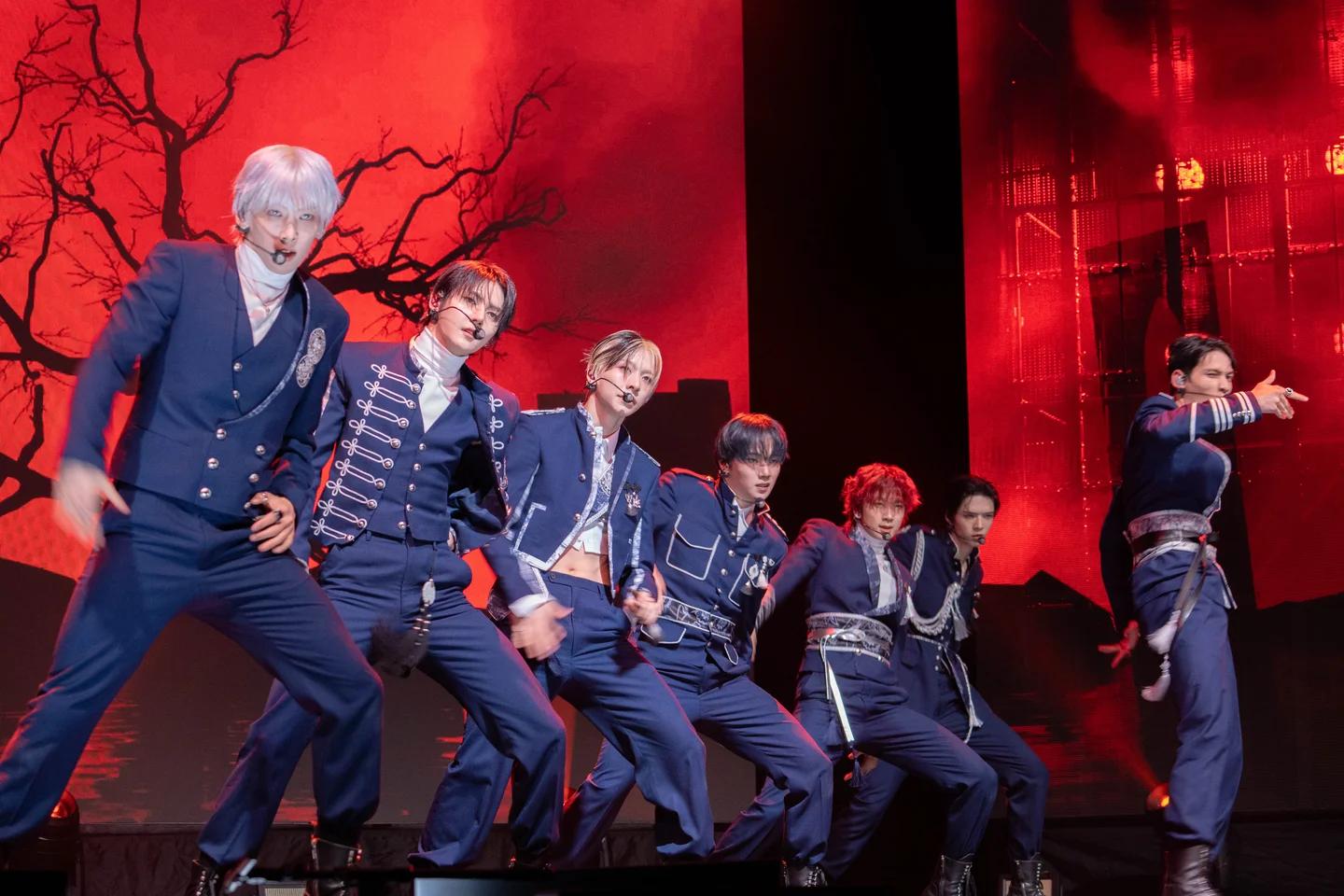
AMPERS&ONE's God Makes Joseon Hip-Hop a Real K-Pop Swing
AMPERS&ONE's Definition EP turns God into a sharper identity play, blending trap production, Korean performance motifs and a timely live tour setup.
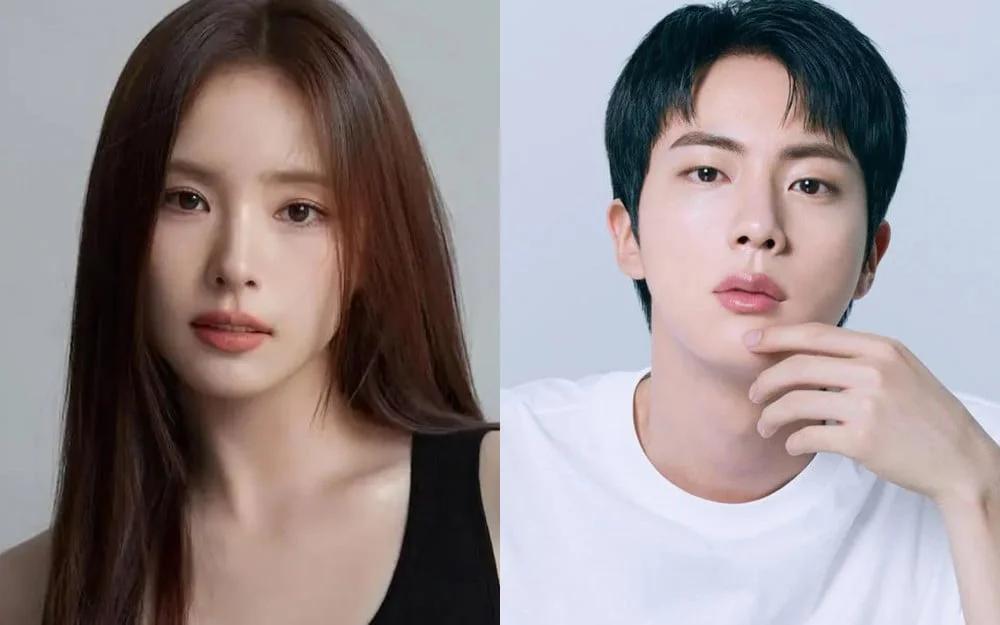
Jung Hae-in and Shin Se-kyung in Talks for K-Drama ‘Love Virus’
Jung Hae-in and Shin Se-kyung are both reviewing offers for Love Virus, a new K-drama romance directed by PD Kim Seok-yoon of My Liberation Notes. Neither has signed yet.
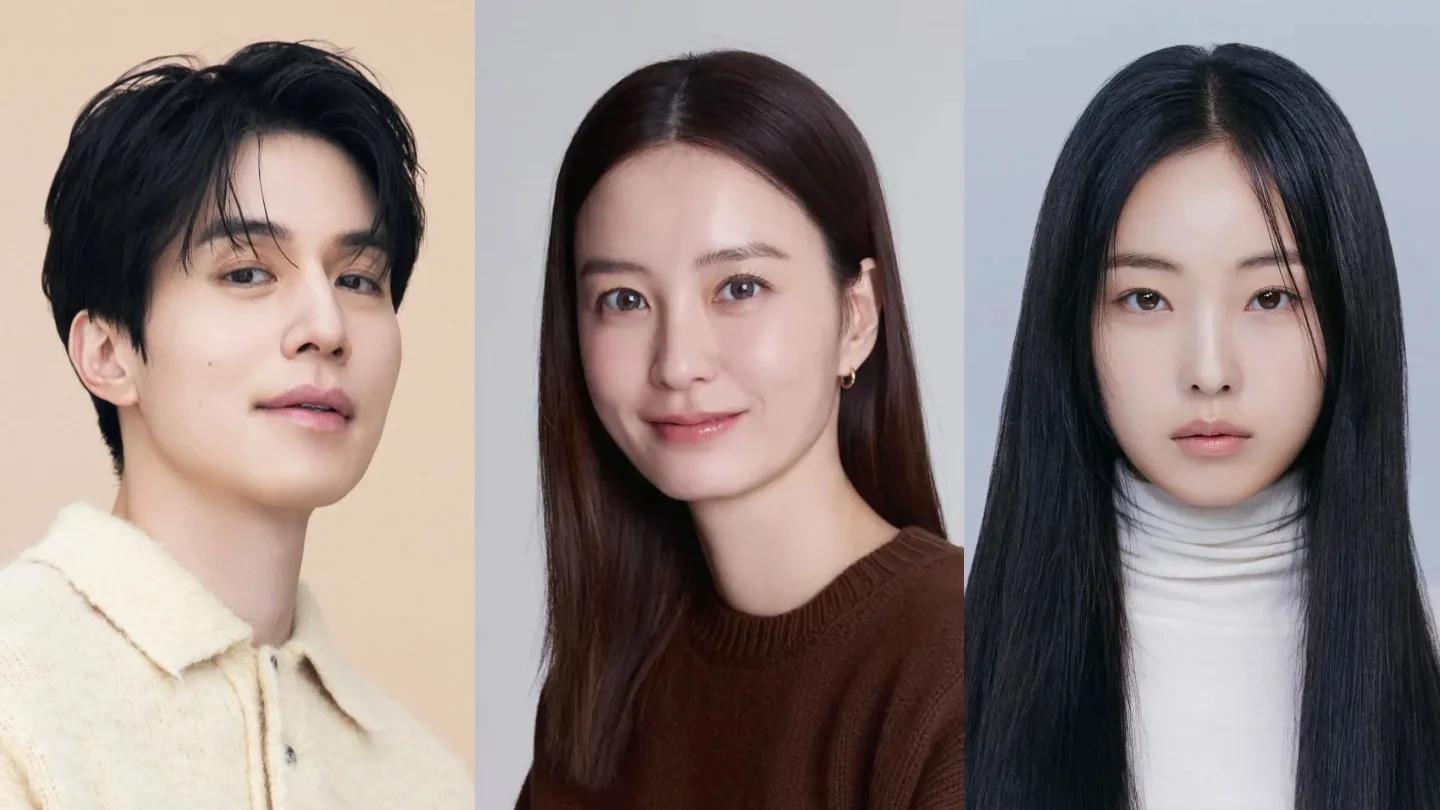
Lee Dong Wook, Jung Yoo Mi, and Jeon So Nee Eye Netflix's Love Affair
The director of The World of the Married returns with a star-studded cast and an explosive premise spanning Korea and Madrid.
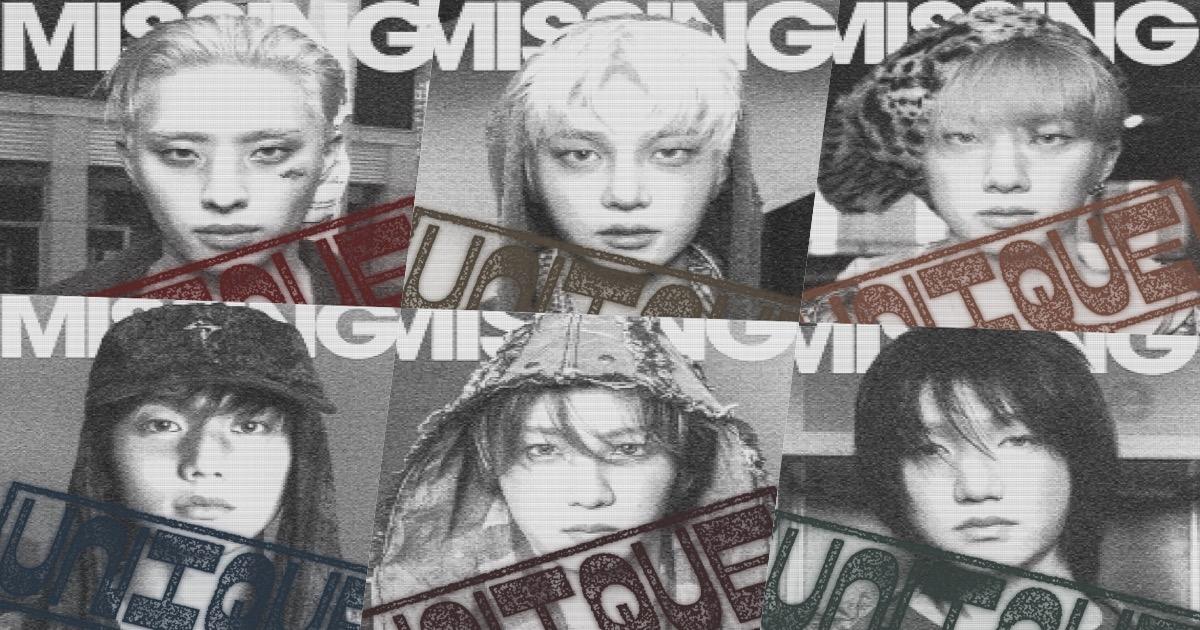
P1Harmony Returns With 9th Mini Album UNIQUE, Out March 12
P1Harmony are back. After 10 months away from Korean-language releases, the six-member group returns with UNIQUE, their 9th mini album. HERO MISSING is the title track. It drops March 12.