Share This Article
Undercover Miss Hong Is Ending at the Top: Park Shin-hye's Best Comeback
Park Shin-hye's tvN workplace comedy-thriller closes its 16-episode run at the top of every chart. Here's why Undercover Miss Hong became the K-drama story of early 2026.
March 8, 2026
tvN's Undercover Miss Hong (언더커버 미쓰홍) does not announce itself as the drama of 2026. It arrives quietly, set in an era of 1990s cubicle farms and fax machines, and then proceeds to dominate every chart in Korea. With the 16-episode finale airing this weekend, Park Shin-hye and Ko Kyung-pyo are leaving Korean television in the middle of a ratings victory lap.
The Setup That Should Not Work
On paper, this drama sounds like a pitch that stalls in the room. A veteran financial regulator infiltrates a corrupt securities firm by pretending to be a fresh-faced junior employee two decades younger than she actually is. It is 1997. The Asian financial crisis is unfolding. The stakes are the financial lives of ordinary Koreans. Comedy ensues.
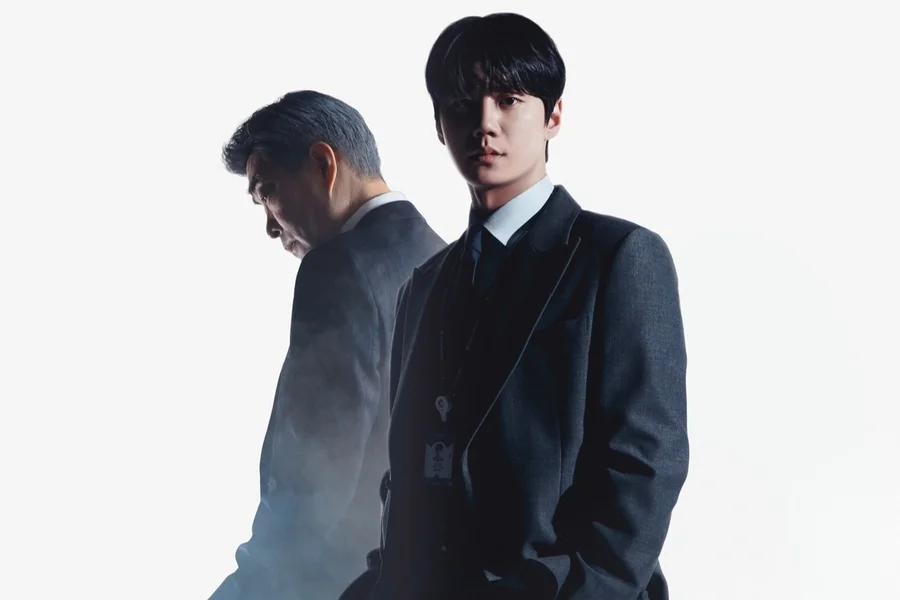
And yet it works, spectacularly. Park Shin-hye plays Hong Geum-bo, an elite inspector with the Financial Supervisory Service who goes undercover as "Miss Hong," a seemingly naive 20-year-old entry-level hire. The disguise requires her to swap her authority and composure for a cute, bubbly persona, navigating workplace politics while quietly building a case that could dismantle the entire firm. The role demands total commitment to physical comedy while maintaining the credibility of a serious investigator underneath. Park Shin-hye delivers both, simultaneously, for 16 episodes.
Numbers That Tell a Clear Story
This is not a case of critical buzz outpacing actual viewership. Episode 13 peaked at 12.6% in the Seoul metropolitan area, a rating that puts it among the strongest weekend dramas tvN has produced in years. According to FUNdex, the official platform of Good Data Corporation, the show topped both the TV drama and combined TV-OTT drama rankings for multiple consecutive weeks heading into February's close. Park Shin-hye herself ranked first among all actors in the same report.
Internationally, Netflix has amplified that reach. The series entered the Netflix Global Top 10 (Non-English TV) in its premiere week, pulling 1.9 million views across 14 countries. It climbed to seventh on the global chart as the finale approached. For a workplace comedy set 30 years in the past on a local Korean network, those numbers are remarkable.
Why the 1997 Setting Hits Different Right Now
The 1997 Asian financial crisis is not distant history to Korean audiences. It is collective trauma, the moment when the IMF bailout restructured Korean society and left permanent marks on how a generation thinks about job security, corporate loyalty, and financial institutions. Placing a story about securities fraud and regulatory capture inside that exact moment is not nostalgia, it is provocation.
The drama does not let the setting become a costume. It uses the period to examine how financial corruption exploits the people it claims to serve, with the comedy functioning as the mechanism that keeps audiences watching rather than flinching. The 90s wardrobe and technology are genuinely funny. The underlying story is not.
Park Shin-hye's Best Run in Years
Park Shin-hye has never not been working. Since The Heirs and Pinocchio established her as one of Korea's most bankable leads through the 2010s, she has maintained a steady pace of high-profile projects, including Memories of the Alhambra and the grim thriller Sisyphus: The Myth. But something is different here. The comedic register of this role unlocks a dimension of her performance that audiences have not seen before, and viewers are responding to it.
The critical consensus is that she makes the dual-identity concept feel grounded rather than gimmicky. When Hong Geum-bo is Miss Hong, the transformation is physical, vocal, and behavioral. When the mask cracks, the weight behind it is felt. That is a technically demanding performance sustained over 16 hours of television. It holds.
The Ensemble Carrying the Room
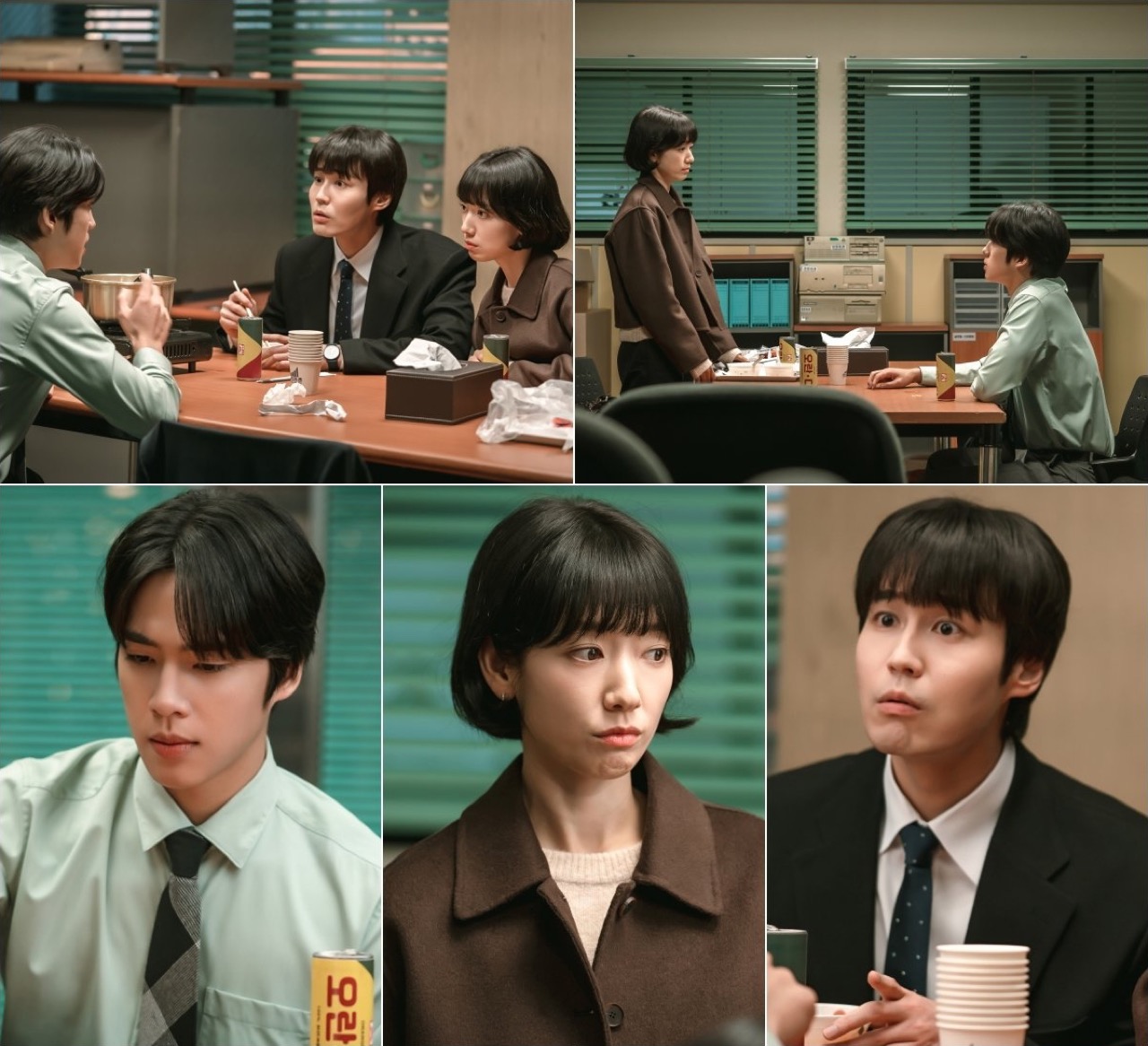
The supporting cast around Park Shin-hye elevates material that could collapse without the right chemistry. Ko Kyung-pyo plays Shin Jung-woo, Hong Geum-bo's mysterious colleague at the securities firm who also happens to be her former lover, now operating as the firm's new CEO. The role requires him to project suspicion without confirming it, to maintain professional distance while the subtext accumulates, and to be genuinely funny when the script calls for it. He manages all three.
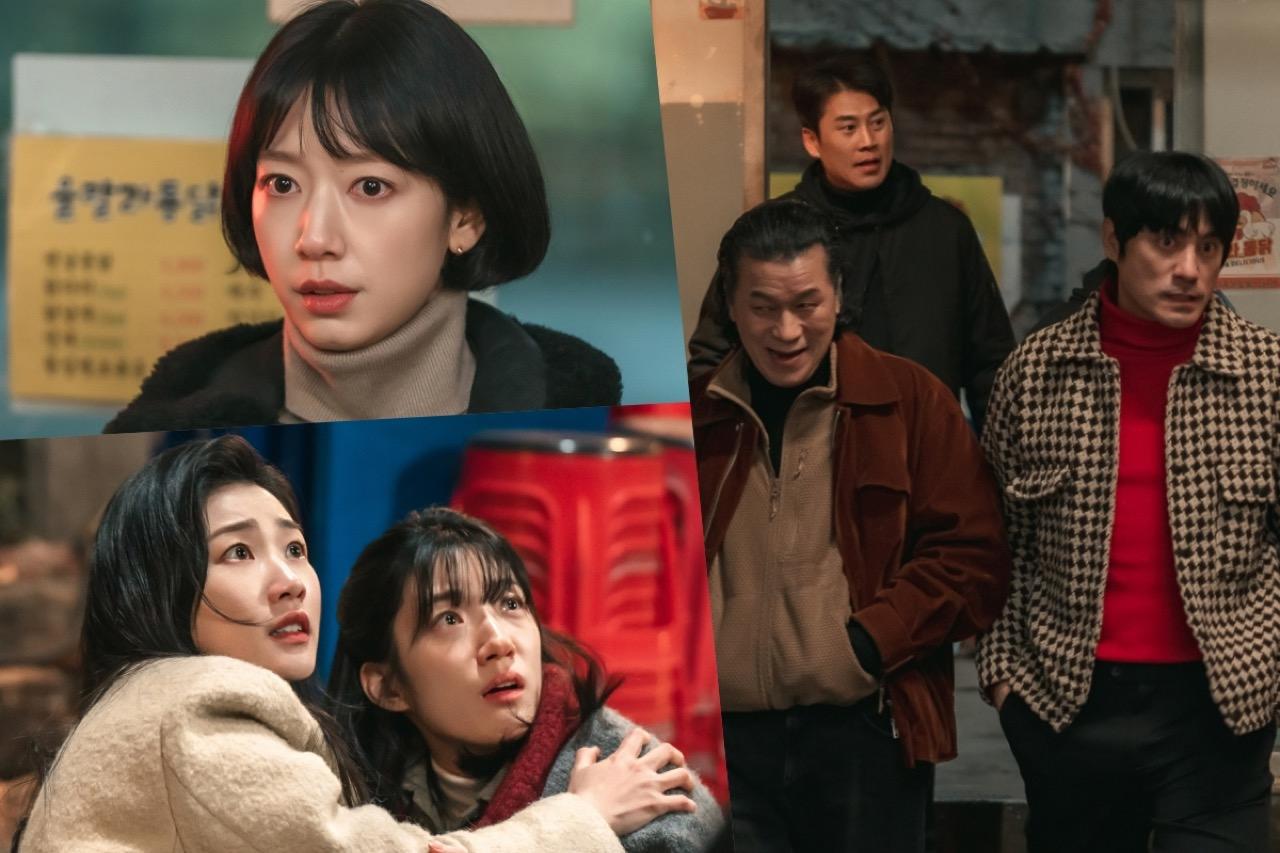
Ha Yoon-kyung as Go Bok-hee and Cho Han-gyeol as Albert Oh round out the undercover team with distinct comic energy. Ha Yoon-kyung in particular draws attention in scenes where she plays fear, loyalty, and exhaustion within the same beat. These are not supporting performances that fade into the wallpaper. They are the reason the ensemble scenes feel alive.
A Drama That Earns Its Finale
Episode 15 aired tonight. Episode 16, the finale, drops tomorrow, March 8. If the show's trajectory holds, it will close as one of the most-watched tvN dramas in recent memory, with a Netflix global audience watching alongside Korean viewers in real time.
What Undercover Miss Hong ultimately demonstrates is that the period workplace comedy slot can carry genuine dramatic weight when the writing knows what it is doing and the cast is locked in. Studio Dragon and Celltrion Entertainment produced something here that will be cited the next time someone tries to explain why Korean television keeps generating global audiences. It earned that citation.
Stream it on Netflix. Both finale episodes are available same-day internationally.