Share This Article
Jisoo's outfit-return controversy just turned a styling dispute into a K-pop fashion story
Jisoo's outfit-return controversy is becoming a fashion-business story after designer Benjamin Voortmans said Judassime pieces were finally being retrieved.
May 8, 2026
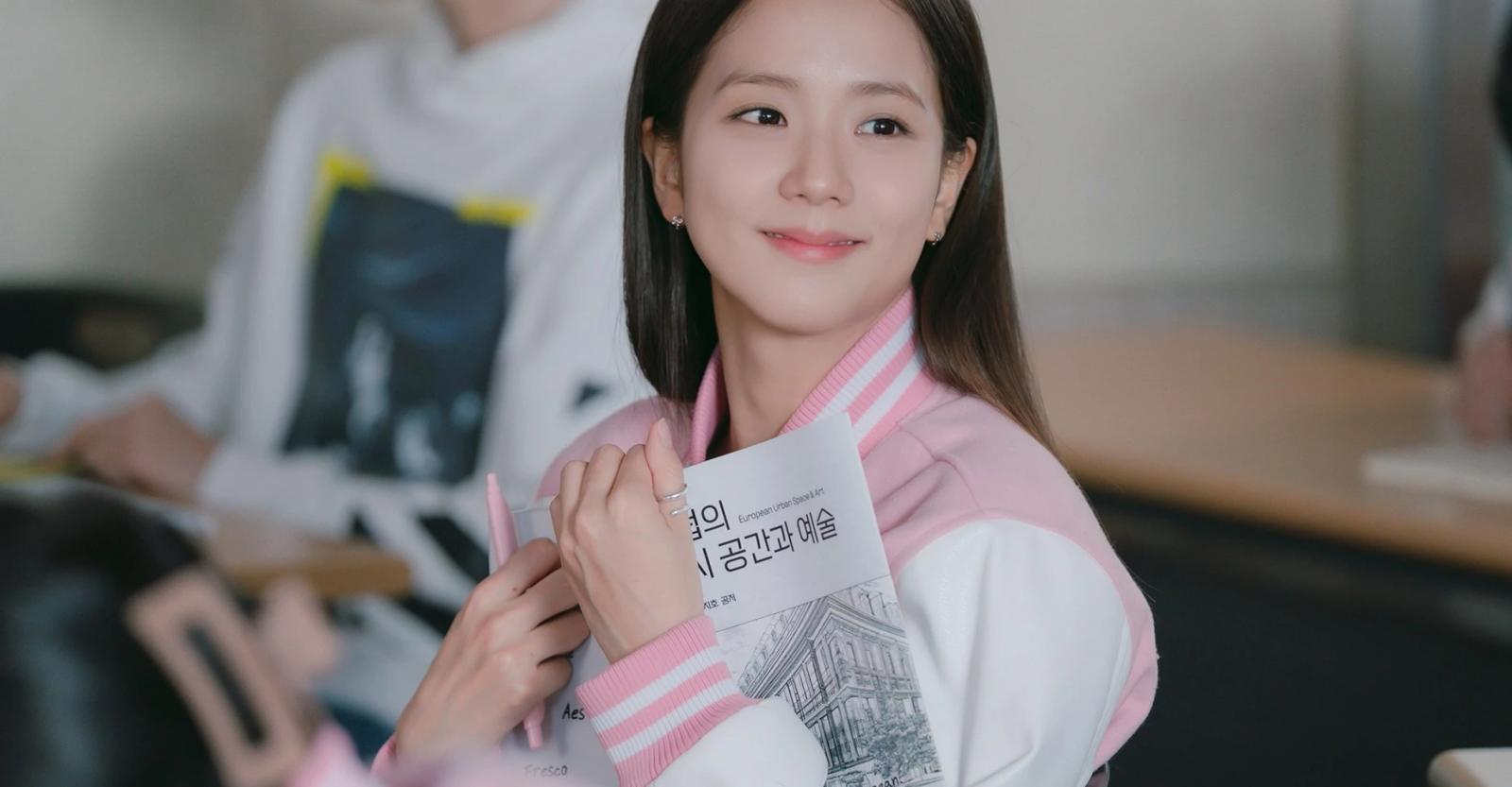
BLACKPINK's Jisoo (지수) is at the center of a fashion-loan dispute after Judassime founder Benjamin Voortmans said on the label's Instagram Stories and in a follow-up video that garments used for an album cover shoot had not been returned for about six months. In Judassime's original posts, later summarized by Korea JoongAng Daily, Voortmans said invoices, contracts, and repeated follow-ups had gone unanswered before he used Jisoo's name publicly to force a reply from the team handling the pieces. As reported by WWD and The Korea Times, Voortmans later clarified that he never intended to attack Jisoo personally and that the matter was being fixed. That sequence matters because it moves the story away from scandal bait and toward a sample-loan systems problem. For Jisoo and BLISSOO, the bigger issue is whether designer trust survives a long return delay, especially after our earlier coverage of BLISSOO's reputation management test.
What Benjamin Voortmans actually said, and why the update changed the story
According to The Korea Times' summary of Judassime's follow-up Instagram video, Voortmans framed the original complaint as a professional breakdown, not a personal attack on Jisoo. He said the garments had been sent to Korea in November for Jisoo's album cover shoot and that months of unanswered outreach pushed him to go public. He said he used Jisoo's name to get a response from the team handling the pieces and added that a staff member would travel to Korea to retrieve them. That clarification changed the temperature of the story immediately. Once the designer himself recast the issue as a process failure, the focus moved from fan-war theatrics to a more practical question: who signed for the pieces, who controlled the return schedule, and why an overseas label felt public pressure was the only way to restart communication.

Why this matters to K-pop fashion, not just Jisoo discourse
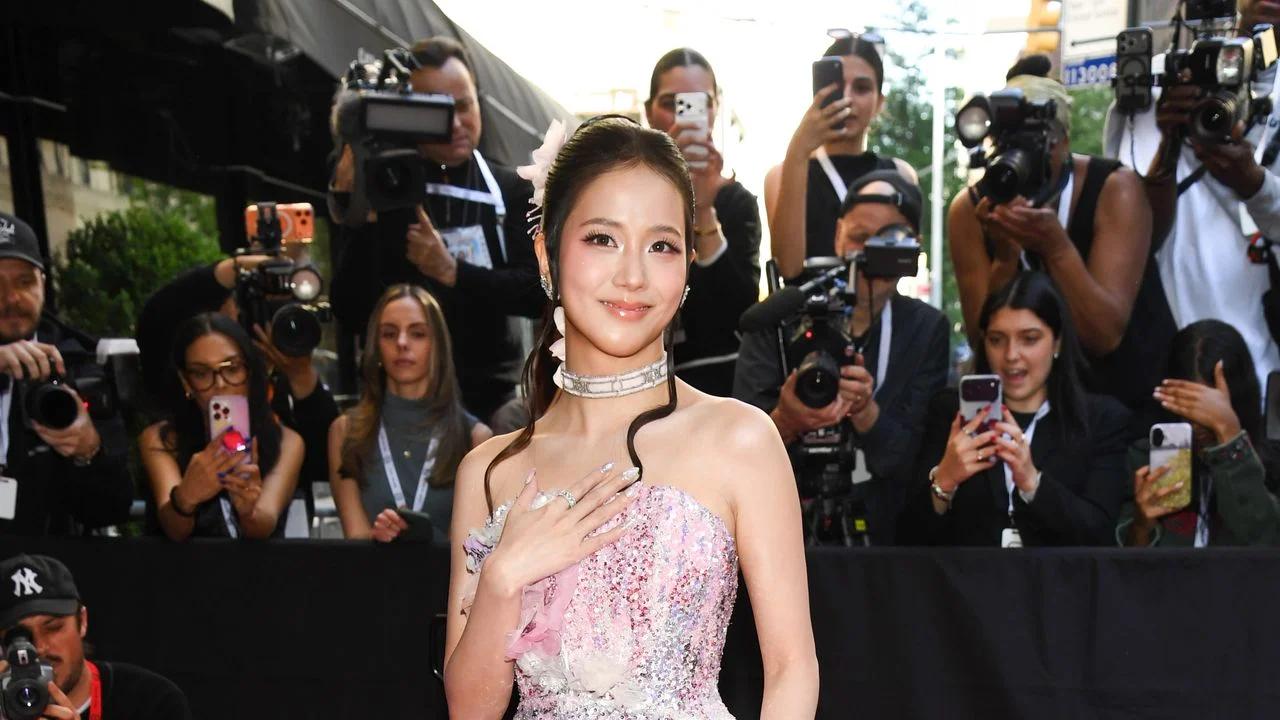
K-pop fashion runs on borrowed trust as much as borrowed clothes. Archive pulls, customs paperwork, courier delays, stylist handoffs, and agency approvals all sit between a designer and the final image the public sees. According to Voortmans' follow-up video, later summarized by The Korea Times, the issue escalated because months of silence made a public callout feel like the only way to restart the return process. Smaller labels can lose runway samples, future lending confidence, or both. We have already seen how central fashion has become to Jisoo's current positioning through our coverage of her Met Gala debut in Dior. That is why this dispute matters beyond one delayed return. Jisoo's solo structure now runs across BLISSOO, group activity with YG Entertainment, and luxury affiliations like Dior, so even a narrow styling dispute becomes a business story about how celebrity teams manage designer relationships at global scale.
What the online reaction got right, and what to watch next
The internet did what it always does with a top-tier idol controversy. One side treated the allegation as proof of personal wrongdoing. The other treated any criticism as anti-fan bait. The more grounded read is that this still looks like a communications failure unless harder evidence says otherwise. According to Korea JoongAng Daily, Voortmans used Jisoo's name publicly to force a response, while The Korea Times said he later described the matter as being resolved and asked people to stop sending malicious comments. As reported by StarNews on May 8, he had received a definite assurance the garments would be returned and that neither Jisoo nor BLISSOO had stolen the pieces. That is the detail that should guide the next cycle. As of the May 8 reporting, the public record HITKULTR could verify showed an assurance of return rather than a documented completed handoff. If Judassime confirms the handoff is complete, the story becomes a case study in how public pressure can force a fashion-business fix.