Share This Article
Korean Original Musicals Are Quietly Building a Global Export Lane
Korean original musicals are moving from local prestige to real export strategy, with The Last Man headed to London and titles like Fan Letter and Hongryeon already proving they can travel.
May 1, 2026
Korean original musicals are starting to look like a real Korean Wave export lane, not a niche side story. The clearest proof lands on May 8, when The Last Man (더 라스트 맨) opens at Southwark Playhouse Elephant in London for a run through June 13, while Fan Letter (팬레터) and Hongryeon (홍련) keep extending the map through Taiwan, China, and Japan. According to The Korea Herald's April 27 report, Korea's current musical season is being driven less by disposable novelty and more by refined originals that already proved they can travel. That matters. K-pop built the fandom machine and K-dramas built the binge habit, but stage IP offers something different: compact stories, repeatable licensing models, and productions that can be reimagined for local markets without losing their Korean core. If the past decade was about exporting stars, this next stretch may be about exporting Korean-created formats.
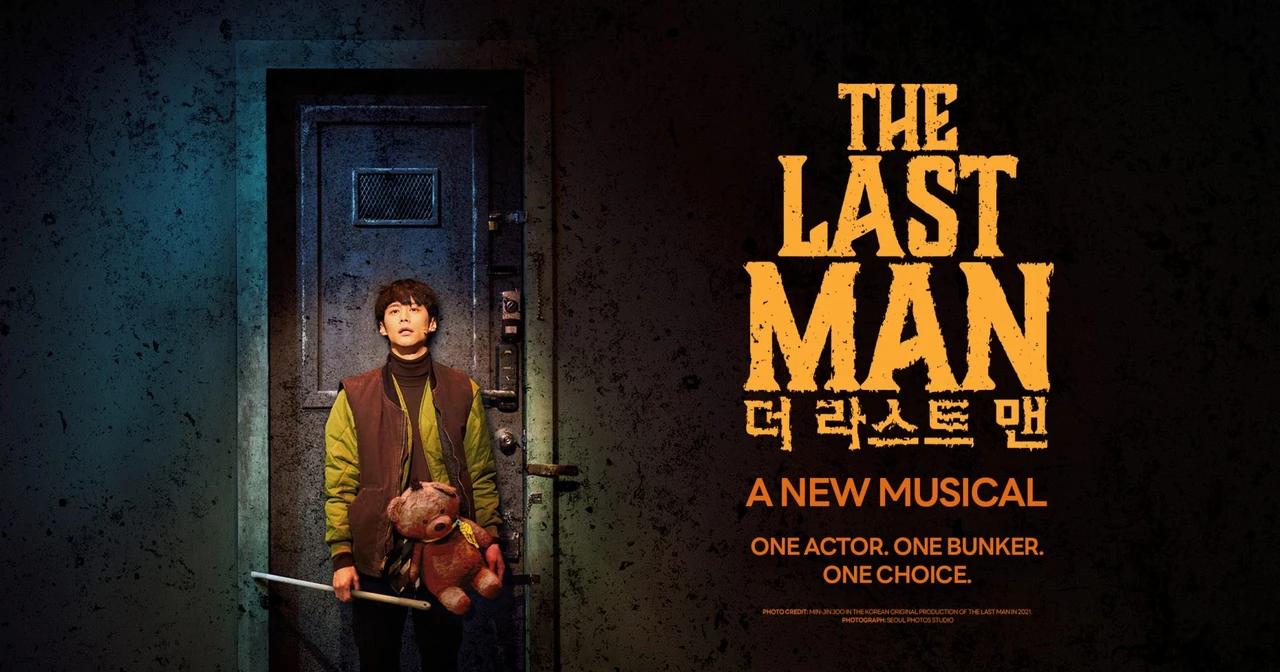
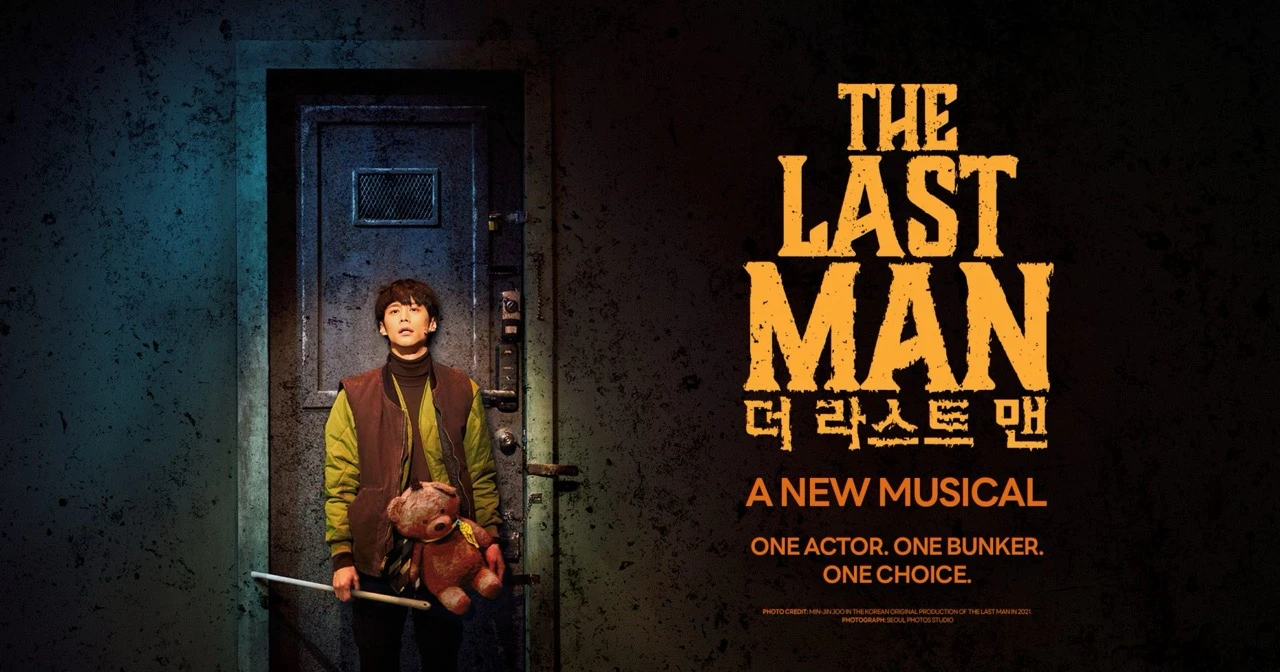
The Last Man gives that thesis a clean international showcase. According to Southwark Playhouse's official production page, it is a one-person musical driven by a live rock score and framed as a newly reimagined English-language version of the Korean show. The Korea Herald separately reported that the piece already moved through Seoul, Taipei, and Shanghai before this London stop, which is exactly the kind of routing that makes producers pay attention. This is not a one-night festival slot or a prestige reading used to test the waters. It is a commercial run in one of the world's most watched theater cities. That distinction matters because London remains a credibility market. When a Korean original can translate its tension, humor, and emotional logic there, it stops looking like a local curiosity and starts looking like portable intellectual property.
The London run matters because it tests portability, not just prestige
The Last Man matters because it is testing whether a Korean original can survive real market translation, not just earn polite overseas curiosity. As reported by The Korea Herald and confirmed by Southwark Playhouse, the show arrives in London after prior runs in Seoul, Taipei, and Shanghai, then retools itself again for an English-speaking audience. That is the exact muscle Korean stage producers need if they want long-term export economics instead of one-off cultural showcase wins. A rock musical built around one survivor in a bunker is also strategically legible to Western programmers. The scale is manageable, the premise is instantly understandable, and the Korean identity still stays intact. We have spent years treating Korean musicals like a side alley next to K-pop and streaming drama. That read looks dated now. If this run lands, more buyers will start asking which other Korean originals can make the same jump with similarly smart adaptation math.
Fan Letter and Hongryeon show this is already bigger than one title
Fan Letter and Hongryeon are the stronger proof that this is a pattern, not a single lucky export. Producers like NEO and ACOM have been building the kind of repeatable catalog that gives Korean musical IP real overseas legs. According to The Korea Herald, Fan Letter, now in its 10th anniversary cycle, has reached audiences through tours and licensed productions in Taiwan, China, and Japan, while the paper's February feature noted that Taiwan hosted the musical's first Korean original overseas tour back in 2018. In the same April report, the outlet said Hongryeon toured Shanghai and Guangzhou and drew standing ovations there. Put those facts together and the picture sharpens fast. Korean creators are not only sending one show abroad. They are building a repeatable catalog that can move across different scales, tones, and markets. One title is a curiosity. Several titles traveling on different timelines starts to look like an export strategy with actual depth.
Korean musical export has a longer runway than this week's headlines
Korean musical export did not suddenly start with The Last Man. A much earlier marker sits in Korean Cultural Center New York's 2011 program page for Hero (영웅), which documented the show's Lincoln Center run and framed it as a major Korean original arriving on a US stage. That older example matters because it shows the ambition has been here for years, even if the pipeline was still thin. What feels different now is the density. There are more exportable originals, more producers designing with subtitles and local adaptation in mind, and more international audiences already trained by Korean screen culture to meet this material halfway. It is the same structural logic we flagged in our look at Korea's webtoon-to-screen pipeline. Once a format proves it can travel, the industry stops asking whether it belongs overseas and starts figuring out how fast it can scale.
What to watch next
The next signal is simple. Watch whether more Korean originals arrive abroad as licensed productions and localized revivals, not just special-event imports. If London gives The Last Man real traction, the follow-up question will not be whether Korean musicals can travel. It will be which title is next in line. Southwark Playhouse's official production page is already framing the show as a newly reimagined English-language version, which is exactly the kind of positioning overseas buyers look for when they test whether a format can cross cleanly. The curiosity layer is already there. What is changing now is the business layer, with more venues and producers treating Korean originals like adaptable repertoire instead of one-off cultural imports. Korean musicals may never move with the volume of K-pop, but they do not need to. They just need a few durable titles, a few smart partners, and a few markets willing to keep the run going.