
Wavve
Wavve is one of the main pieces of South Korea's domestic streaming infrastructure. Launched in 2019 through the merger of pooq and oksusu, the platform gave broadcaster libraries and telecom distribution a single OTT home at a moment when global streamers were tightening their hold on Korean viewing habits.
That ownership structure is what makes Wavve matter. It sits in direct relationship with terrestrial broadcasters including KBS, MBC, and SBS, then competes in a market where local services such as TVING are also fighting for Korean drama and variety attention. Wavve is not just a catalogue app. It is part of the distribution logic behind how domestic audiences move between live channels, catch-up viewing, and platform originals.
Its public brand stays active across Instagram, X, YouTube, and TikTok under the wavve official name. HITKULTR tracks Wavve as a strategic local streamer: less export-facing than Netflix, but still central to how Korean broadcasters protect library value and keep new releases inside a Korean-owned platform ecosystem.
Gallery

Ambassadors & Partners
Fans Also Ask
What is Wavve?
Who owns Wavve?
Why does Wavve matter in Korean entertainment?
Latest Articles
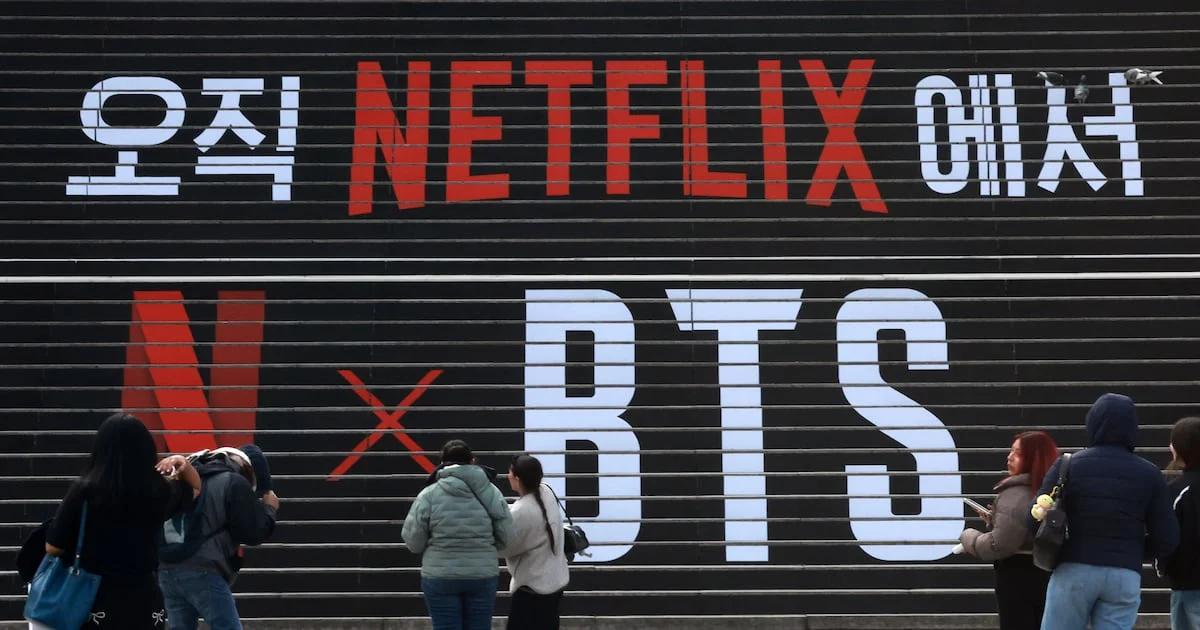
Korean Broadcasters Are Rebuilding Around Netflix and FAST
Korean broadcasters are leaning on Netflix, VOD growth, and FAST distribution to keep premium K-drama economics alive as local ad revenue and legacy TV models weaken.

Azure Spring Teaser Gives Yeri's May 11 Drama a Clearer Hook
Azure Spring's new teaser gives Yeri and Kang Sang Jun's coastal healing drama a clearer emotional hook before its May 11 MBN Plus premiere.