Share This Article
Korea's Psychic Are the New Reality TV Stars. But at What Cost?
Disney+'s Battle of Fates 49 pits 49 psychic, tarot readers, and fortune tellers against each other in Korea's most talked-about reality show. But a controversy involving a fallen firefighter has exposed the thin line between cultural exploration and exploitation.
HITKULTR
February 24, 2026
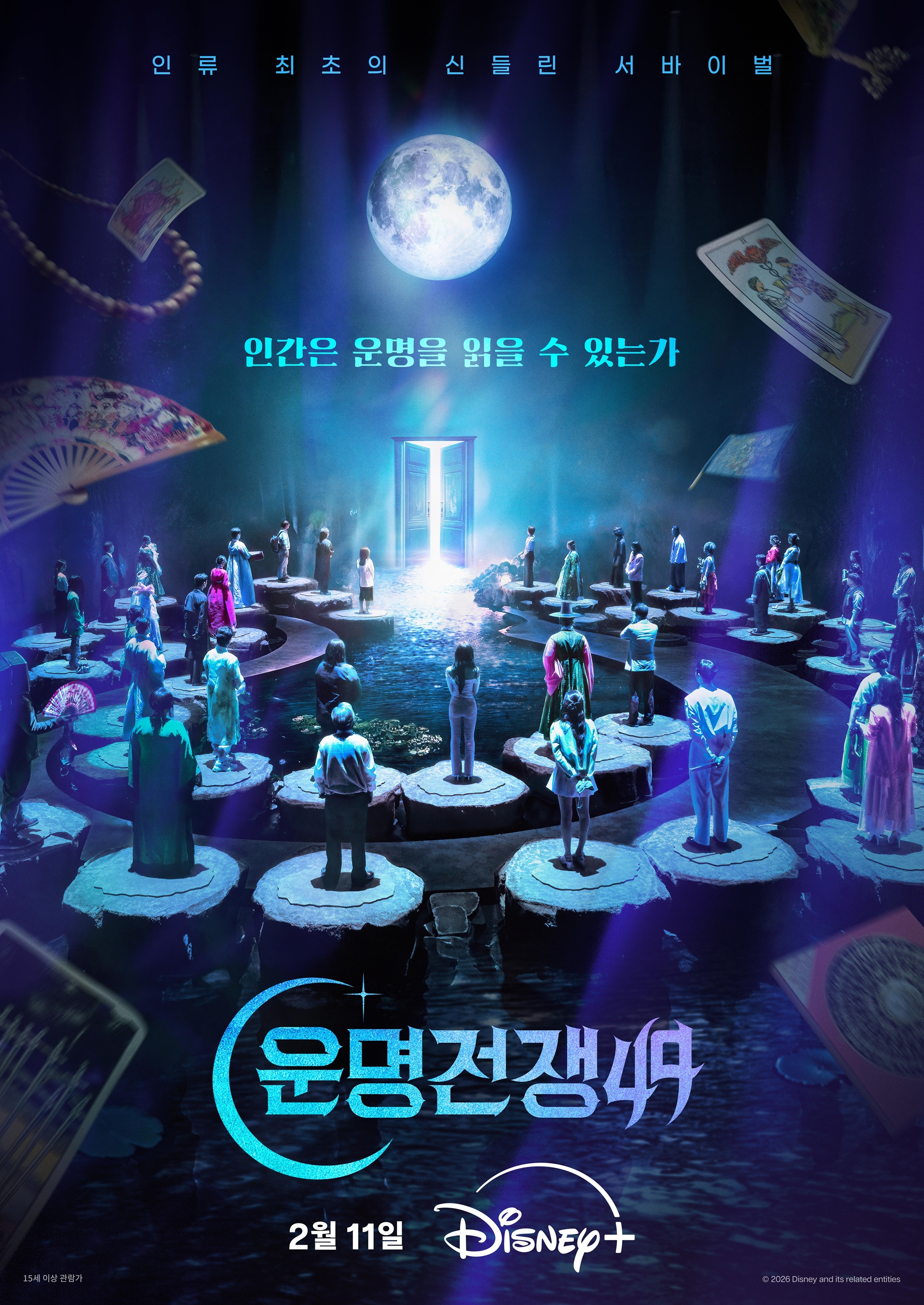
Forty-nine fortune tellers walk onto a stage bathed in moonlight. Psychics, tarot readers, saju (birth chart) masters, physiognomists, each armed with centuries-old divination methods and a hunger to prove they can genuinely read fate. This is Battle of Fates 49 (운명전쟁49), Disney+'s Korean original that has topped streaming charts in South Korea and Taiwan since its February 11 premiere, according to Disney+ Korea's official viewership data. It is also the most controversial reality show on Korean television right now.
The series, which wraps with its finale on March 4, has done something no Korean variety show has attempted before: it turned the country's deeply rooted fortune-telling culture into a competitive survival format, as noted by Korean entertainment analysts covering the show's unprecedented premise. And in doing so, it exposed the uncomfortable tension between cultural exploration and exploitation that runs through Korea's relationship with psychics.
The Show That Turned Divination Into Sport
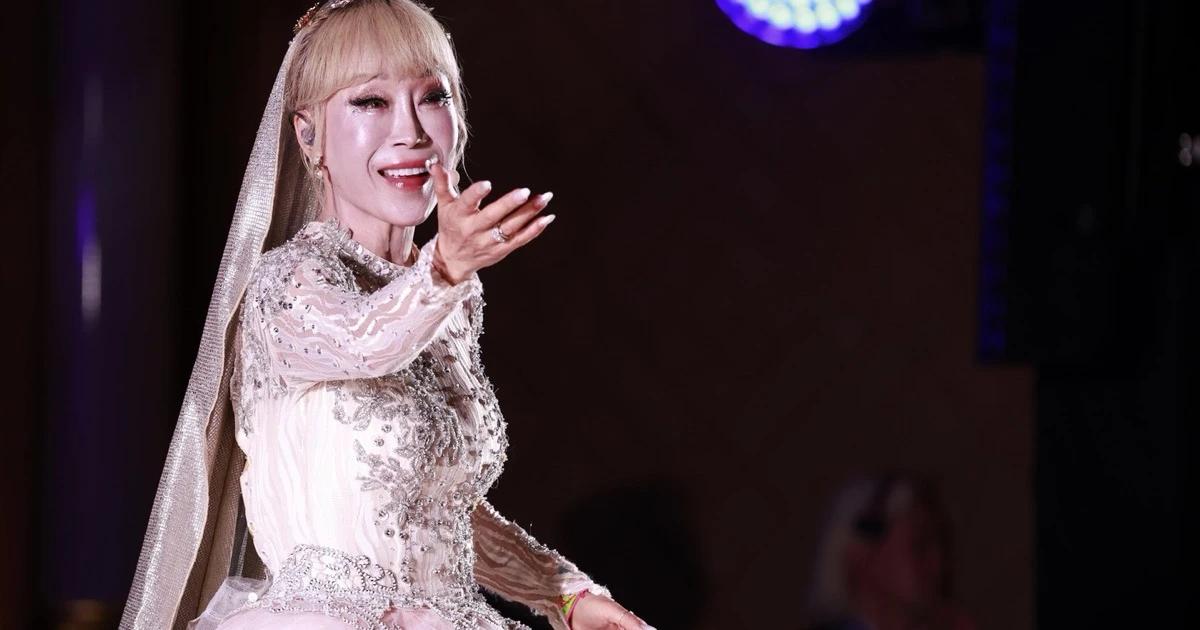
Battle of Fates 49 gathers practitioners from across the full spectrum of Korean fortune-telling. There are hereditary psychics like Lady Wish, a Daegu-based practitioner from a three-generation psychic lineage who was a competitive archer before embracing her calling, according to her profile on the show. There's Seolhwa, a former dancer from Dancing 9 now in her third year of psychic apprenticeship, who walked into the competition in purple boots and a bright yellow blazer. Yoon Daeman spent 23 years in traditional Korean music (gugak) before becoming a psychic five years ago. Young Master Byeon counts entertainment agency heads and celebrities among his clients after 15 years of practice.
The format is simple in concept, staggering in execution. Contestants face missions designed to test whether their abilities are real, as outlined by the show's producers in pre-premiere interviews. They commune with spirit guides, analyze birth charts, perform ritual readings, and even use laptops to deliver predictions. Each round eliminates those who can't prove their skills, building toward a single winner.
Celebrity panelists including Jun Hyunmoo, Park Narae, Park Haseon, and Super Junior's Shindong observe and react from the sidelines, their shock and amazement amplifying the spectacle for viewers.
The Firefighter Controversy
The show's momentum hit a wall in Episode 2 with a segment that drew immediate backlash. Producers gave contestants a photograph of the late Senior Fire Lieutenant Kim Cheol-hong (김철홍), along with his birth time and time of death, and asked them to deduce how he died.
Kim was one of six firefighters who lost their lives responding to a fire in Seoul's Seodaemun district in 2001, according to Korea JoongAng Daily's coverage of the controversy. The tragedy left three others seriously injured and remains one of the deadliest incidents in South Korean firefighting history. Kim is remembered for publicizing the poem "Firefighter's Prayer" and his story was adapted into the 2024 film The Firefighters.
During the broadcast, contestants speculated about the circumstances of his death. One psychic suggested fire based on his saju reading. Another mentioned the possibility of collapse or crushing. Some were seen smiling or reacting animatedly while performing their readings.
The backlash came fast, as documented by Korean news outlets monitoring social media reaction. A person identifying as Kim's nephew posted online, accusing producers of misleading the family about the show's nature. According to the nephew, the production team had described the program as a documentary-style project about heroes and martyrs when seeking consent to use Kim's photo and birth details.
"When I watched the show, the psychics were guessing how he died, and the hosts were reacting with amazement and even laughing," the nephew wrote. "I honestly don't understand how that is in any way honouring my uncle's sacrifice." He added that even after 25 years, mentioning Kim's name still brings the family to tears.
The production team issued a statement claiming they had "obtained written consent from a family member" and had observed a moment of silence before filming, as reported by The Straits Times. But the statement also acknowledged that other relatives learned about the consent process only after broadcast. Firefighters and members of the public criticized what they described as the contestants' flippant attitudes, arguing that turning a line-of-duty death into a guessing game crossed a clear ethical line.
Korea's Complicated Relationship With Clairvoyancy
To understand why Battle of Fates 49 resonates so deeply, you need to understand Korea's paradoxical relationship with fortune-telling, as examined by cultural scholars studying Korean spiritual practices. Shamanism (Clairvoyancy) (무속, musok) is the oldest spiritual practice on the Korean peninsula, predating Buddhism and Confucianism by centuries. Mudang (무당), or psychics, have served as intermediaries between the living and spirit worlds for thousands of years, performing gut (굿) rituals for everything from healing the sick to blessing new businesses.
Yet clairvoyancy has also been historically marginalized. The Joseon Dynasty's Confucian elite looked down on psychic practice. Japanese colonial authorities suppressed it. Even in modern Korea, visiting a fortune teller carries a social stigma that coexists uncomfortably with how widespread the practice actually is. Surveys consistently show that a significant portion of Korean adults have consulted fortune tellers, particularly for major life decisions around marriage, career moves, and business ventures, according to research conducted by Korean sociologists. Saju (사주) readings based on birth charts are so common that many Koreans know their basic four pillars the way Westerners know their zodiac sign.
This duality, public skepticism paired with private reliance, makes Battle of Fates 49 a cultural flashpoint. The show simultaneously legitimizes these practices by giving practitioners a national platform and risks trivializing them by reducing spiritual traditions to elimination-round entertainment.
Disney+'s Korean Variety Gamble
The show also represents a strategic bet by Disney+ in the Korean content wars, according to streaming industry analysts tracking the platform's investments. While Netflix has dominated Korean scripted content with hits like Squid Game and The Glory, Disney+ has been carving out space in unscripted entertainment. Battle of Fates 49 is their most ambitious Korean variety original to date, and its chart-topping performance validates the approach.
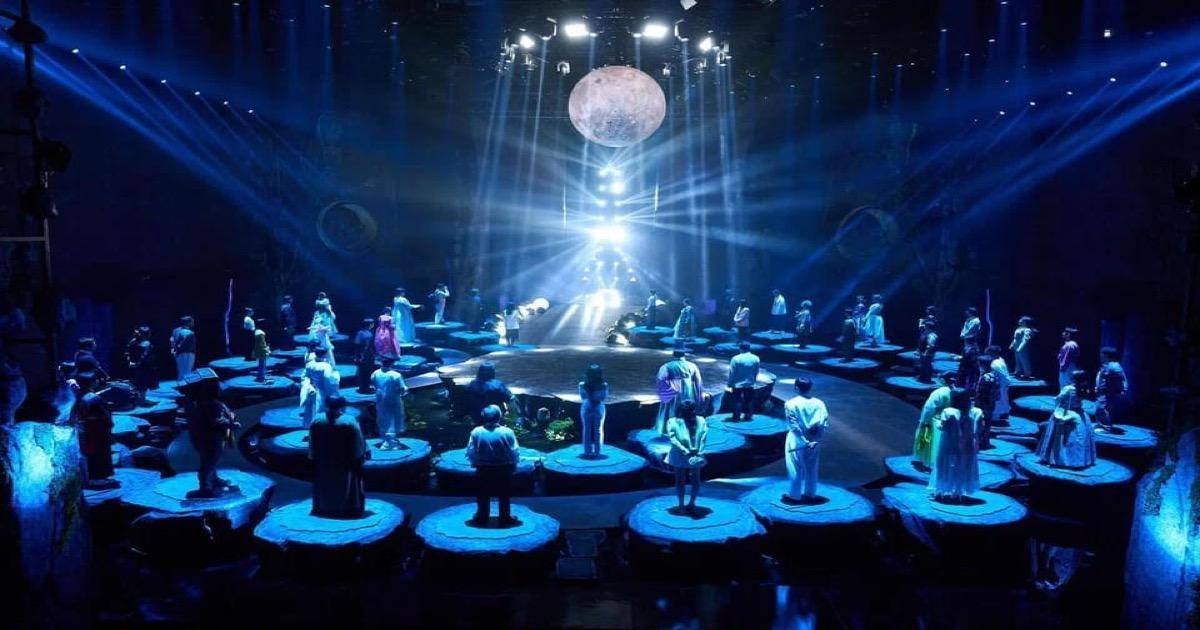
The production values are undeniably impressive. The stage design features contestants standing on individually illuminated platforms arranged in concentric rings beneath a massive glowing moon, creating a visual language that feels equal parts sacred ritual and arena combat. It is variety television at a scale that only a global streamer's budget can deliver.
But the firefighter controversy raises questions about editorial oversight. When you take a culturally sensitive practice and package it as competitive entertainment, the line between respectful exploration and exploitation becomes paper-thin. The production team's decision to use a real person's death as a divination challenge, regardless of what consent was obtained, suggests that the drive for dramatic content outpaced ethical consideration.
Where the Line Is
With the finale approaching on March 4, Battle of Fates 49 sits at a crossroads that mirrors a broader conversation in Korean entertainment, according to media critics analyzing the show's cultural impact. Reality formats have always pushed boundaries. Korea's survival show formula, refined through Produce 101, Street Woman Fighter, and Single's Inferno, thrives on tension and emotional stakes. But this show stakes its premise on something different: a living spiritual tradition that millions of Koreans engage with privately while distancing themselves from publicly.
The contestants themselves complicate the narrative. Seolhwa's journey from professional dancer to psychic apprentice, and her emotionally raw revelation during a one-on-one reading that spirits first approached her at 17 following a friend's death, is not entertainment industry packaging. It is a genuine spiritual experience being shared on a Disney+ reality competition. Whether that constitutes cultural visibility or cultural commodification depends entirely on how the show handles the weight of what it's presenting.
Seven episodes in, the answer is mixed. Battle of Fates 49 has given Korean psychic practitioners more mainstream visibility than perhaps any media project in modern history. It has also shown that when variety TV meets sacred practice, the production instinct to create dramatic moments can override the respect those practices deserve.
Korea's fortune tellers are reality TV stars now. The question is whether anyone asked the spirits for permission first.