Share This Article
Sumi Jo's ambassador role gives K-culture a classical power move
Sumi Jo's one-year foreign ministry appointment shows South Korea pushing K-culture through classical prestige as well as pop scale.
May 11, 2026
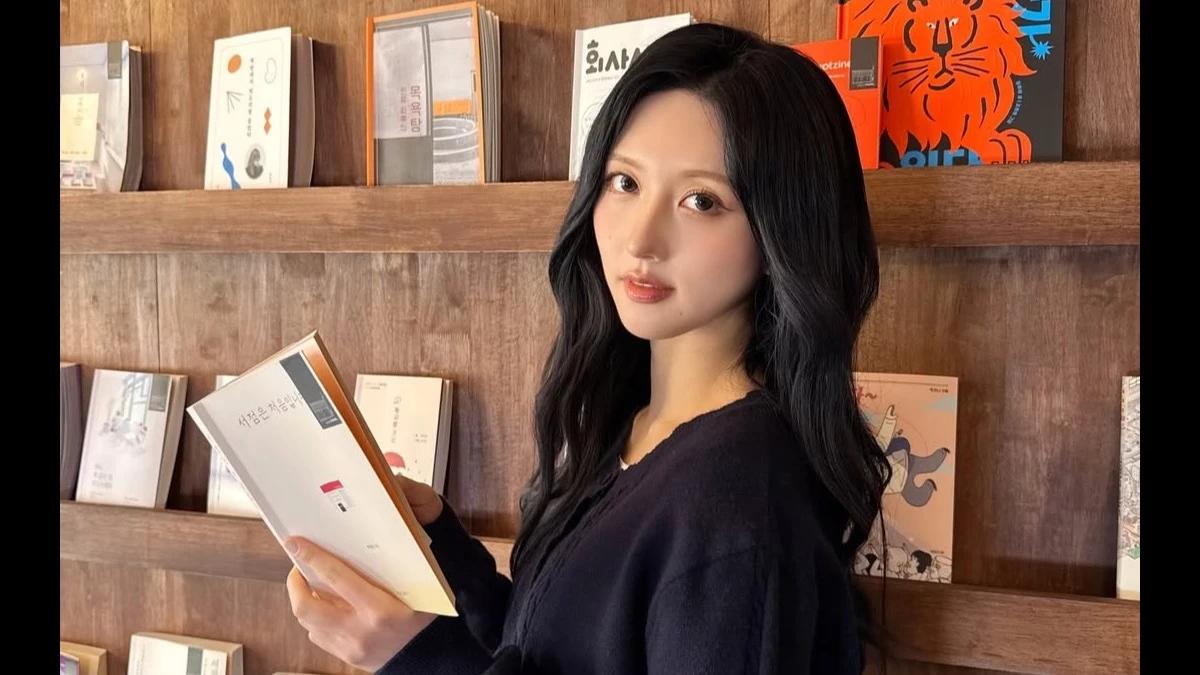
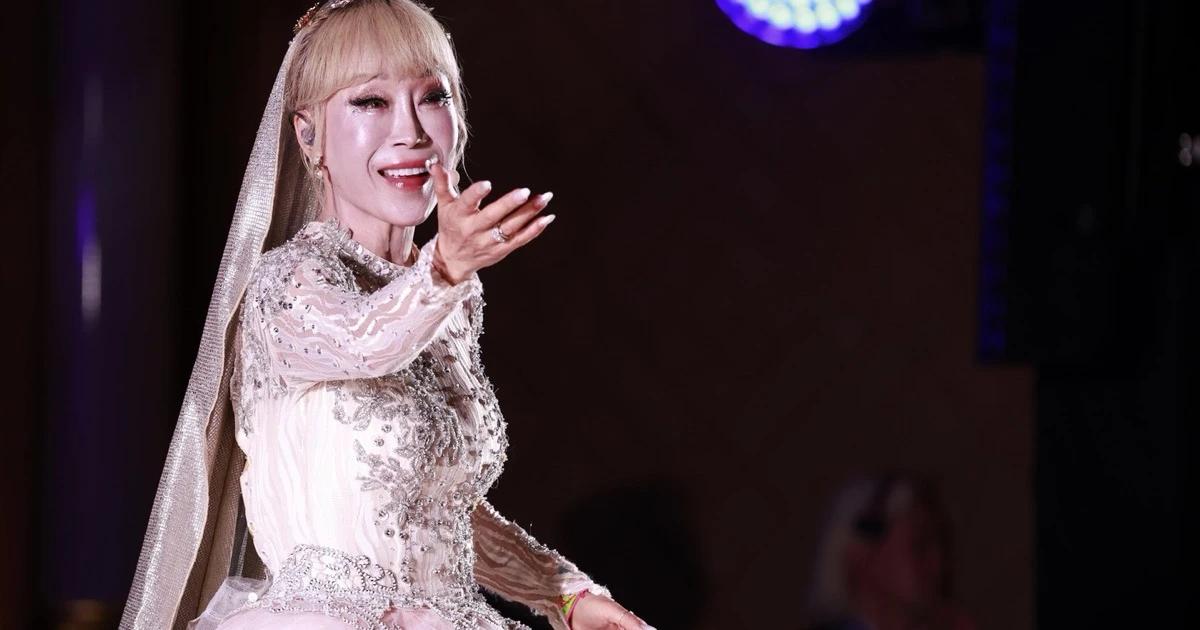
Sumi Jo (조수미) is South Korea's new cultural cooperation ambassador, a one-year appointment announced by the Ministry of Foreign Affairs of the Republic of Korea on May 8. According to Yonhap's English report on the ministry announcement, the Grammy-winning soprano is expected to help expand K-culture through public and private outreach rather than serve as a symbolic name on a press release. That matters because Jo arrives with the exact kind of prestige this strategy needs. She is not an idol crossing into diplomacy for optics. She is one of Korea's most internationally decorated classical artists, and the state is using that credibility to argue that K-culture is now broad enough to travel on operatic stature as easily as it does on pop spectacle.
Sumi Jo's new role is a clean sign of how Korea wants to export culture now
The foreign ministry said the cultural cooperation ambassador post is a one-year external-title role for publicly recognized specialists, according to Yonhap and KBS World's follow-up report. The ministry also said Jo is expected to advance the government's K-Initiative and widen understanding of Korea's cultural diplomacy agenda across public and private networks. That language is the key. It shows Seoul is not treating Hallyu as a music-only export anymore. The pitch now is broader and more mature: Korean culture as a full-spectrum national asset that can move through opera houses, cultural institutions, state events, and elite international circles as easily as it moves through streaming charts. If you wanted a single appointment that explains where the next phase of K-culture branding is headed, this is it.

Her career already reads like a cultural diplomacy case study
Jo fits this job because her career has been doing the work long before the title arrived. Yonhap noted that she is marking the 40th anniversary of her international debut this year and has previously served as a public relations ambassador for the Korea-Japan World Cup, a cultural public diplomacy envoy for the ministry, and a promotional ambassador for the 2018 PyeongChang Winter Olympics. As outlined on the Korean Cultural Center New York's listing for her March 2026 40th anniversary concert, she is still being framed as a global classical force with major-house credentials stretching from the Metropolitan Opera to La Scala. That is why this appointment feels smart. The government is not trying to manufacture cultural legitimacy around Jo. It is formalizing a role she has effectively played for years every time she steps onto an international stage carrying Korean cultural prestige with her.
This also gives HITKULTR's Sumi Jo story a sharper second chapter
This appointment lands less than three weeks after our coverage of Jo's new label chapter with SM Entertainment and Continuum. As reported by Yonhap and The Korea Herald in April, that recording move had already reset Jo's 2026 narrative, and the timing now makes it much more interesting than a simple anniversary lap. One lane is commercial and contemporary, with a prestige crossover album designed to reach new audiences. The other is institutional and diplomatic, with the foreign ministry asking the same artist to front a broader K-culture message. Those two tracks complement each other neatly. Jo's value right now is not just that she is famous. It is that she can move between classical music's old-guard legitimacy and K-entertainment's global momentum without looking out of place in either room.
What to watch next from Sumi Jo's ambassador year
The next useful question is not whether Sumi Jo can represent Korean culture internationally. She has already done that for decades. The real question is how visibly the foreign ministry activates her over the next year, and whether that activity stays symbolic or turns into a more coherent cultural diplomacy playbook. KBS World reported that non-career ambassador titles like this are designed to let private-sector figures carry out diplomatic work for one year, so the measurement now is execution. If Jo begins appearing across major overseas showcases, institutional partnerships, and state-backed culture events, this appointment could become a template for how Korea expands Hallyu's prestige layer. If not, it risks reading like a strong headline without a second act. Right now, though, the upside looks real, and the choice of Jo feels hard to argue with.