Share This Article
Korean Universities Turn the Korean Wave Into Degrees
Sookmyung Women's University launched a Korean Wave-focused college as overseas Korean-language study climbed. Korea is turning fandom into formal study.
May 13, 2026
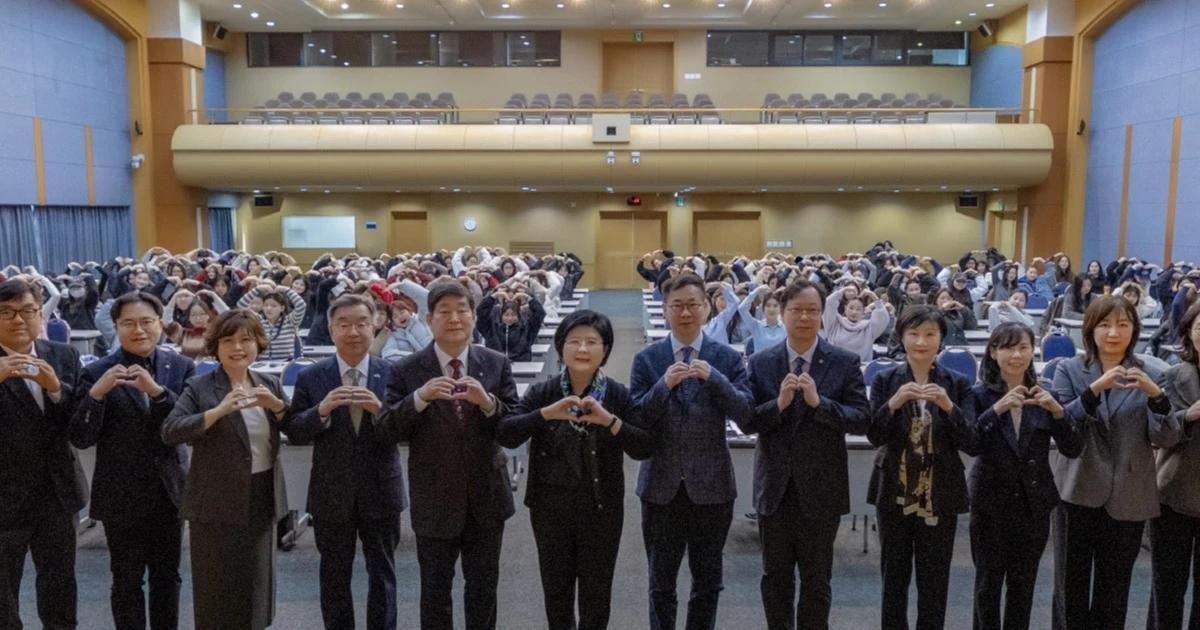
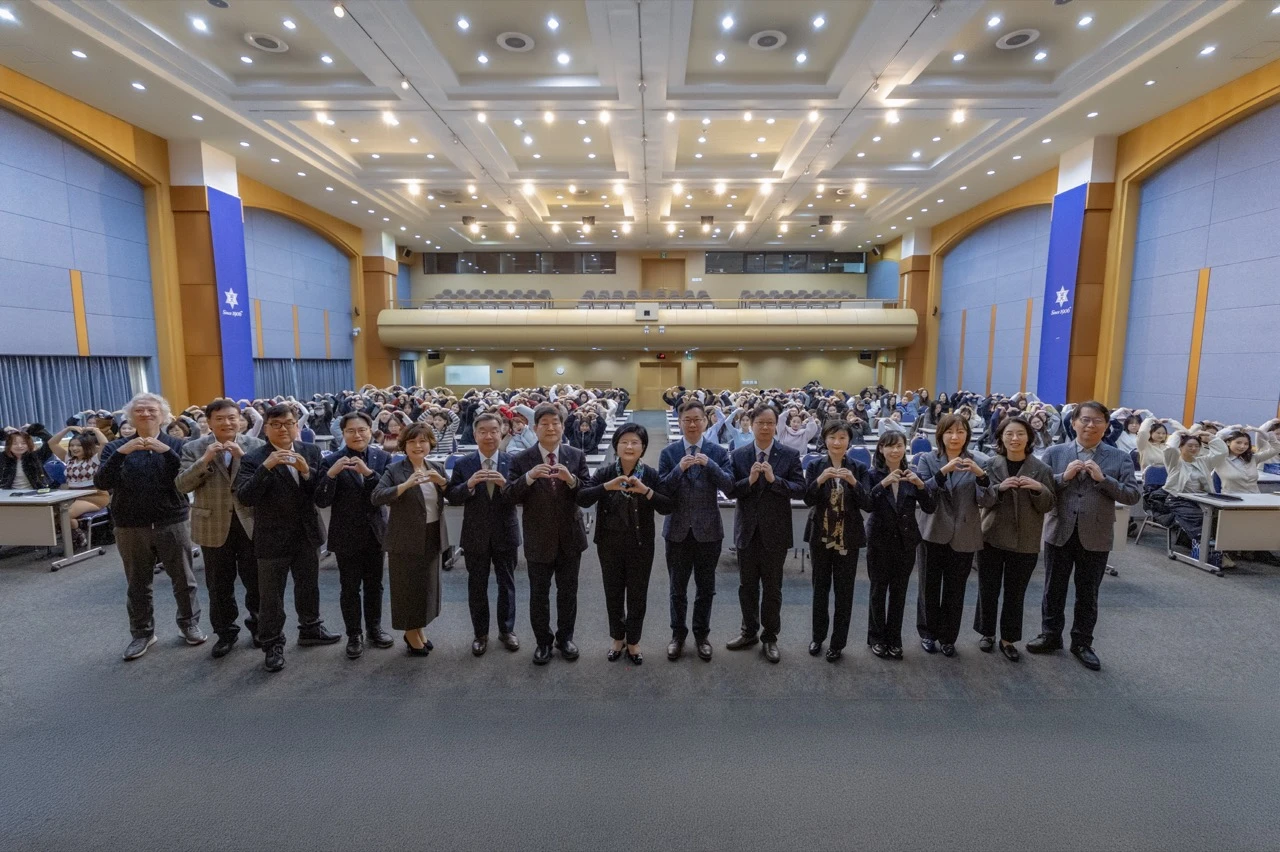
Sookmyung Women’s University (숙명여자대학교) launched its Hallyu International College in March 2026 as what the school calls the world's first college dedicated to the Korean Wave, and the timing is not random. According to Sookmyung's official launch announcement, the program is built for international students who want formal training in K-pop, K-beauty, K-content, AI, and digital technologies. The launch ceremony itself was held on March 19 at Centennial Hall in Yongsan, Seoul. At the same time, overseas schools offering Korean-language classes reached 2,777 by the end of 2025, up 54 percent in four years, according to The Korea Times' report citing Education Ministry data. The number of countries offering those classes also expanded to 47 for the first time. Put those developments together and the message is hard to miss. The Korean Wave, or Hallyu (한류), is no longer only a fandom economy. Korea is building a credentialed one with an actual student pipeline behind it.
That is the bigger story here. We have spent the last few months tracking Hallyu as policy, media power, and tourism demand through our coverage of the 2025 Hallyu Trend Report, our breakdown of K-pop’s global media dominance, and our look at K-culture’s travel pull. Sookmyung is framing this college as a global hub rather than a niche pop-culture elective, and Education Ministry-linked reporting backs that ambition with harder numbers: 2,777 overseas schools were already teaching Korean by the end of 2025. That combination makes the campus play easier to read. Sookmyung Women’s University is building the academic version of the same demand curve. Korea is starting to treat the Korean Wave not only as something to export, but as something to teach, certify, and turn into a repeatable talent pipeline.
Sookmyung just put the Korean Wave on the course catalog
Sookmyung’s Hallyu International College is not a cute branding exercise. It is a structured academic play that treats the Korean Wave as career training. Korea JoongAng Daily reported that the Division of Hallyu Studies covers K-pop, K-beauty, Korean culinary arts, content production procedures, copyright law, and portfolio building with professors and industry professionals. Sookmyung’s own announcement says the college also folds in AI, digital technologies, Korean-language support, and academic mentoring for international students. That mix matters because it turns Korean pop-culture demand into a job-ready curriculum. Students are not just being asked to admire Korean content. They are being trained to package it, translate it, market it, and build businesses around it. For a university celebrating its 120th anniversary, this is a sharp read on where the Korean Wave is headed next. The money is no longer only on the stage. It is in the systems around the stage.
The language data says this is bigger than one university
The most convincing proof that Sookmyung is early, not random, is the language pipeline underneath it. The Korea Times reported that overseas Korean-language programs grew from 1,806 schools in 2021 to 2,777 in 2025, while enrollment rose from 170,563 to 236,089 students over the same period, and Education Ministry-linked reporting says the number of countries offering those classes also climbed from 42 to 47. Those are not niche-club numbers anymore. They signal a broader base of students who are moving from passive interest to serious study, and that is exactly the audience a Korean Wave-focused college wants. That scale also gives universities a much bigger intake pool for degree programs built around Korean culture, language, and industry. If K-pop and K-dramas were the hook, Korean-language education is becoming the conversion layer. Universities can now recruit from a global pool of learners who already arrived halfway convinced.
The smartest part is that Korea is professionalizing fandom
The real value of this shift is not that universities suddenly noticed pop culture. It is that they finally noticed a behavior pattern the market has been broadcasting for years. Fans who first show up for an idol group or a drama binge often end up learning Hangul, the Korean alphabet, following Korean news, booking trips, following K-culture travel trends, and looking for structured ways to stay close to the culture. That migration from casual fandom to serious study is exactly what makes a Hallyu college viable. Universities can step into the same demand curve with something private learning platforms cannot offer: a degree, a campus network, and a direct line into Korean industry. In other words, they are professionalizing an interest that was already deepening on its own.
Translation may be the next serious bottleneck
According to Korea JoongAng Daily, the Literature Translation Institute of Korea plans to open a graduate school in 2027 focused on literary translation and cultural content across seven language tracks. That matters because Hallyu's next growth problem is no longer visibility. It is throughput. Korean culture is traveling faster than the supply of translators, localizers, editors, and cultural operators who can move it cleanly across markets. An industry can survive buzz without structure for only so long. Once universities and translation institutes start designing programs around that gap, the Korean Wave looks less like a trend cycle and more like export infrastructure.
This is what the next phase of Hallyu looks like
Korea has spent years proving it can make the world care about its music, dramas, beauty, food, and screen culture. Now it is trying to turn that attention into a formal pipeline for study, work, and cultural production. According to Sookmyung Women’s University, the mission is to create a global hub where students learn Korean culture, industry, and technology, then carry it outward again. That ambition sounds big, but the numbers already support it. When 2,777 overseas schools are teaching Korean and universities start building majors around Hallyu, the wave stops being just a symbol of influence. It becomes a recruiting funnel. We are watching Korea move from exporting content to exporting the know-how behind it, and that is a much more durable play.