Share This Article
KFTC Is Finally Auditing How Webtoons and Web Novels Pay Creators
KFTC has begun auditing revenue splits, MG recoupment, and secondary-rights clauses across Korea's webtoon and web novel business, putting creator pay at the center of the industry's 2026 story.
May 11, 2026
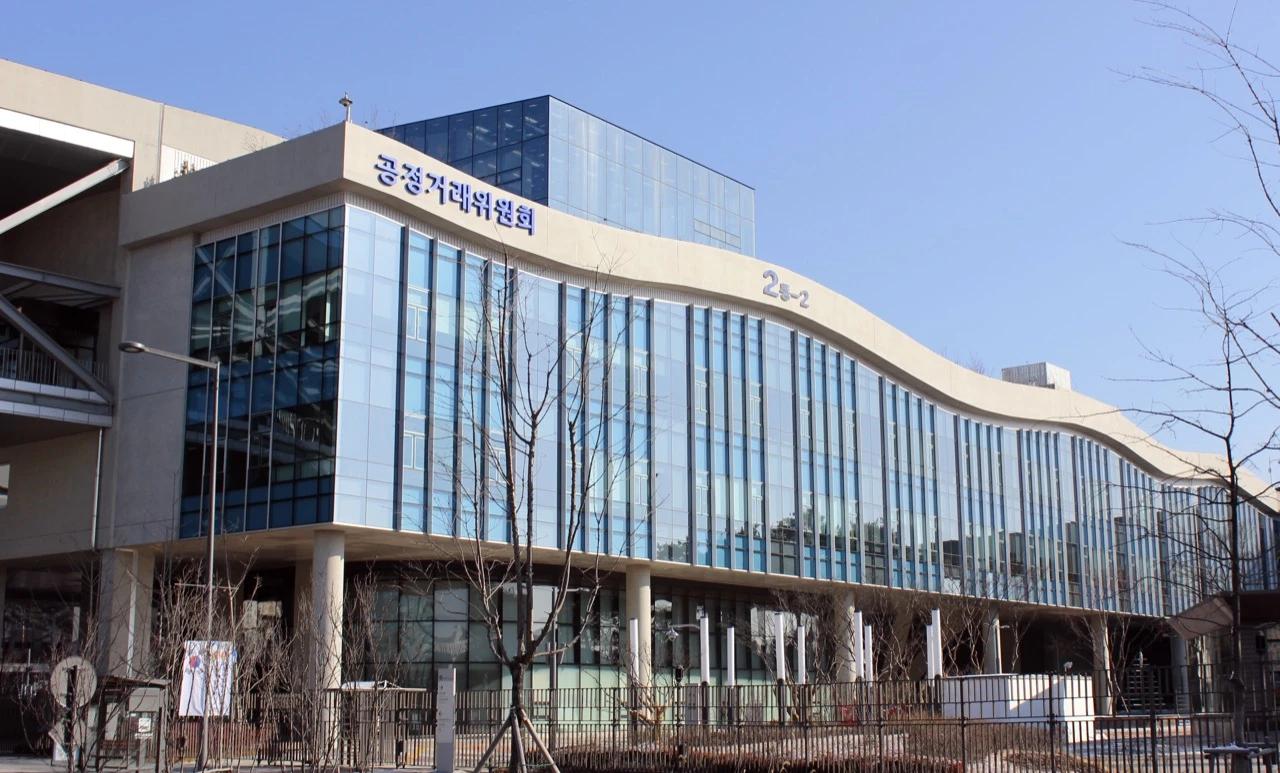
Korea's Fair Trade Commission has started a fact-finding audit of how domestic webtoon and web novel money is split between platforms, content providers, and creators, turning one of the Korean content business's longest-running complaints into an official 2026 regulatory test. According to eDaily's May 4 report, the review covers revenue-sharing formulas, minimum-guarantee advances known as MG, and secondary-rights clauses that shape who gets paid when a story becomes a drama, film, or game. As reported by Digital Daily, around 100 platforms and CPs are being surveyed through the end of the year, while Biz Hankook said the regulator is also weighing whether some practices could trigger Fair Trade Act or standard-terms violations. That is a big deal because webtoons are no longer niche app fodder. They are core Korean IP infrastructure, and the real fight is no longer whether the business is booming. It is whether creators are getting a clean share of that boom.
The KFTC is digging into the contract plumbing, not just the headlines
KFTC's first target is the contract plumbing that creators have complained about for years. Biz Hankook reported that the regulator is scrutinizing revenue-sharing structures, recoupable MG payments, and secondary-work rights, while eDaily said the survey will also examine market-share shifts, hit-title acquisition tactics, and the layered platform-to-CP-to-creator supply chain. In plain English, the state wants to know whether the money trail gets murkier every time one more intermediary touches a series. That question matters even more now that Korean story IP can spin out into streaming, games, and overseas licensing. We already tracked that expansion in our feature on webtoons' 2026 screen takeover. If the upside keeps multiplying downstream but the original creators still face opaque settlements upstream, then the next webtoon growth argument starts sounding less like innovation and more like extraction.
MG is the most important term for casual readers to understand
MG stands for minimum guarantee, essentially an advance that works like an up-front payment before a title fully proves itself. According to Digital Daily and eDaily, the problem starts when that advance is later recouped through opaque deductions, leaving creators unsure about when real profit begins or whether a hit adaptation will meaningfully change their settlement. Digital Daily also reported that the current survey runs through the end of 2026, giving writers and artists a live window to surface complaints while regulators are still mapping the sector. That is why this probe matters beyond legal jargon. A contract can look protective on paper and still feel punitive in practice if the accounting rules are hard to audit.
The timing is brutal for platforms, and that is exactly why it matters
The timing could not be more awkward for the biggest players. Korean platforms have spent the past year selling webtoons as premium IP with better anti-piracy controls, bigger adaptation upside, and broader global reach. We covered the business side in our report on how Naver's piracy fight is reshaping the AI-era webtoon business and the enforcement side in our look at the TuMangaOnline shutdown. Now the state is testing whether stronger business fundamentals are actually reaching creators. That puts fresh pressure on companies like Naver Webtoon and Kakao Entertainment to prove that growth rhetoric is backed by contracts creators can live with. It also lands just as WEBTOON's Warner Bros. Animation slate and Prime Video's new Kakao adaptation play are underlining how valuable downstream webtoon IP has become. According to WEBTOON's 2026 creator-program notice, the WEBTOON platform is expanding monetization, creator support, and performance dashboards this year, which makes the current audit feel less like optional brand polish and more like part of a wider trust battle.
What happens next
According to Digital Daily, the survey is expected to run through the end of 2026, with deeper fact-checking or policy follow-up possible after that. Biz Hankook and eDaily both noted that lawmakers' offices have already collected hundreds of industry complaints, so the regulator is not walking in cold. That complaint trail matters because it gives KFTC a paper record far bigger than one week's outrage cycle and makes it easier to test whether pay disputes are isolated cases or a structural pattern. We are probably still months away from any clean enforcement headline. Still, the important shift has already happened. Korea's webtoon debate is moving from piracy and adaptation hype to the harder question underneath both stories: who actually gets paid once the platform, the CP, and the rights stack all take their cut.