The Pulse of K-Entertainment

Dreamcatcher
GroupDreamcatcher Company

Dreamcatcher

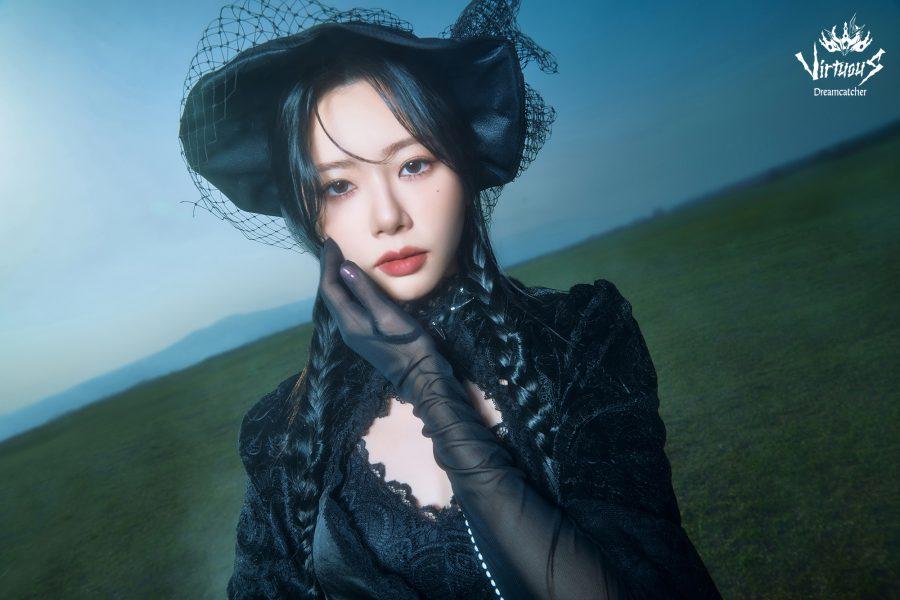
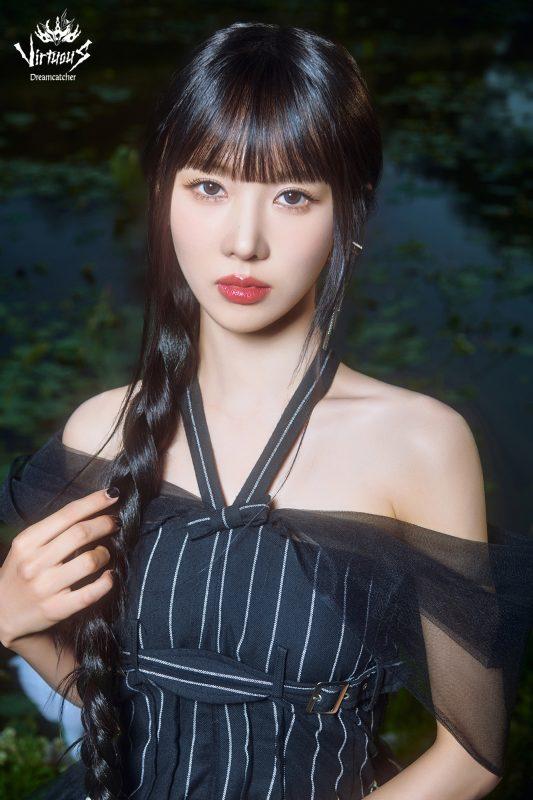
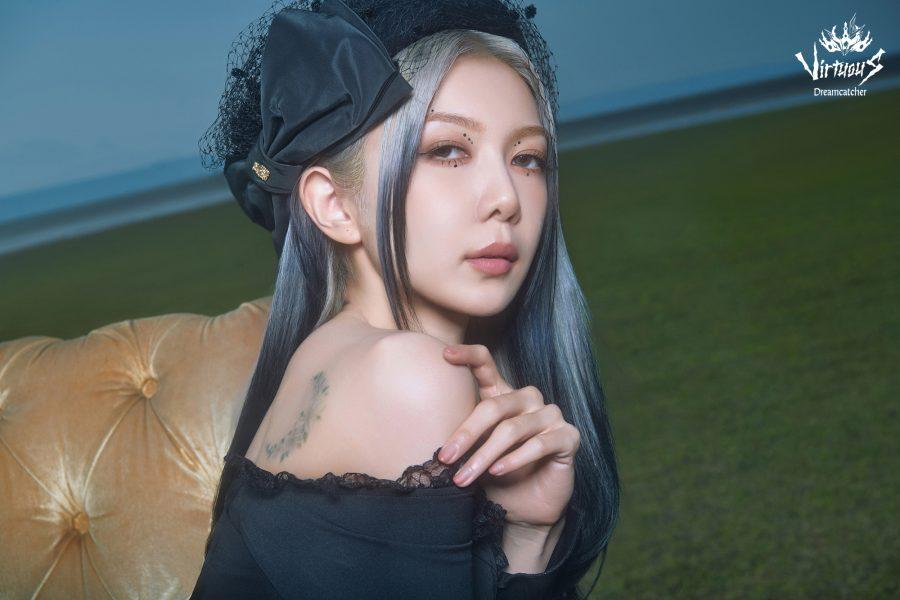
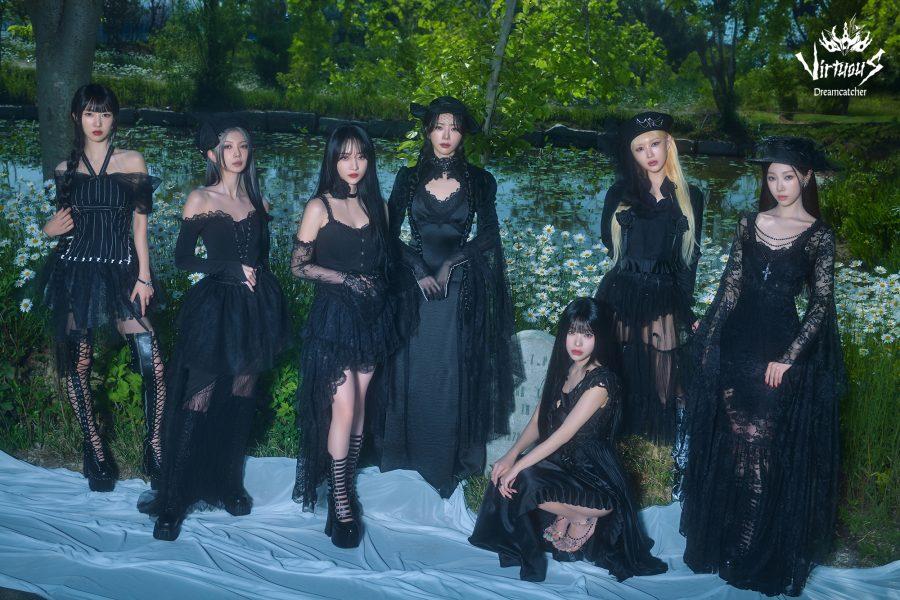
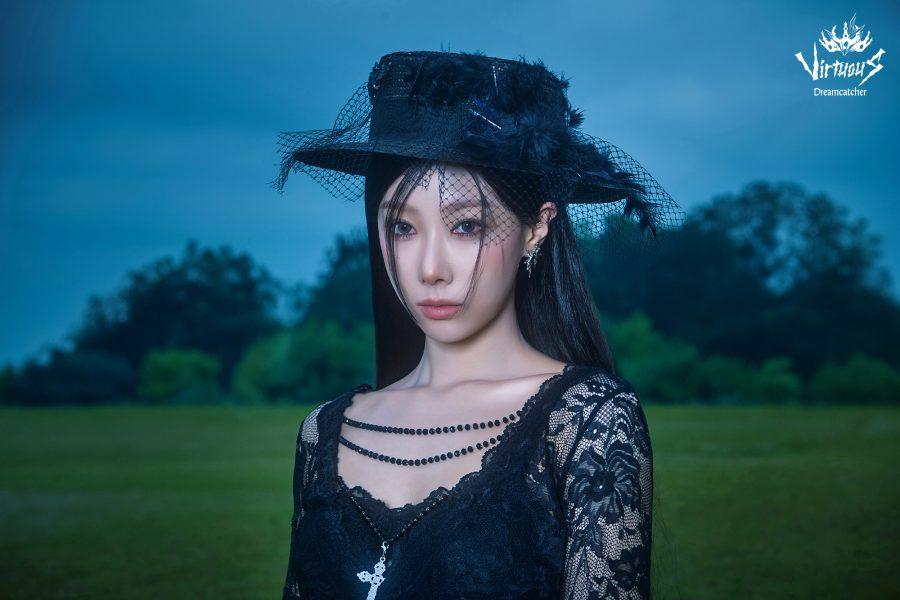
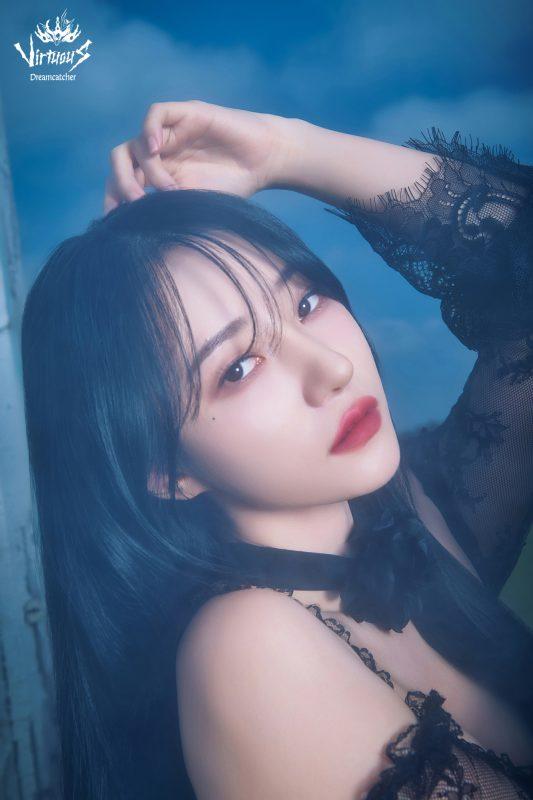
Dreamcatcher (드림캐쳐) built one of the most distinct catalogs in modern K-pop by refusing the easy lane. Formed under Dreamcatcher Company after the MINX reset, the seven-member group of JiU, SuA, Siyeon, Handong, Yoohyeon, Dami, and Gahyun turned horror-fantasy concepts, live-band texture, and hard-edged hooks into a durable identity that still feels singular inside a crowded market.

Their breakthrough was not built on one viral domestic moment. It came from consistency. The Nightmare and Dystopia runs gave Dreamcatcher a sound world that fans could identify in seconds, while relentless touring across North America, Europe, and Latin America turned the group into one of K-pop's clearest international cult-to-mainstream success stories. Releases like The End of Nightmare, Dystopia: The Tree of Language, and Apocalypse: Save Us showed how the group could scale up without softening what made them different in the first place.

That edge still matters in 2026. Dreamcatcher remains active, their official channels stay busy, and the catalogue keeps expanding past the old misconception that the group was only about concept. What HITKULTR captures is the full picture: a team with real staying power, a defined fan culture in InSomnia, and one of the strongest arguments that rock-driven K-pop can sustain a global audience over the long term.
1 articles10 creditsDebut: January 13, 2017South Korean

Gallery

Discography

2024
VirtuouSEP
Group
2022
Apocalypse: Follow UsEP
Group
2021
Dystopia: Road to UtopiaEP
Group
2020
Dystopia: Lose MyselfEP
Group
2018
Alone in the CityEP
Group
2017
PrequelEP
Group

Other Credits

2022
Apocalypse: Save UsStudio Album
Group
2020
Dystopia: The Tree of LanguageStudio Album
Group
2019
The End of NightmareSingle Album
Group
2017
NightmareSingle Album
Group

Fans Also Ask

Who are the members of Dreamcatcher?
Dreamcatcher has seven members: JiU, SuA, Siyeon, Handong, Yoohyeon, Dami, and Gahyun. The lineup took shape when MINX rebranded into Dreamcatcher in early 2017, adding Handong and Gahyun to the original core. That seven-member structure has remained central to the group's identity and long-term fan loyalty.
When did Dreamcatcher debut?
Dreamcatcher debuted on January 13, 2017 with the single album Nightmare. The group emerged from the earlier act MINX, but the rebrand was more than a name change. It reset the music, visual language, and market positioning around darker concepts, rock production, and a more internationally resonant identity.
What makes Dreamcatcher different from other K-pop girl groups?
Dreamcatcher stands apart because the group built its brand around rock guitars, post-punk tension, and horror-fantasy storytelling instead of trend-chasing lighter pop formulas. That sonic commitment gave them a clear lane in K-pop, and it helped build a global fanbase that treats Dreamcatcher less like a niche experiment and more like a long-term staple.
What is Dreamcatcher's fandom called?
Dreamcatcher's fandom is called InSomnia. The name ties directly into the group's nightmare concept, creating one of the cleaner pieces of branding in K-pop. InSomnia also reflects the group's unusually international footprint, since much of Dreamcatcher's growth came through sustained overseas touring and multilingual fan engagement.
Is Dreamcatcher still active?
Yes. Dreamcatcher remains active as a seven-member group in 2026, with official channels, merchandise operations, and recent releases confirming the group is still in motion. Their later-period career has been defined by durability: steady touring, a loyal fanbase, and an ability to keep evolving without abandoning the sound that made them stand out.

Latest Articles