Share This Article
When Presidents Call About Concert Tickets: BTS, Mexico, and K-Pop's Diplomatic Power
Mexico's president wrote a diplomatic letter to South Korea's president asking for more BTS concert dates. The response drew a line between soft power and political overreach.
HITKULTR
February 24, 2026
A sitting president wrote a formal diplomatic letter to another head of state asking for more concert dates. Not a trade deal. Not a military alliance. Concert tickets. For BTS. The exchange between Mexico and South Korea over BTS's ARIRANG World Tour schedule has become the most unexpected diplomatic story in K-pop history, and it reveals just how far the genre's influence has extended beyond music into the realm of international relations.
Mexico's President Claudia Sheinbaum confirmed in a two-minute TikTok video on February 20 that she had received a response from South Korean President Lee Jae-myung regarding her request for additional BTS ARIRANG World Tour dates in Mexico City, according to reporting by Korea Times. The exchange, which began with a press briefing remark on January 19 and escalated into a formal diplomatic letter, marks what may be the most unusual application of international relations in K-pop history. Sheinbaum's decision to pursue the matter through official government channels rather than private industry contacts signals how seriously her administration has taken the fan outcry following the ticketing crisis. The sequence represents something new in cultural diplomacy: a G20 leader using state-to-state communication to address pop concert scheduling.
Lee's response was diplomatic in every sense, according to the official statement released through South Korea's presidential office. He expressed pleasure at "relations between Korea and Mexico deepening further, based on mutual respect and trust between the two leaders," confirmed the request had been conveyed to BTS's agency, and then drew a clear line: the private sector leads pop culture activities. The government can relay a message. It cannot compel a tour schedule change.
The Ticketing Crisis That Started It All
The diplomatic drama traces back to a ticketing meltdown that exposed the gap between demand and supply for K-pop's biggest live act. BTS's three Mexico City shows at GNP Seguros Stadium on May 7, 9, and 10 sold out in 37 minutes, as confirmed by Ocesa, the local concert promoter handling the tour's Mexico leg. More than one million people attempted to purchase roughly 150,000 available seats, according to data shared by Mexico's federal consumer protection agency Profeco. That is a ratio of nearly seven people fighting for every single ticket, a number that rivals the most sought-after concert events in recent history and demonstrates why the fan frustration reached such intensity.
Fans flooded social media with complaints about undisclosed seating plans and hidden fees. Mexico's federal consumer protection agency, Profeco, announced it would investigate alleged irregularities by ticket sellers and resale platforms, according to the agency's official statement on January 20. Sheinbaum, sensing both genuine fan frustration and a politically savvy moment, escalated the issue to the presidential level.
Local promoter Ocesa reportedly told Sheinbaum that BTS's packed itinerary made adding shows unfeasible, per reporting by Mexican news outlet El Universal. The ARIRANG World Tour spans 82+ dates across 34 cities in 23 countries, running from April 2026 through March 2027. There is, quite literally, no room on the calendar.
When Soft Power Gets Loud
The Sheinbaum-Lee exchange is funny on the surface. A president pleading for concert tickets through diplomatic channels reads like satire. But underneath the absurdity sits a real story about how far K-pop's influence has traveled from the practice rooms of Seoul.
K-pop has been a tool of South Korean soft power for over two decades, as documented in numerous academic studies and government reports. The government has invested billions in the Korean Wave through agencies like the Korea Creative Content Agency (KOCCA). BTS addressed the United Nations General Assembly. K-pop acts have been deployed at diplomatic events worldwide. The genre's ability to generate goodwill, tourism revenue, and cultural cachet is well documented.
But there is a difference between a government promoting its cultural exports and a foreign president using formal diplomatic channels to request concert dates from another head of state. Sheinbaum's letter crossed a threshold that makes even K-pop's most enthusiastic government supporters uncomfortable.
ARMY Pushes Back
BTS's fanbase, ARMY, did not universally celebrate the diplomatic intervention. Online reaction was split between fans grateful that someone in power acknowledged the ticketing crisis and fans who bristled at the idea of BTS being treated as a diplomatic bargaining chip.
"This is so messy" was a common refrain across fan forums and social media. The concern is straightforward: when governments start making requests about tour schedules, the line between cultural exchange and political leverage gets dangerously thin. BTS members have repeatedly expressed discomfort with being used as political symbols, and ARMY has historically been protective of that boundary.
Lee's response suggests South Korea is equally wary, according to analysis by Korean political observers. His emphasis on private sector autonomy was not just diplomatic boilerplate. It was a deliberate message: HYBE and BigHit Music make tour decisions, not the Blue House. The government will pass along a request, but it will not apply pressure.
The Bigger Question
The BTS-Mexico saga raises a question the K-pop industry has been dodging for years: what happens when a pop group becomes so powerful that it operates on the same plane as international diplomacy?
BTS generated an estimated $5 billion annually for the South Korean economy at their peak, according to data from the Hyundai Research Institute. Their military service exemption debate consumed the National Assembly. Their music has been played at diplomatic summits. And now, their tour schedule has become the subject of formal correspondence between two G20 nations.
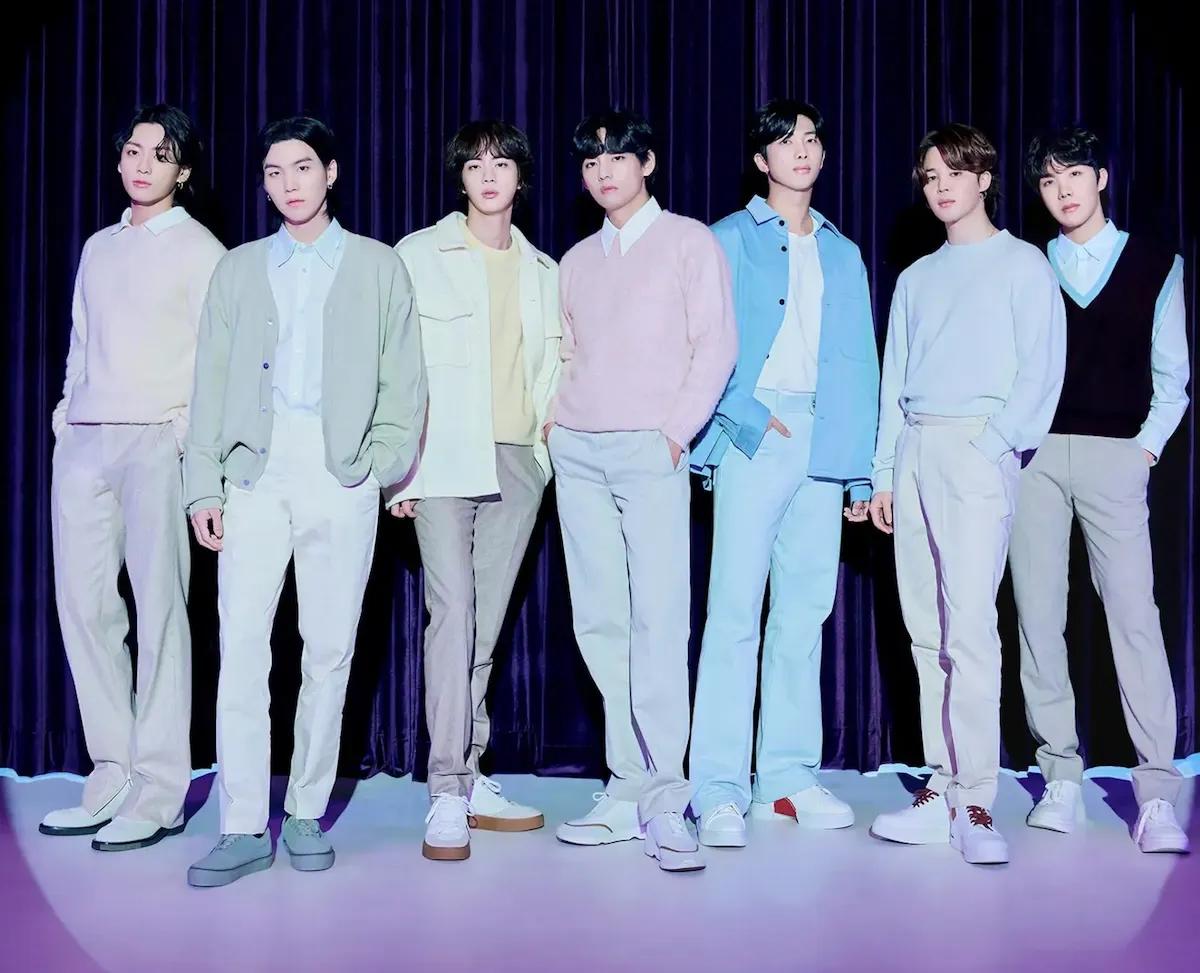
The group did not ask for any of this. They make music. They perform. They connect with fans. But the infrastructure around them, from HYBE's corporate machinery to South Korea's soft power apparatus to the political instincts of a Mexican president, has turned a seven-member boy band into something that transcends entertainment.
Sheinbaum ended her TikTok by telling viewers, "Let's all look forward to some good news." Whether that good news materializes remains to be seen. But the fact that a presidential TikTok about a K-pop concert request generated international headlines tells you everything you need to know about where the genre stands in 2026.
The presidents are calling. BTS is not picking up. And that, perhaps, is exactly the right answer.