Share This Article
Japanese Men Are Redefining Grooming With K-Beauty
Korea has overtaken France as Japan's top cosmetics supplier. The man behind the shift? Felix of Stray Kids, HERA's first-ever male global ambassador.
March 10, 2026
Korea has officially beaten France at beauty, and the audience driving the shift is one no one predicted ten years ago: Japanese men in their 20s, 30s, and 40s, rebuilding their daily routines around a single aesthetic reference point, the glowing, natural-looking skin of Korean male idols.
This is not a niche curiosity. K-beauty ranked first in Japan's total cosmetics imports in Q1 2025 with a 32.6% market share, according to the Cosmetic Importers Association of Japan. France, home to Chanel, Dior, and Lancome, came in second at 21.2%. The gap: 11.4 percentage points, widened by 5.5 points year-over-year.
The Look Japanese Men Are Chasing
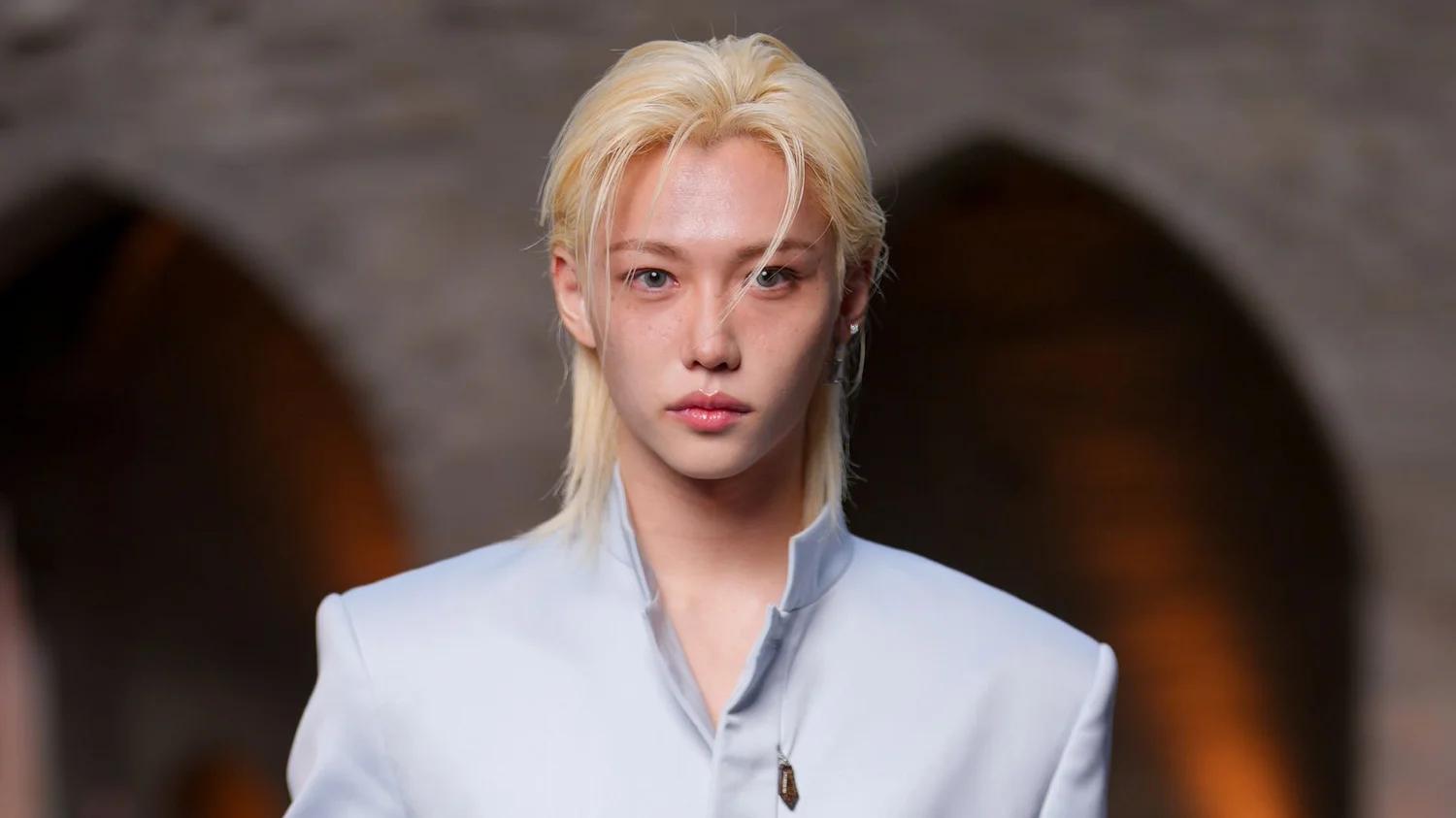
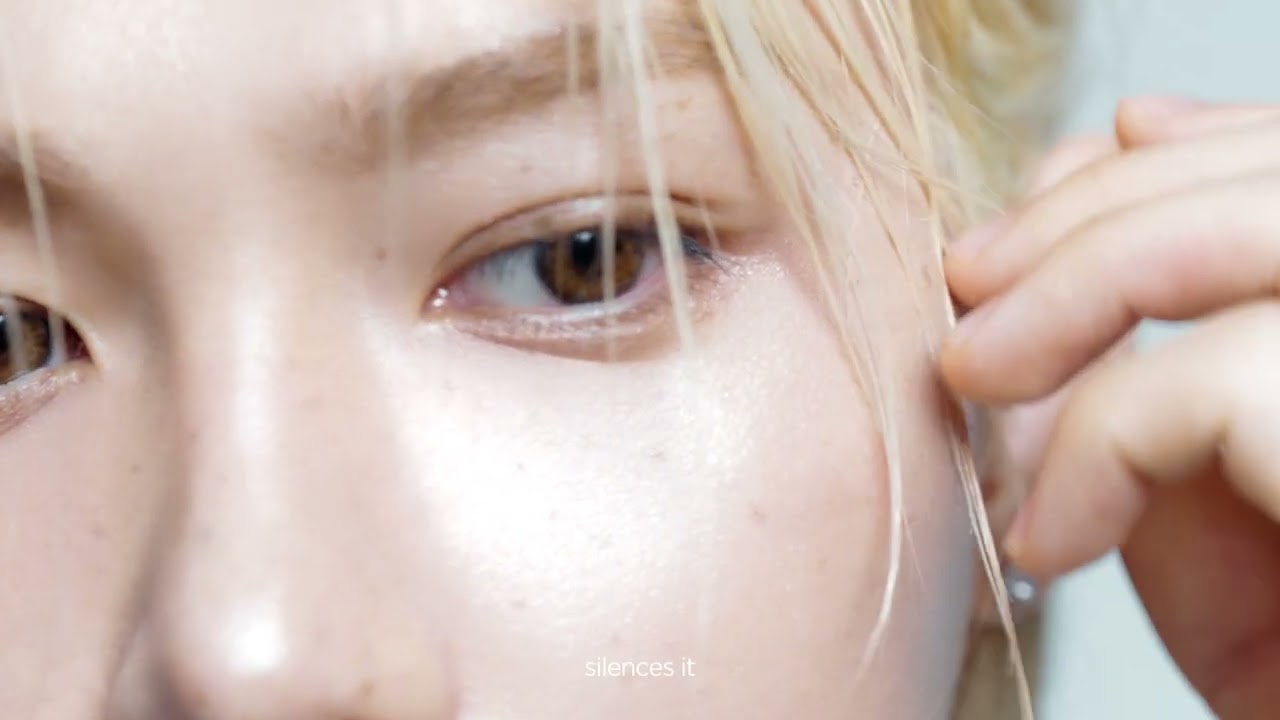
It is not heavy coverage, sculpted contouring, or dramatic liner. The look is precisely the opposite: dewy, moisturized, luminous skin that reads as effortless. The kind of skin you see on Felix of Stray Kids, who radiates it on every stage, in every campaign frame, in every close-up that circulates across social platforms within hours.
"I saw photos on social media of Korean male idols known for their glowing skin," said Shiyu Miyazaki, a sales professional at a tobacco manufacturer, speaking to the Mainichi Shimbun. "I focus on skin care, especially moisturizing, to achieve natural-looking skin like Korean male idols without it looking excessive."
Miyazaki went further. He restructured his diet, cutting greasy foods and alcohol, and traveled to Korea last year specifically for a beauty-focused trip. He is not an outlier. Cosmetics shops across Tokyo are reporting the same pattern: male customers arriving with photos of Korean idols on their phones, asking shop assistants to help them replicate the look.
Stores Are Noticing
"We are seeing more regular male customers these days," said Fumika Kusuda, manager of a cosmetics shop at Esola Ikebukuro in Tokyo's Toshima Ward, speaking to the Mainichi Shimbun. "Male customers who prefer natural-looking makeup want styles like those worn by Korean idols."
The Japanese lifestyle retail chain Loft added further context. "As gender neutrality spreads, men are now choosing cosmetics without hesitation," a spokesperson said, pointing to a 28-year-old male customer who had recently purchased Korean cosmetics. Loft framed the shift not as a novelty, but as a reflection of a broader cultural normalization of male grooming.
The survey data backs it. A 2024 study by Intage, a Japanese market research firm, found that roughly 60% of respondents viewed men wearing makeup positively. Fewer than 10% expressed negative opinions. Those numbers represent a decisive cultural reversal that would have been unimaginable in Japan a decade ago.
The Felix Effect
Brands are paying close attention. In August 2025, Amorepacific's contemporary beauty label HERA named Felix as its new global ambassador, making him the first male ambassador in the brand's history. The appointment was not just symbolic. HERA built its international strategy around it.
When the global campaign for the Reflection Skin Glow Line launched in late August 2025, HERA released it in Japan first, a deliberate signal that Japan was the brand's primary target market for this chapter. Felix's appointment also came with a product collaboration: Brownie Boy, a new lip color for the Sensual Nude Gloss line developed specifically with him in mind.
"Felix is a global icon whose singular mood and profound energy inspire a new wave of creativity worldwide," a HERA representative said in the official announcement from Amorepacific. The brand framed the partnership as an expansion of its Seoul Beauty philosophy, defined as urban elegance meeting daily life, into markets where K-pop has already cultivated deep cultural influence.
The Pandemic Catalyst
One factor rarely included in trend pieces about K-beauty and Japan: the pandemic. As remote work normalized video calls, Japanese men began seeing their own faces on screen far more frequently than before. That visibility, according to the Mainichi Shimbun, created a new self-consciousness around features like skin condition and eyebrow shape, and with it, a natural desire to refine them.
The timing aligned with an already-ascending K-beauty wave. Social media, particularly Instagram and TikTok, had been feeding Japanese audiences Korean idol aesthetics for years. The pandemic gave men a private moment to experiment, and K-beauty gave them the tools and the reference point.
Olive Young's Quiet Expansion
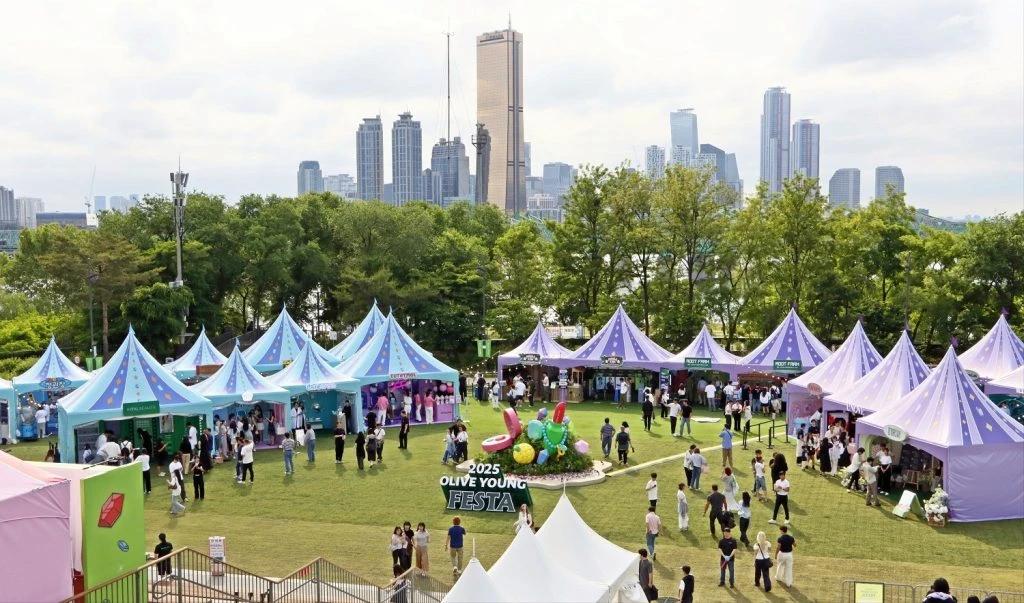
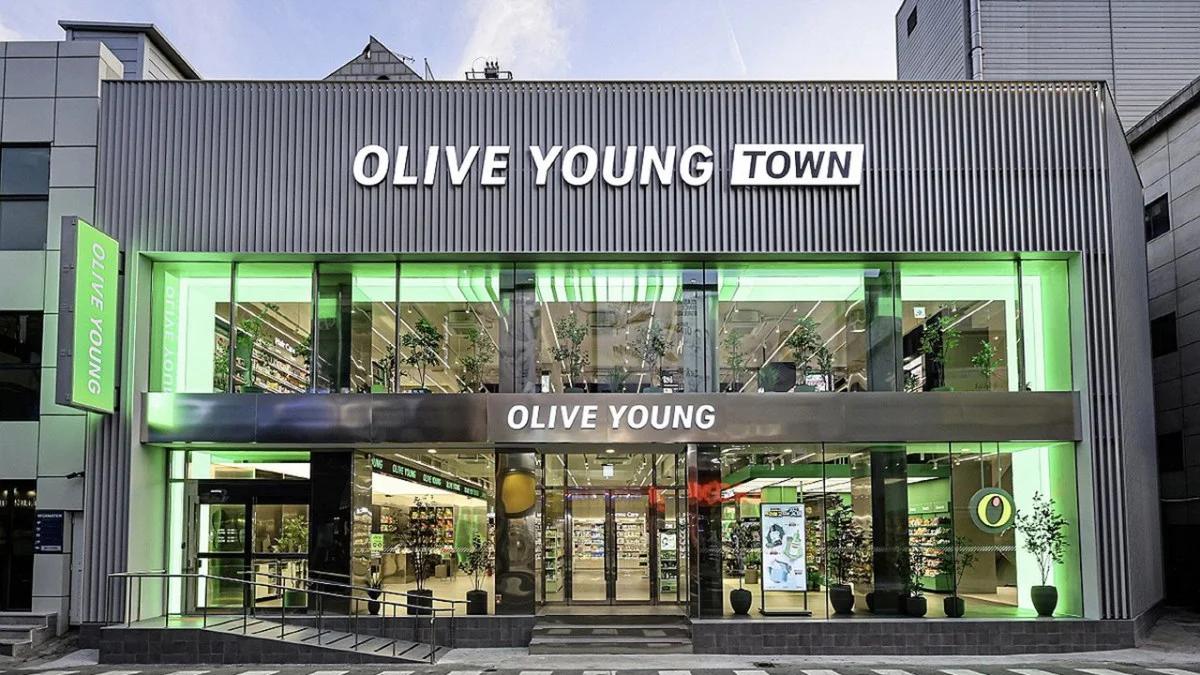
Behind the cultural story is a retail infrastructure story. Olive Young, the Korean beauty retail chain that functions as a one-stop destination for K-beauty products across skincare, makeup, and wellness, has been expanding aggressively as its international appeal grows. The chain's surge in new branches and employee hires in recent months tracks directly with K-beauty's continued momentum abroad.
K-beauty's dominance in Japan is not one product or one trend. It is an ecosystem, skincare philosophy meeting idol aesthetics meeting retail access, that has taken a decade to build and is now operating at full speed.
What This Means
The France comparison is worth sitting with. French beauty has been the global benchmark for prestige cosmetics for generations. The fact that Korea's market share in Japan now exceeds France's by more than 11 percentage points is not a minor statistical note. It is a structural shift in what premium beauty means to the world's third-largest economy.
Korean soft power, already proven through music and drama, has now moved into the most personal category of consumer behavior: how people present themselves every single day. The K-idol skin that Felix embodies in every campaign frame is not just an aesthetic. It is a global export, and Japan is buying it faster than anyone anticipated.