Share This Article
NCT's SM Exodus Is Here as Mark, Ten, and Taeyong Exit
Mark, Ten, and Taeyong all concluded their SM Entertainment contracts on April 8, 2026, turning NCT's long-running expansion model into its biggest real-world stress test yet.
April 8, 2026
NCT is entering its biggest contract rupture yet. On April 8, 2026, Mark, Ten, and Taeyong all concluded their exclusive contracts with SM Entertainment, splitting one of K-pop's most ambitious group systems in three different directions. Mark is leaving the NCT structure entirely, according to SM's April 3 Weverse statement, while SM said on April 6 that Ten and Taeyong will continue participating in group activities even after moving their solo careers outside the label. That difference is the whole story. This is not one clean breakup. It is a stress test for the NCT model itself, a system built to outlast individual contracts now facing the reality that some of its most visible members no longer want the same deal. For years, SM sold NCT as a structure bigger than any one lineup. April 8 is the first day that promise has looked genuinely shaky.
The departures matter because they expose three separate futures inside one brand. Mark's exit is a full severance from NCT, NCT 127, and NCT Dream, as confirmed by SM Entertainment's April 3 Weverse notice. Ten's move is closer to the Taemin playbook, with SM confirming in its April 6 artist notice that he will remain active in NCT and WayV while pursuing solo work elsewhere. Taeyong's arrangement lands in the same hybrid lane, with SM confirming in its separate April 6 notice that it will coordinate his future participation in NCT projects after his contract ends. Fans on Reddit and X have spent the week trying to decode what comes next, but the immediate takeaway is simpler: the so-called unlimited group is no longer operating under one center of gravity, and SM now has to prove the brand can survive without full contractual control of its biggest names.
Mark's departure is the cleanest break
Mark's April 8 contract conclusion is the sharpest structural blow because it removes one of NCT's core bridges across units. In our earlier coverage of Mark's exit, SM confirmed he would end all activities with NCT, NCT 127, and NCT Dream after nearly 10 years. According to SM's official statement, the label and Mark reached the decision after a long period of discussion about his future activities. That wording felt corporate, but the impact is personal for fans because Mark has functioned as one of the project's anchors since 2016. Take him out, and the multi-unit machine suddenly looks far less seamless than SM always sold it. His exit also removes one of the rare members casual listeners immediately associated with multiple NCT lineups at once.

Ten and Taeyong are testing a hybrid model
Ten and Taeyong are not leaving in the same way, and that distinction could shape how SM handles veteran acts from here. According to SM's April 6 notices on both artists, the company said Ten and Taeyong would conclude their exclusive contracts on April 8 while continuing coordinated group activities. That makes the source line explicit: this hybrid model comes from SM's own framing, not fan interpretation. In practical terms, the company is admitting that its artists can keep the group brand alive without keeping every part of their career in-house. That may be smart business, but it also weakens the old idea that SM's system was the indispensable engine behind every phase of NCT's output. It also gives other veteran idols a visible template to copy if they want more control without triggering a total group split.
The viral contract timeline made the panic bigger
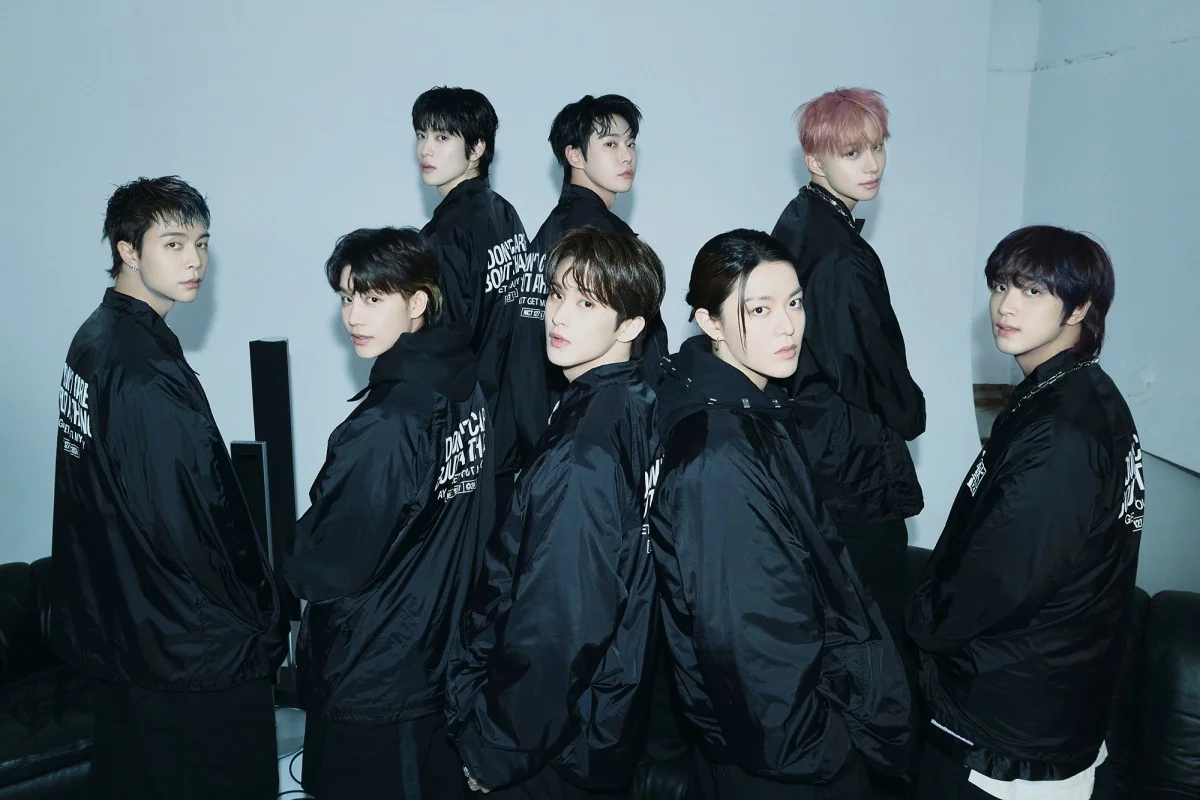
The contract panic did not start with official notices alone. It escalated because a widely shared member timeline, amplified by outlets like Koreaboo, convinced fans that more exits could hit before the year ends. The dates remain partly unconfirmed, and that caveat matters, but the broader fear is easy to understand. Once Mark left completely and Ten plus Taeyong chose hybrid arrangements on the same date, every remaining timeline suddenly looked more believable. The pattern also fits SM Entertainment's long history of keeping group brands alive while individual members recut the business terms around them. What feels different here is scale. NCT was supposed to be the post-departure-proof version of a boy group. This week proved the concept is durable, but not invincible.
What NCT and SM look like after April 8
NCT's future now depends on whether fans accept a looser federation instead of a tightly managed in-house empire. Mark's exit strips the brand of one of its defining all-rounders. Ten and Taeyong staying attached to group promotions gives SM a softer landing, but it also signals that the company's grip on superstar talent is not what it used to be. That is why this story matters beyond fandom shock. It is a referendum on the NCT experiment and on SM's ability to keep veteran idols inside a traditional label structure. If more members follow in the coming months, April 8 will look less like a bad news cycle and more like the day NCT's original business model officially cracked. SM's own split messaging around Mark versus Ten and Taeyong is what makes that conclusion hard to dismiss.